TOPDECK
New member
*Warning* Not for the “TLDR” crowd.
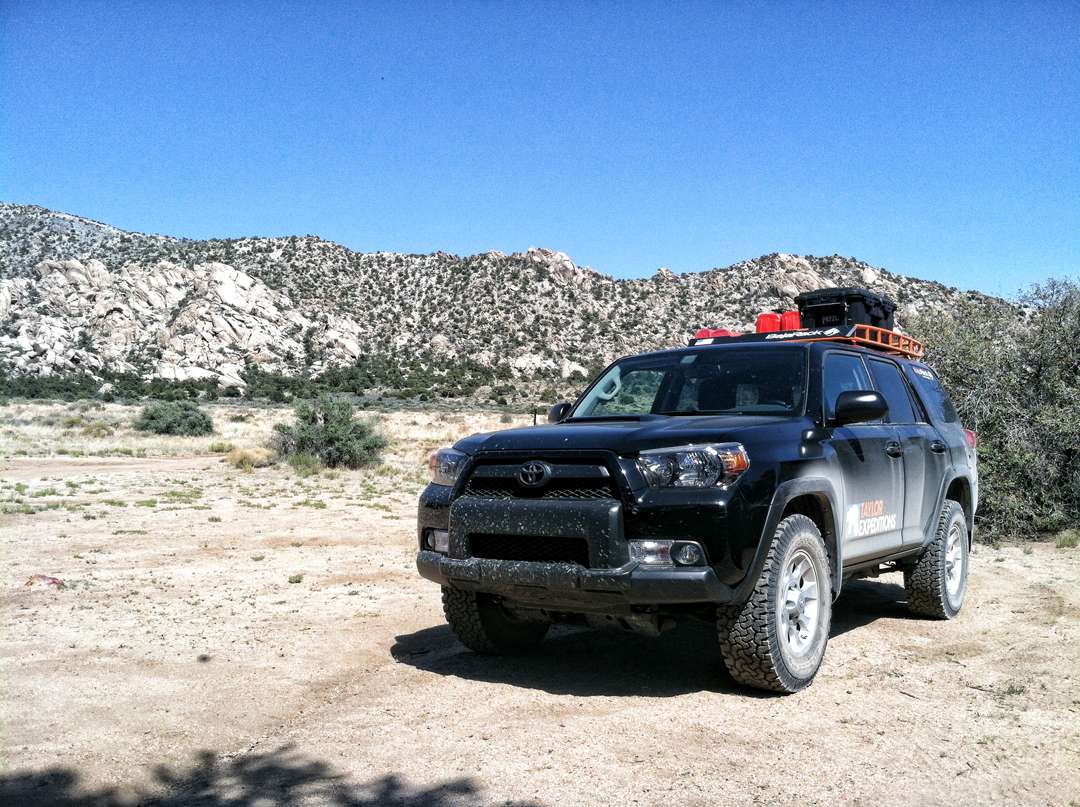
I am deciding to post this here instead of the general off-road forum because all though this thread is about mostly off-roading and overland travel I think it might also prove to be a testament to those seeking to purchase a 5th Gen 4Runner.
A few months ago Taylor Expeditions expressed our interest in guiding off-road, hiking, camping, climbing, and historical / archeological tours and expeditions within the Mojave Desert to Dennis Casebier. Dennis, a historian and author of 30+ books on the subject of the Mojave Desert, is also the re-discoverer of The Mojave Road and made it possible for people to travel and learn about its rich history. Dennis began running guided tours 3 or 4 times a year back in the late 1970's and early 80's, and it is one of our goals to pick up where Dennis has left off in that respect. No one has done this kind of thing in a very long time, and that is simply because there is no one except Dennis that could do it.
When we expressed our interest to Dennis, he was very enthusiastic and agreed to help us. The first step was for us to take him over the road and he would dictate the history and stories to us and a few accompanying vehicles and he would allow us to record it and transcribe it for our exclusive use. In addition he would be coaching me on how to guide people over the road. Something that he has never done before.
Over the last 4 days we did just that.
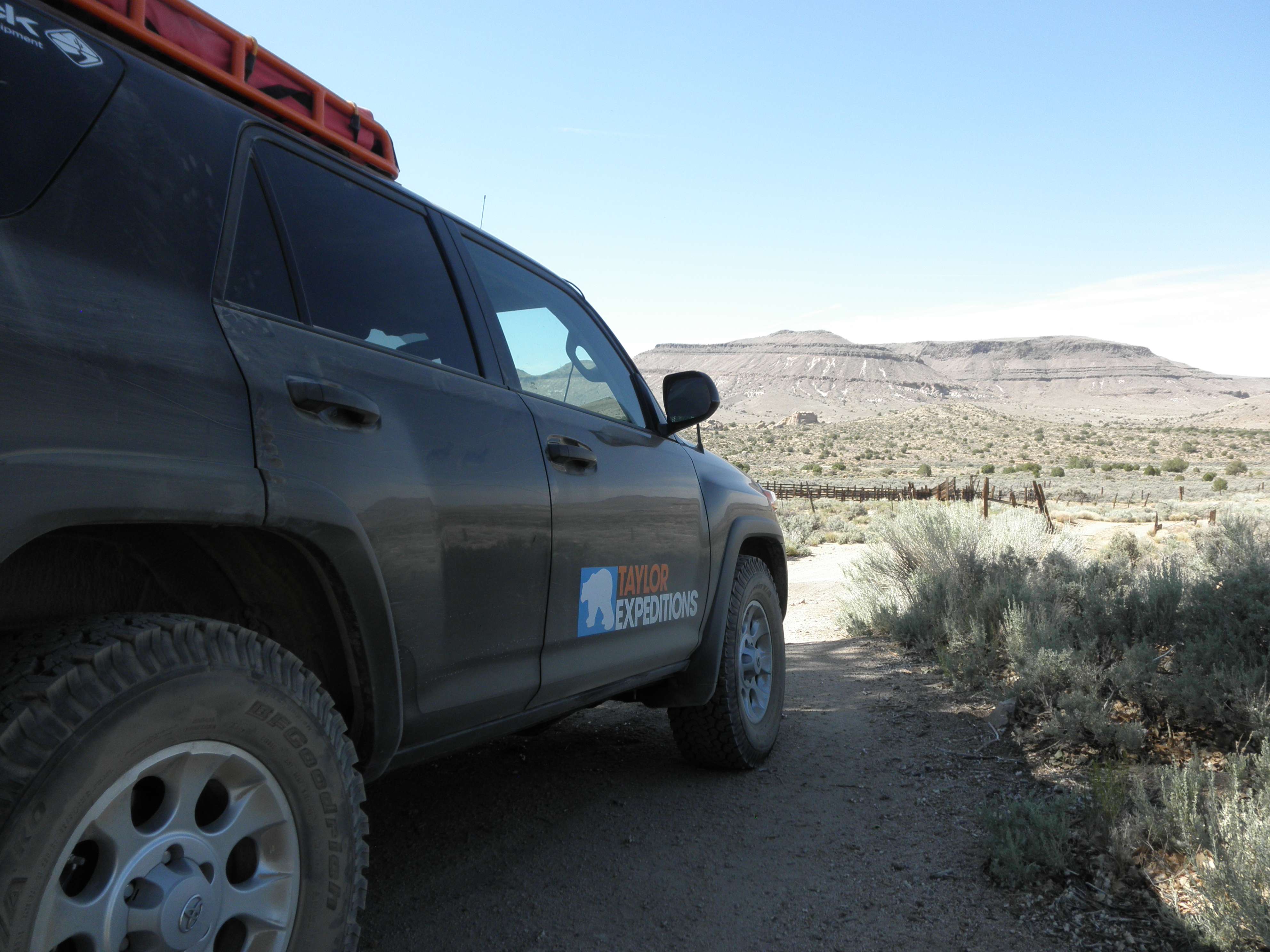
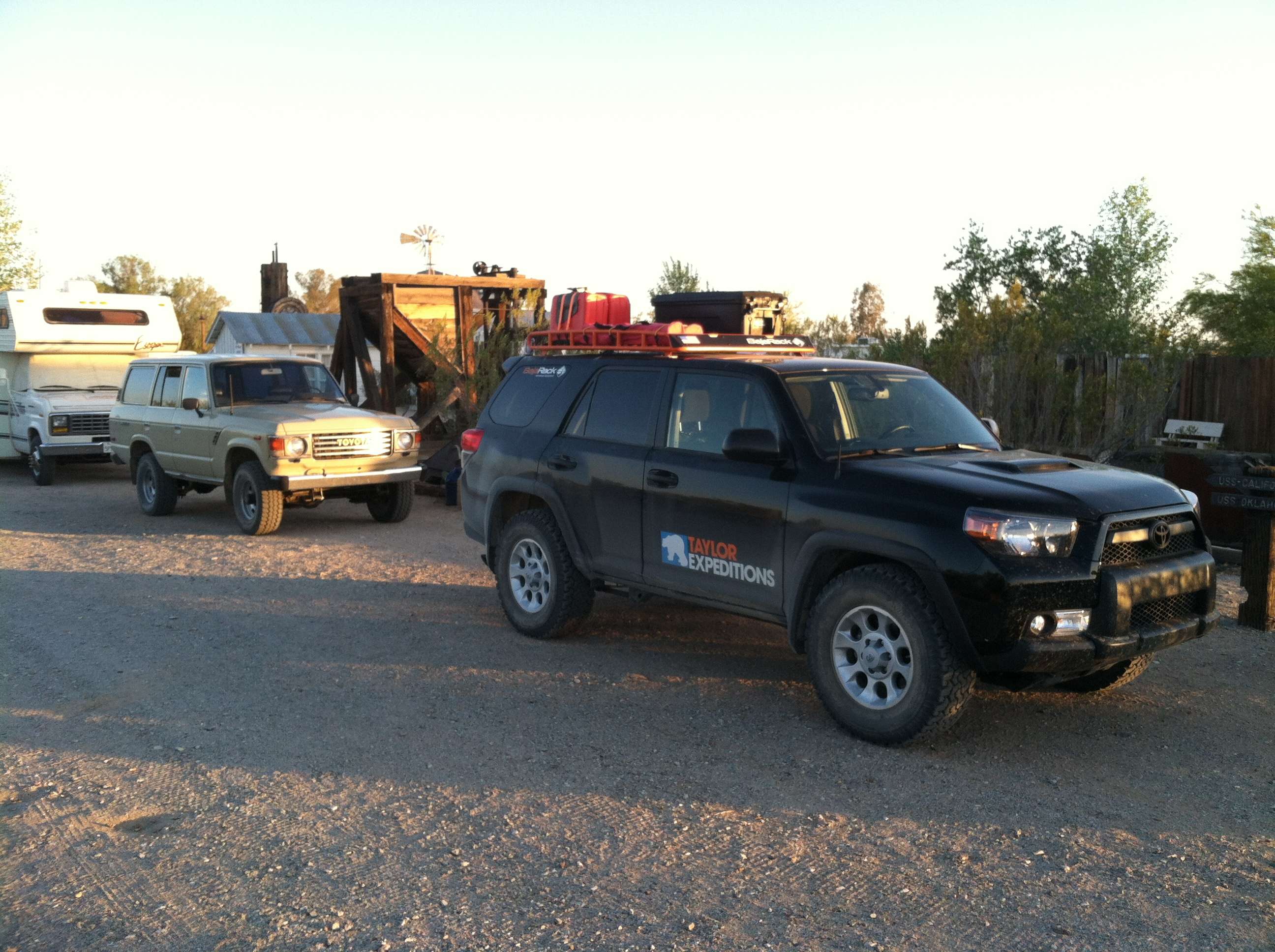
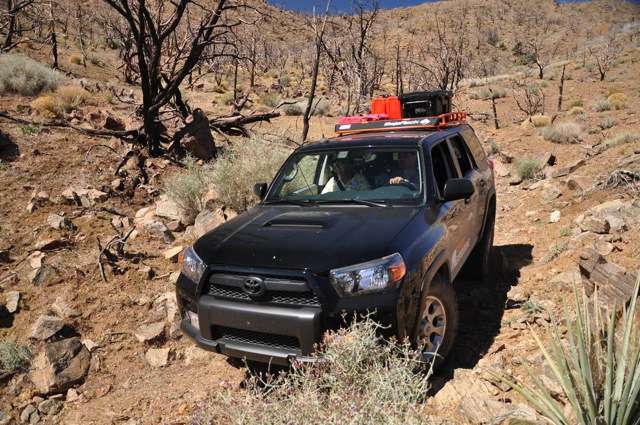
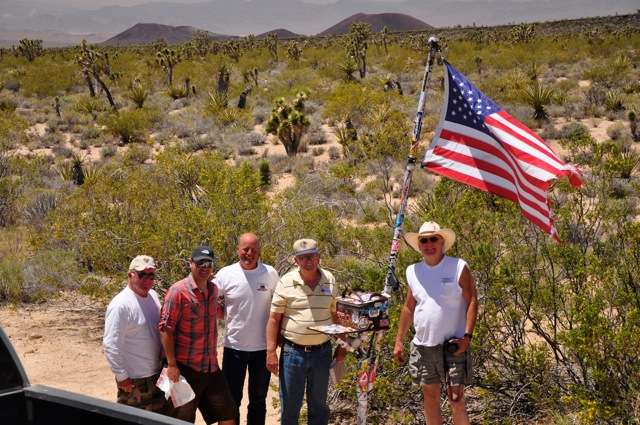
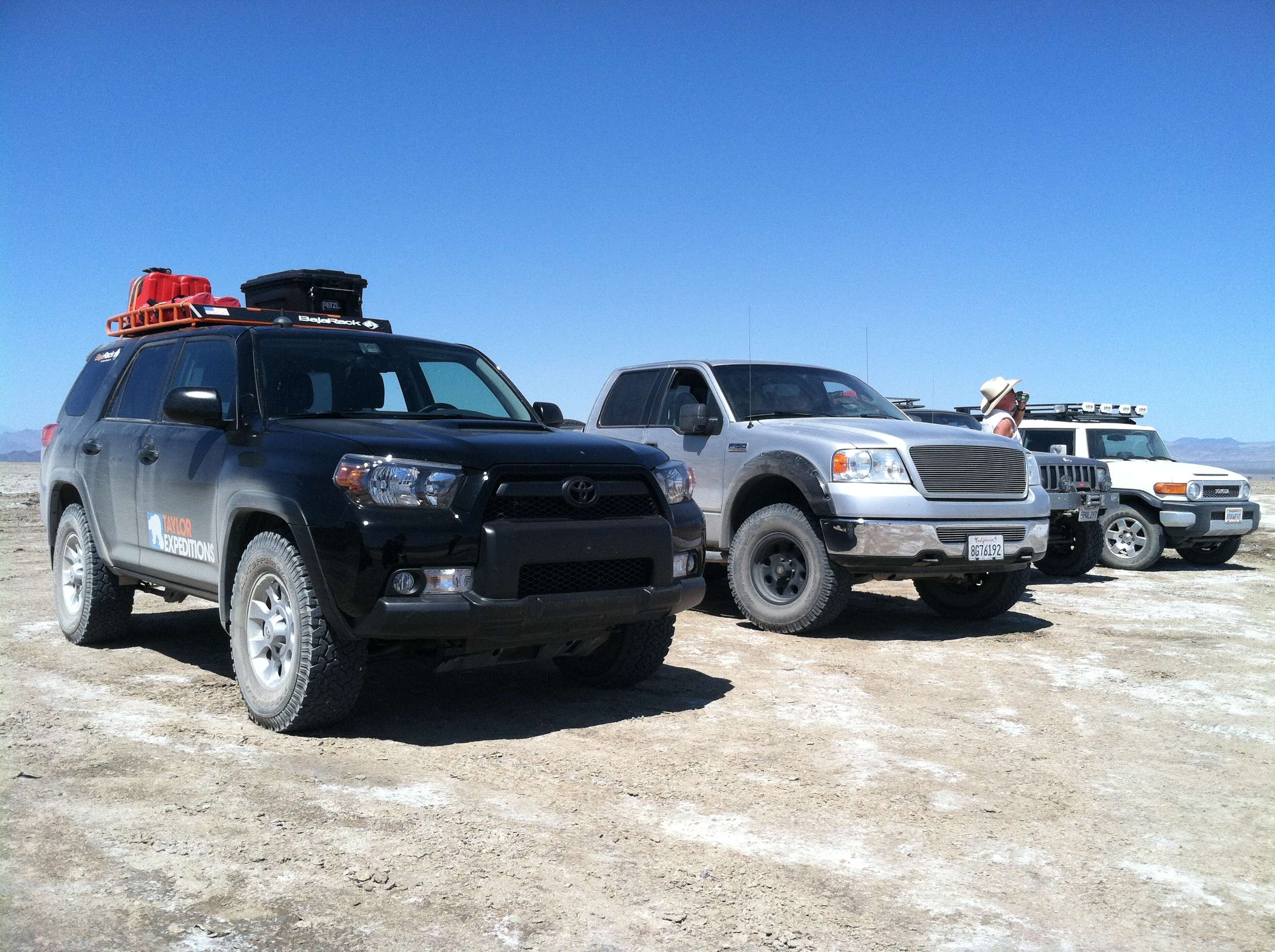
We were accompanied by two amateur historians, Mike and Chris and the owners of The Mojave Desert Outpost campground Jerry and Neil. Riding in the 4runner was Dennis up front with my dad working the recorder in the rear. I drove.
For those unfamiliar: (From Wikipedia to save time ) A traditional thoroughfare of desert-dwelling Native Americans, the road much later served Spanish missionaries, explorers, and foreign colonizers and settlers from the 18th to 19th centuries, and ran between watering holes across the Mojave Desert between the Colorado River and San Bernardino Mountains in Southern California.[1][2] The watering holes recur at intervals of about 60 to 70 miles.[3] The trail is 138 miles (222 km) long and usually requires 2 or 3 days to travel.
Francisco Garcés, the Spanish Franciscan missionary, traveled the trail with the expedition of Juan Bautista de Anza in 1776. José María de Zalvidea, the zealous Franciscan administrator of Mission San Gabriel also crossed the trail in 1806, reportedly converting five indigenous Mohave Native Americans near present-day Hesperia. In 1826, Jedediah Smith became the first American to travel the Mojave Road from Utah to California.
The land passed to American hands in 1848, and the trail came under the purview of the U.S. government. Army posts were established at Fort Mojave in 1859 and at Camp Cady in 1860, with smaller outposts along the trail and regular patrols. The army protected the settlers and travelers from the territorial attacks of the resident Paiute, Mojave and Chemehuevi Native Americans. This also opened the way for agricultural development in the Victor Valley area.
The eastern end of the Mojave Road begins at the edge of the Colorado River north of Needles, California and the western terminus lies beyond the Rasor Off-Highway Vehicle Area and the Afton Canyon Natural Area near the Manix Wash.
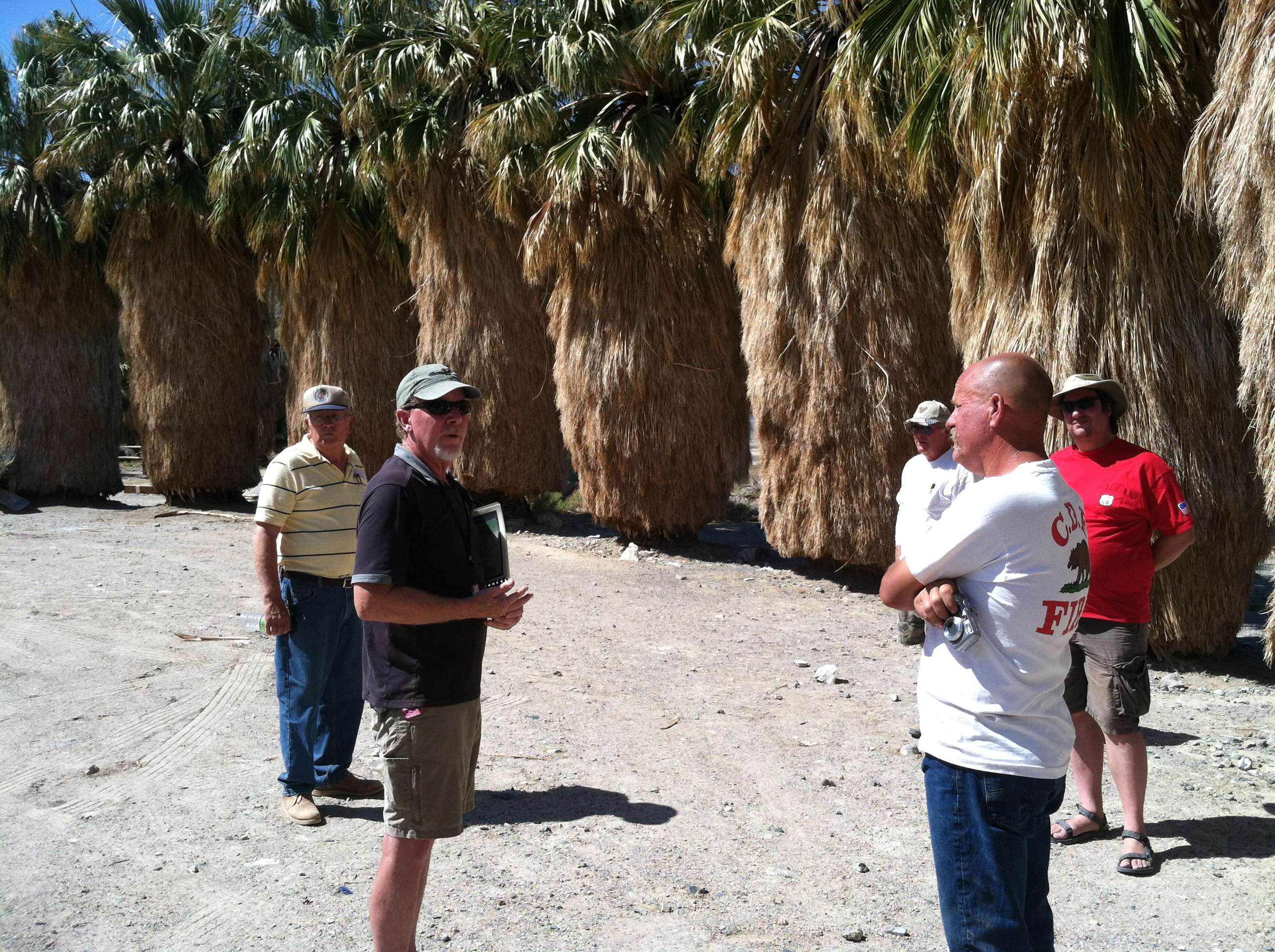
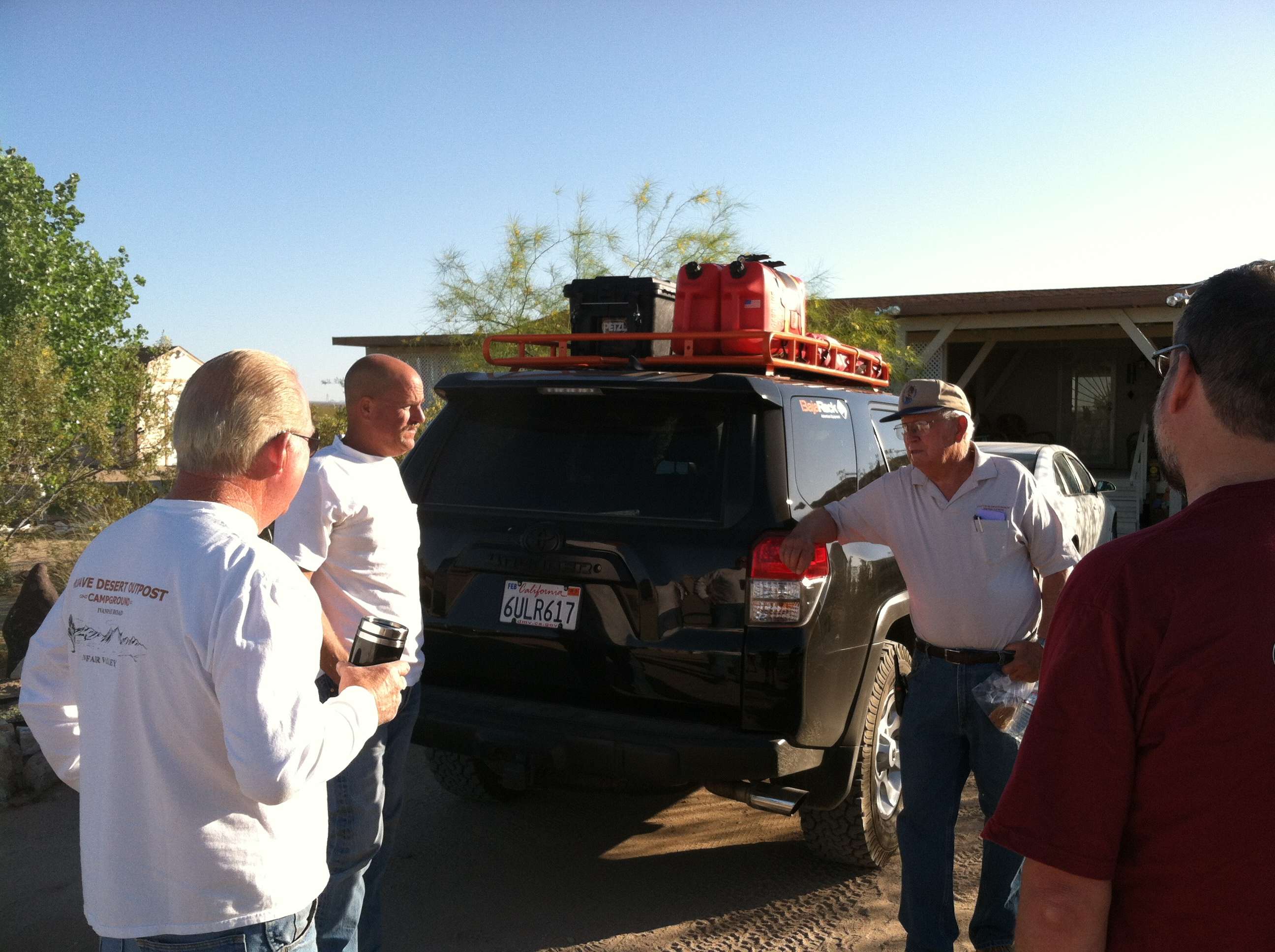
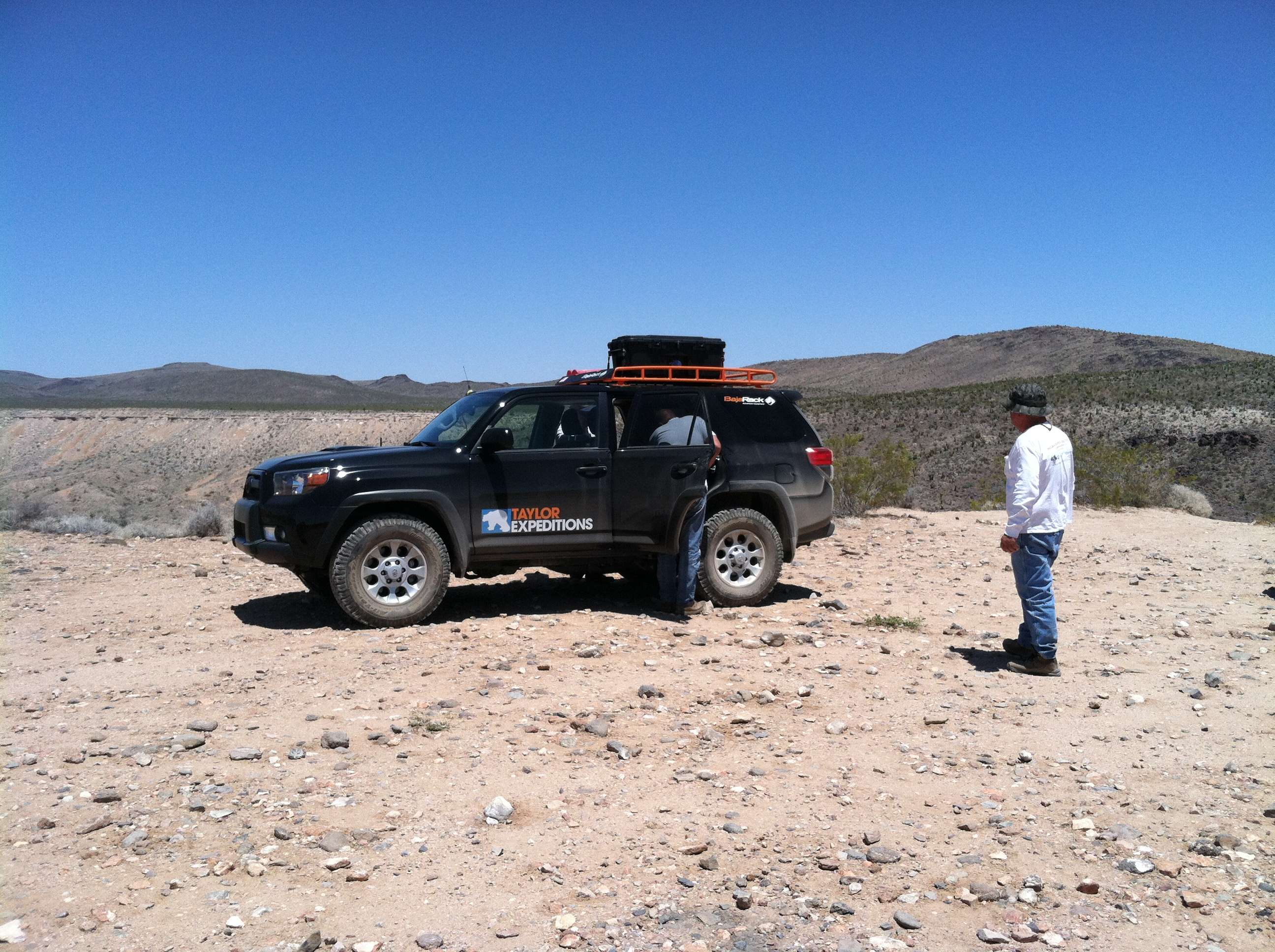
Dennis leading the per-departure meeting. With his age being what it is, this could be the last time he goes down the road. And, he did so in a 5th Gen Toyota 4Runner.
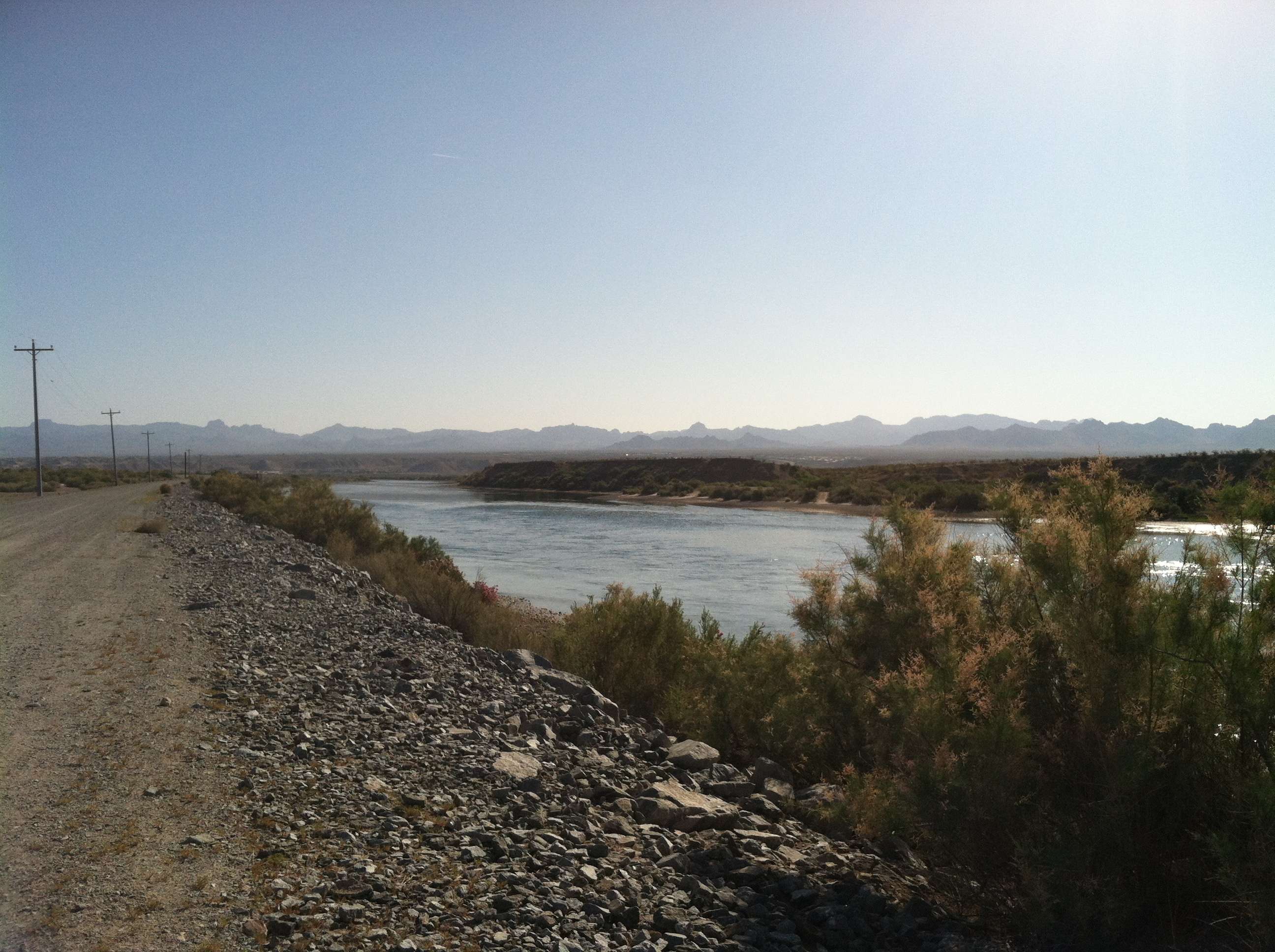
Looking over the river to the ruins of Fort Mojave:
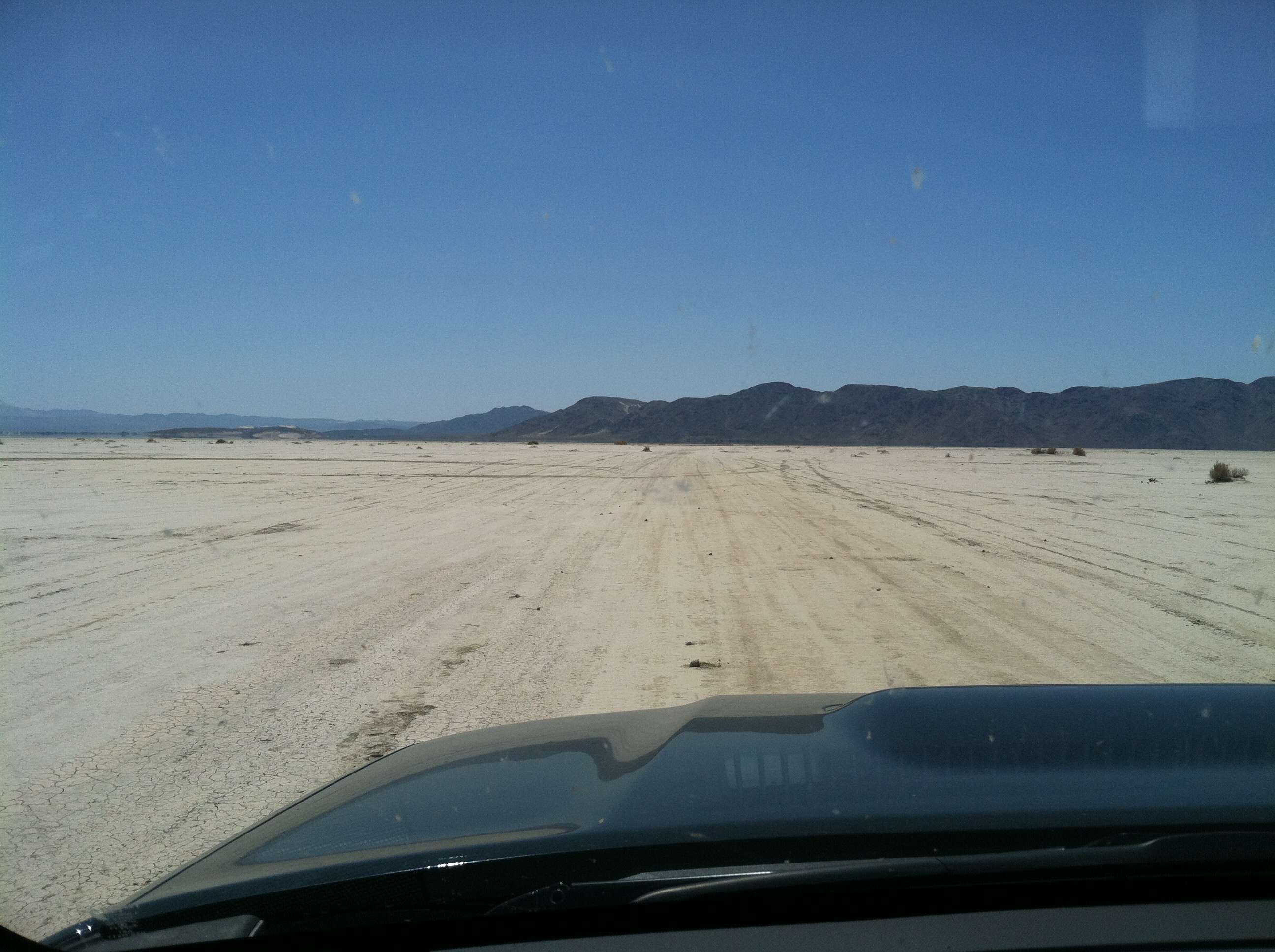
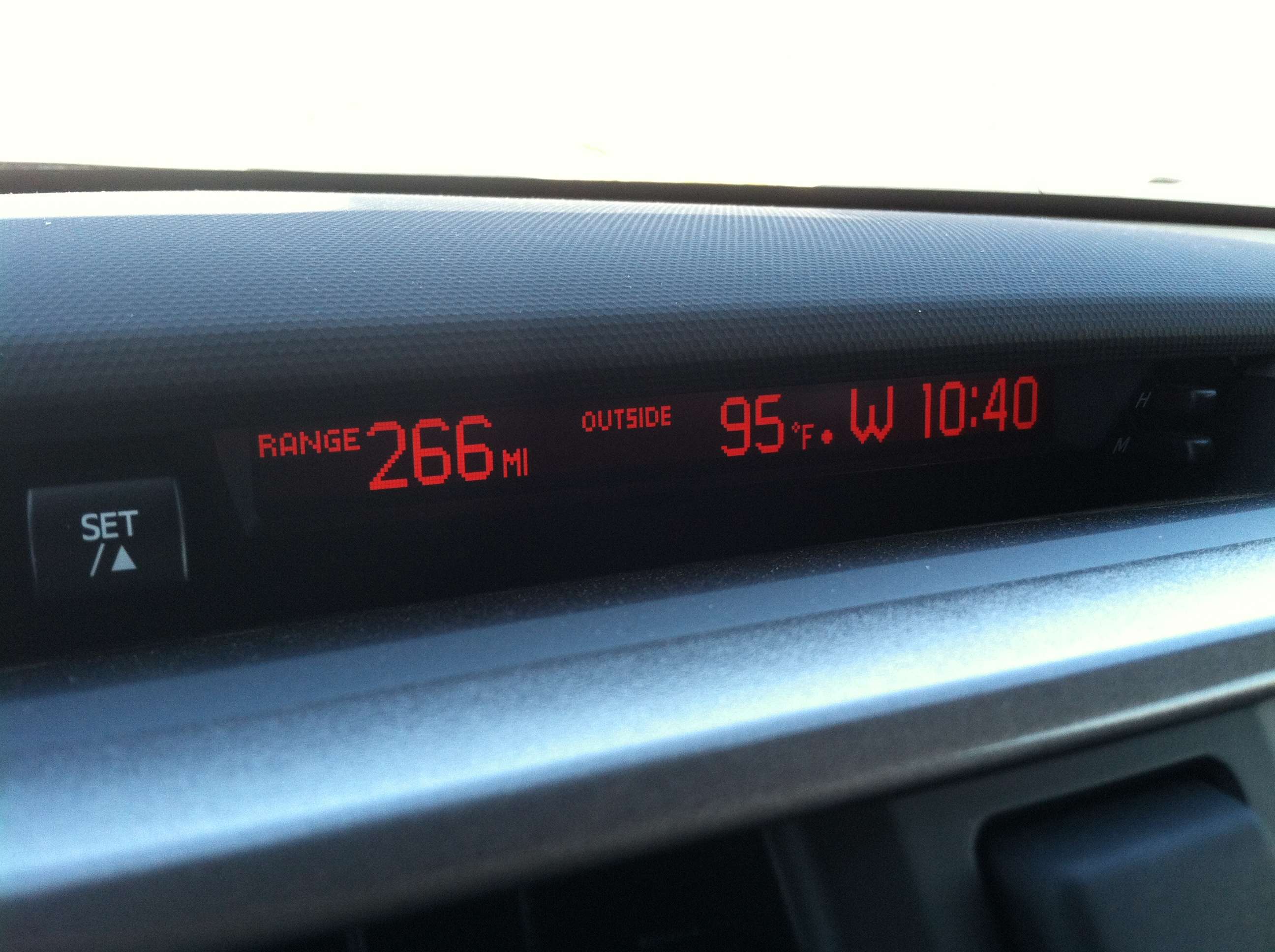
It was a hot morning, and it only got hotter:
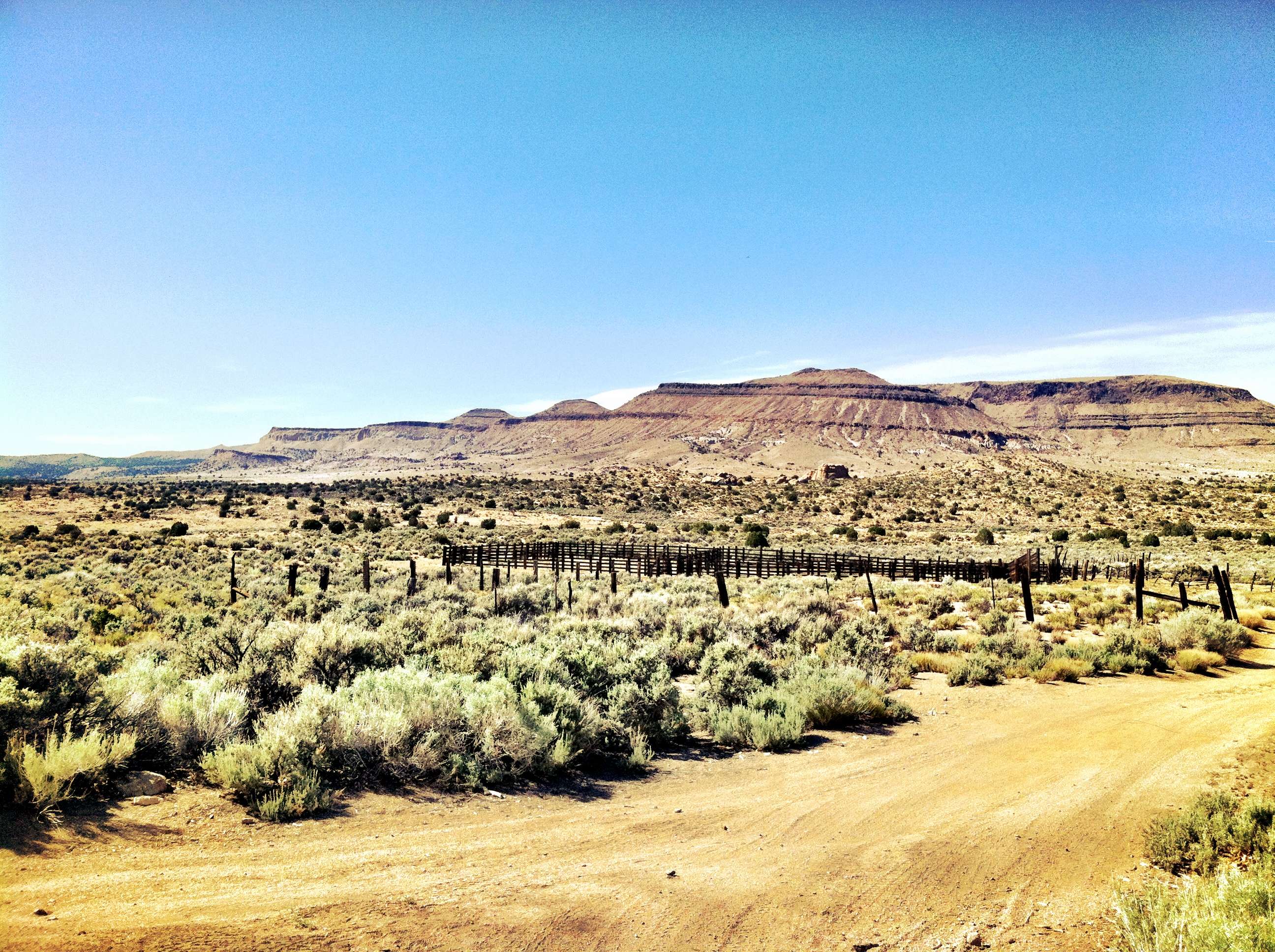
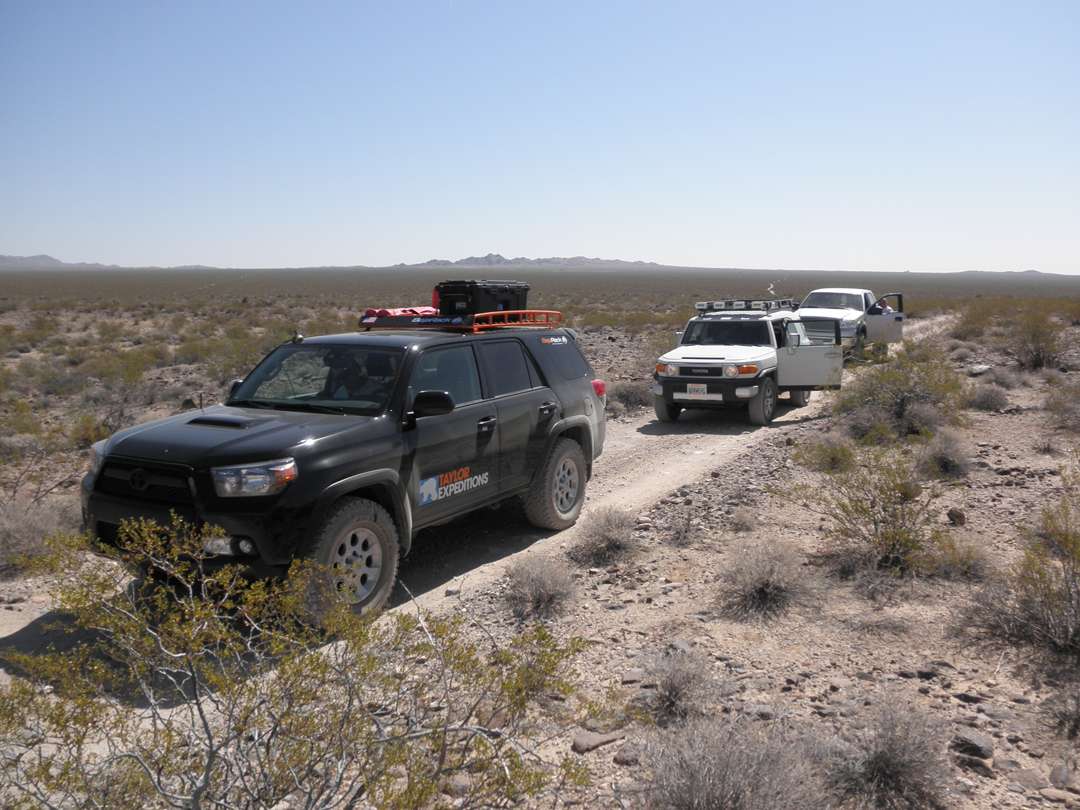
On our way to Fort Piute:
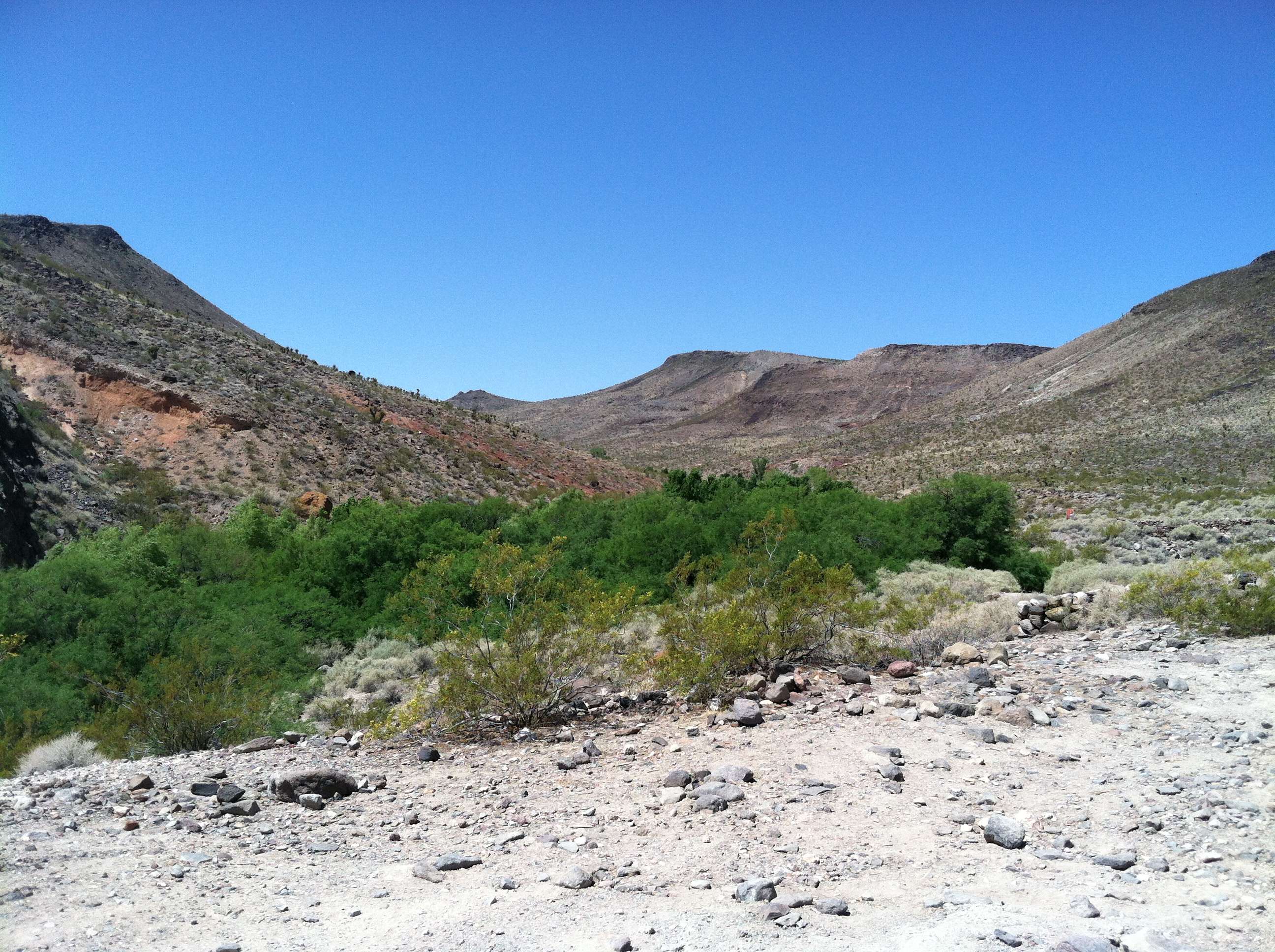
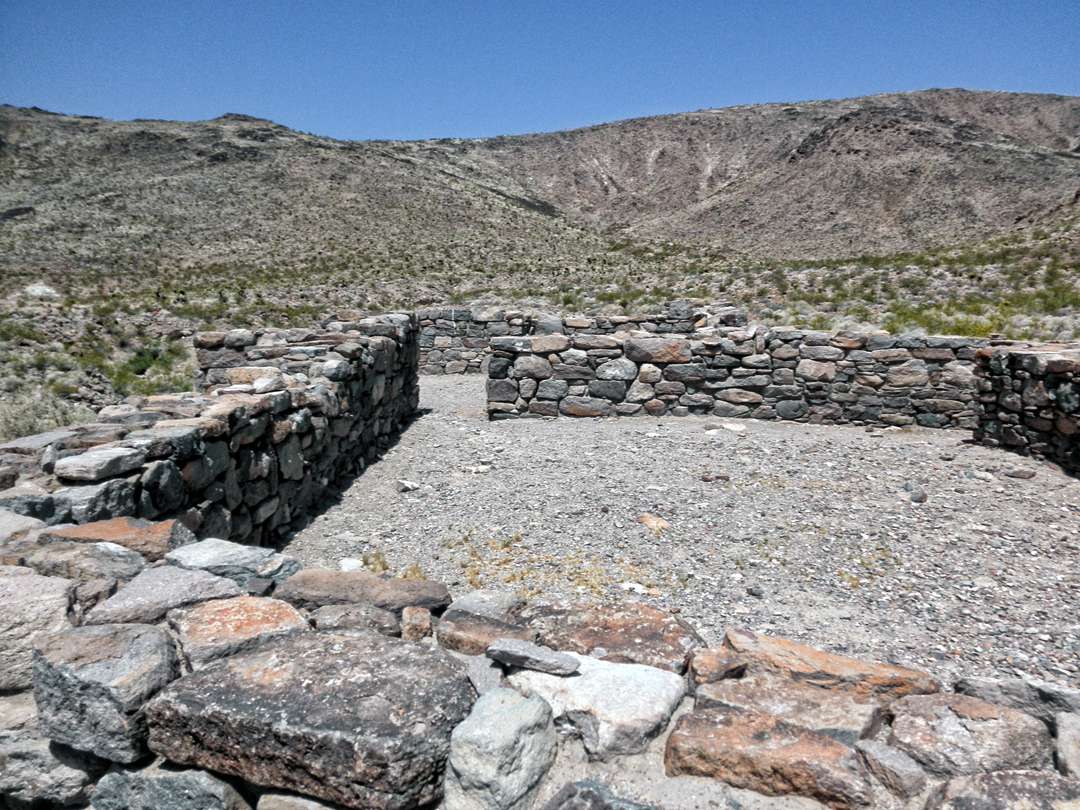
Ruins of Fort Piute:
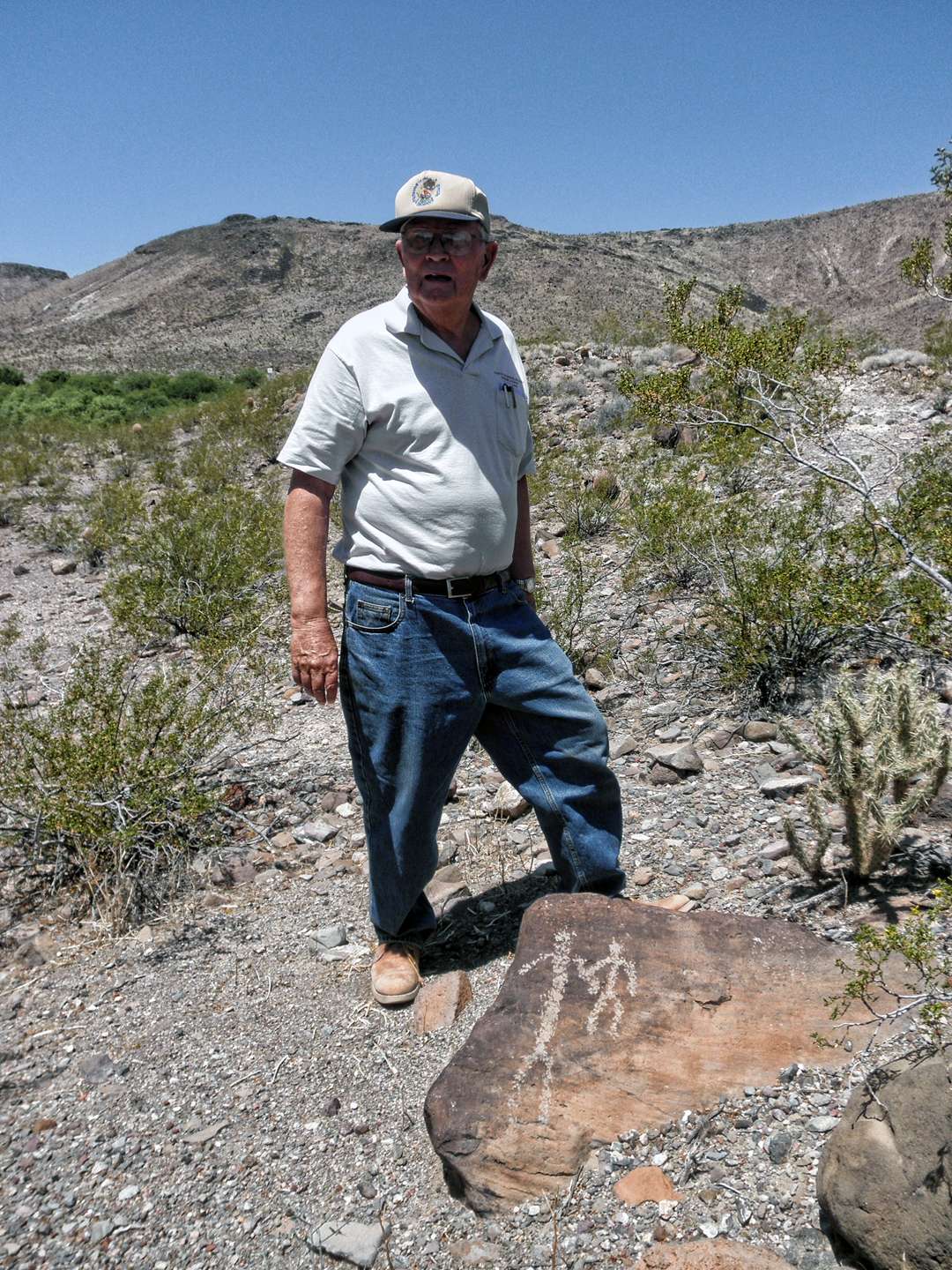
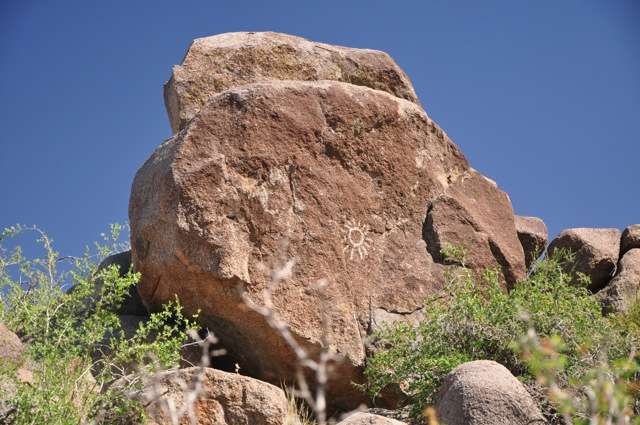
There are hundreds of petroglyphs at Fort Piute, but this is Dennis' favorite one in all the Mojave. We searched high and low for about 45 minutes to find it for him.
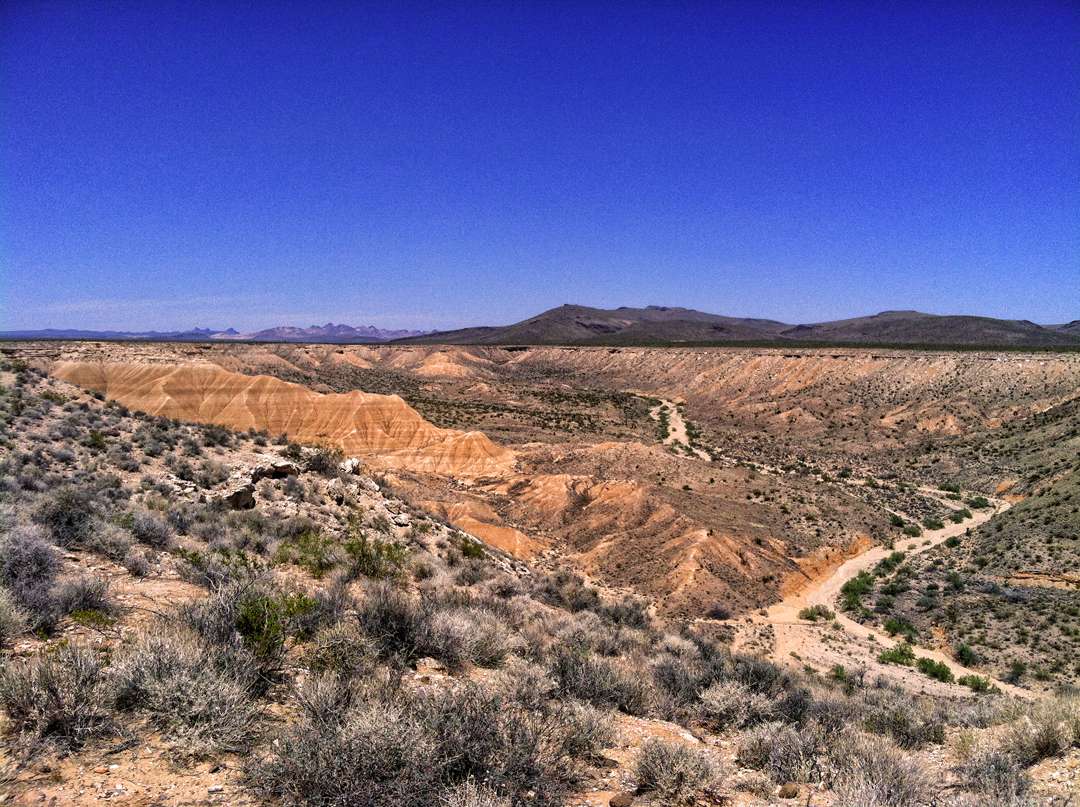
Our little lunch break at the top of the Piute Mountains, and at the edge of Piute Gorge.
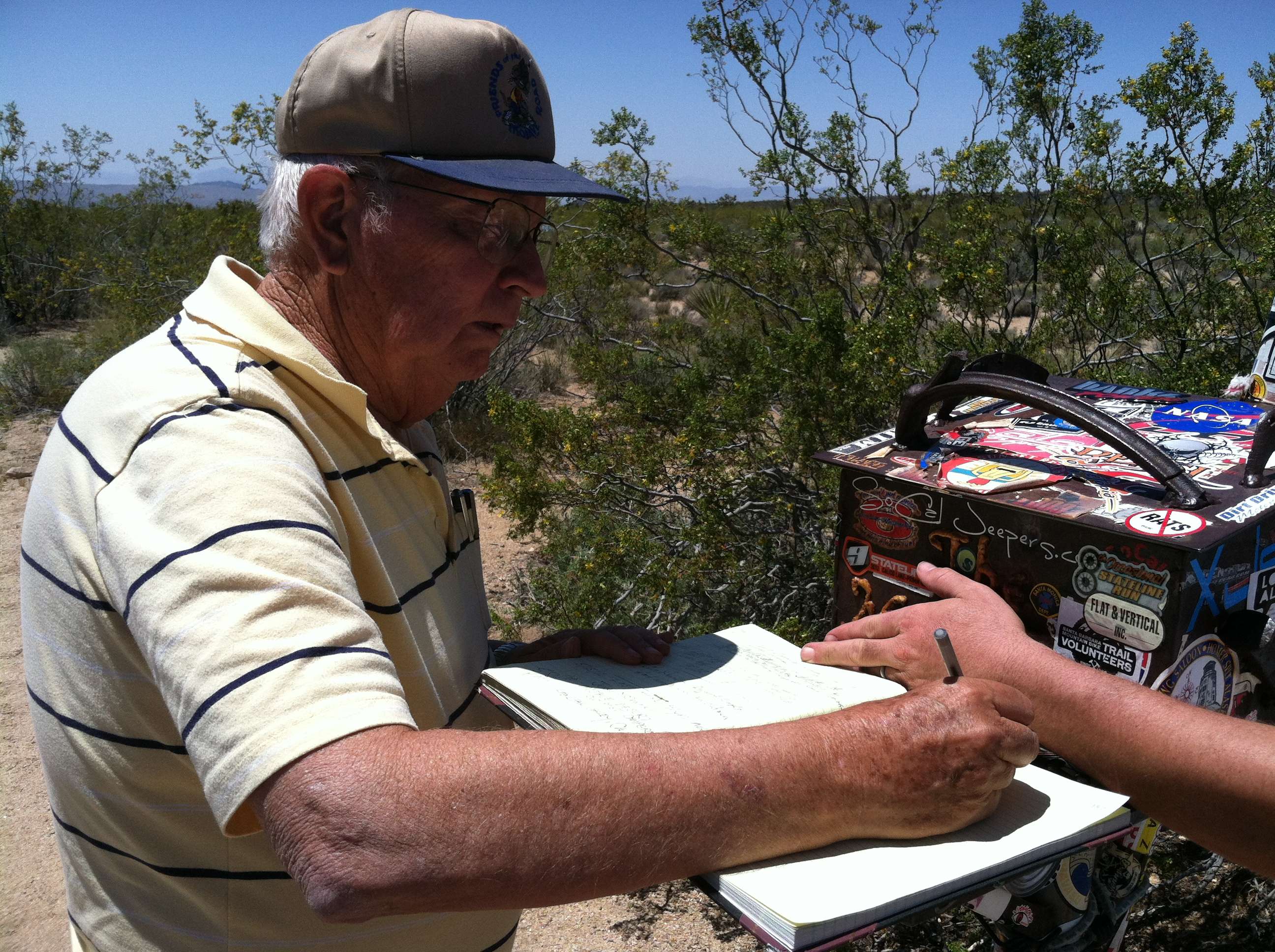
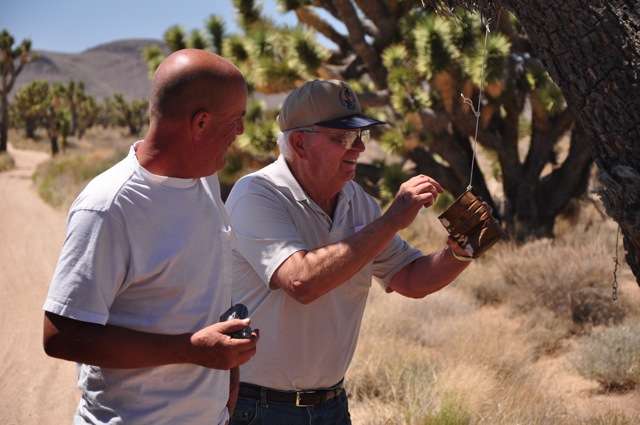
Dennis putting some change into the Mojave Penny Cup. (Photo: Michael Kindig)
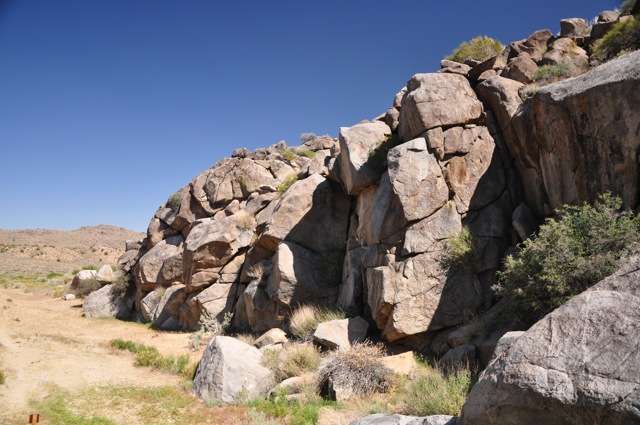
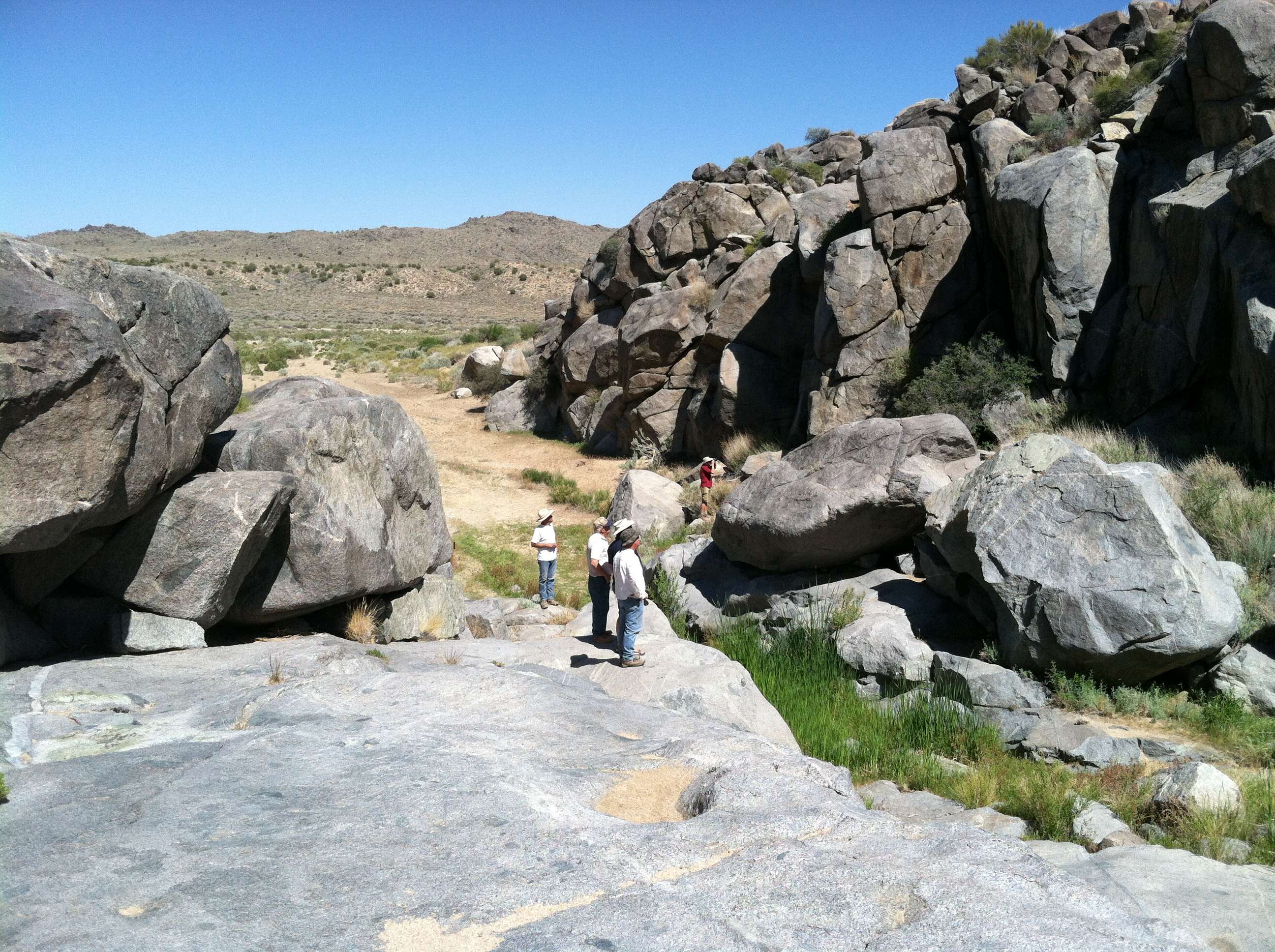
Camp Rock Spring: (Rock Spring photos by Michael Kindig
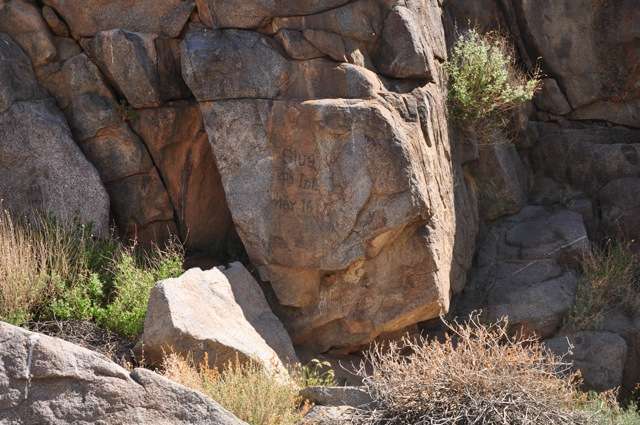
US Army soldiers left their mark while stationed here in the late 1860's
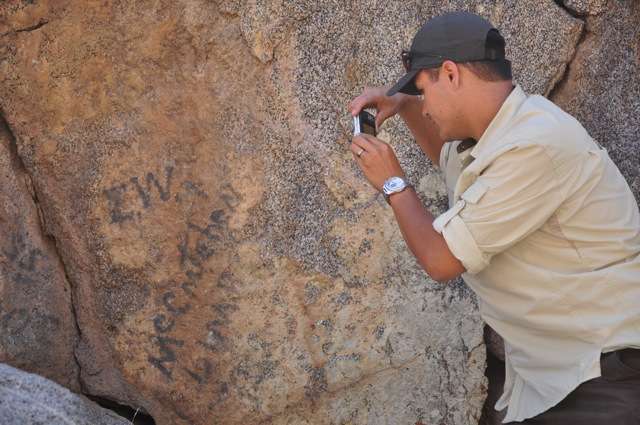
And of course prehistoric people and Native Americans did as well:
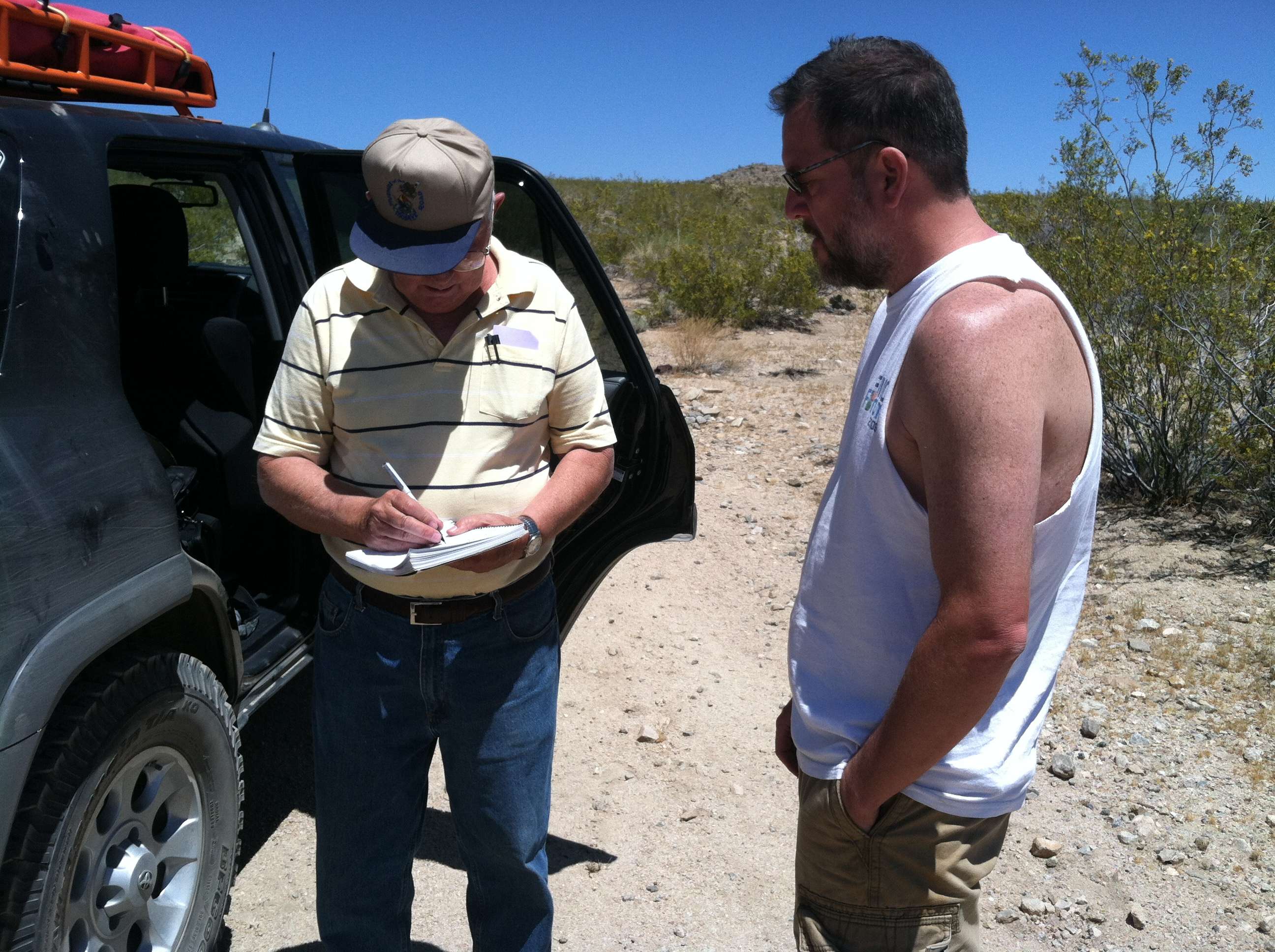
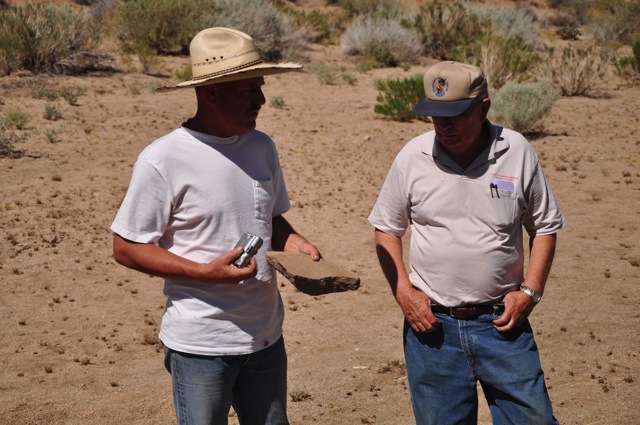
My dad discussing a broken matate (Native American grinding stone) with Dennis:
I am deciding to post this here instead of the general off-road forum because all though this thread is about mostly off-roading and overland travel I think it might also prove to be a testament to those seeking to purchase a 5th Gen 4Runner.
A few months ago Taylor Expeditions expressed our interest in guiding off-road, hiking, camping, climbing, and historical / archeological tours and expeditions within the Mojave Desert to Dennis Casebier. Dennis, a historian and author of 30+ books on the subject of the Mojave Desert, is also the re-discoverer of The Mojave Road and made it possible for people to travel and learn about its rich history. Dennis began running guided tours 3 or 4 times a year back in the late 1970's and early 80's, and it is one of our goals to pick up where Dennis has left off in that respect. No one has done this kind of thing in a very long time, and that is simply because there is no one except Dennis that could do it.
When we expressed our interest to Dennis, he was very enthusiastic and agreed to help us. The first step was for us to take him over the road and he would dictate the history and stories to us and a few accompanying vehicles and he would allow us to record it and transcribe it for our exclusive use. In addition he would be coaching me on how to guide people over the road. Something that he has never done before.
Over the last 4 days we did just that.
We were accompanied by two amateur historians, Mike and Chris and the owners of The Mojave Desert Outpost campground Jerry and Neil. Riding in the 4runner was Dennis up front with my dad working the recorder in the rear. I drove.
For those unfamiliar: (From Wikipedia to save time
) A traditional thoroughfare of desert-dwelling Native Americans, the road much later served Spanish missionaries, explorers, and foreign colonizers and settlers from the 18th to 19th centuries, and ran between watering holes across the Mojave Desert between the Colorado River and San Bernardino Mountains in Southern California.[1][2] The watering holes recur at intervals of about 60 to 70 miles.[3] The trail is 138 miles (222 km) long and usually requires 2 or 3 days to travel.Francisco Garcés, the Spanish Franciscan missionary, traveled the trail with the expedition of Juan Bautista de Anza in 1776. José María de Zalvidea, the zealous Franciscan administrator of Mission San Gabriel also crossed the trail in 1806, reportedly converting five indigenous Mohave Native Americans near present-day Hesperia. In 1826, Jedediah Smith became the first American to travel the Mojave Road from Utah to California.
The land passed to American hands in 1848, and the trail came under the purview of the U.S. government. Army posts were established at Fort Mojave in 1859 and at Camp Cady in 1860, with smaller outposts along the trail and regular patrols. The army protected the settlers and travelers from the territorial attacks of the resident Paiute, Mojave and Chemehuevi Native Americans. This also opened the way for agricultural development in the Victor Valley area.
The eastern end of the Mojave Road begins at the edge of the Colorado River north of Needles, California and the western terminus lies beyond the Rasor Off-Highway Vehicle Area and the Afton Canyon Natural Area near the Manix Wash.
Dennis leading the per-departure meeting. With his age being what it is, this could be the last time he goes down the road. And, he did so in a 5th Gen Toyota 4Runner.
Looking over the river to the ruins of Fort Mojave:
It was a hot morning, and it only got hotter:
On our way to Fort Piute:
Ruins of Fort Piute:
There are hundreds of petroglyphs at Fort Piute, but this is Dennis' favorite one in all the Mojave. We searched high and low for about 45 minutes to find it for him.
Our little lunch break at the top of the Piute Mountains, and at the edge of Piute Gorge.
Dennis putting some change into the Mojave Penny Cup. (Photo: Michael Kindig)
Camp Rock Spring: (Rock Spring photos by Michael Kindig
US Army soldiers left their mark while stationed here in the late 1860's
And of course prehistoric people and Native Americans did as well:
My dad discussing a broken matate (Native American grinding stone) with Dennis:
Last edited: