Oil viscosity

:banana::hail::hail:

Bingo!

But, The trifecta can be made much more bettererer by adding in ZMAX and Motor Up.

I think the trifecta would be too bettererererere for this engine. VTEC will kick in too hard and shatter the block. The 3VZ-E would have been able to handle it but Toyota foolishly took that engine out of production.
 
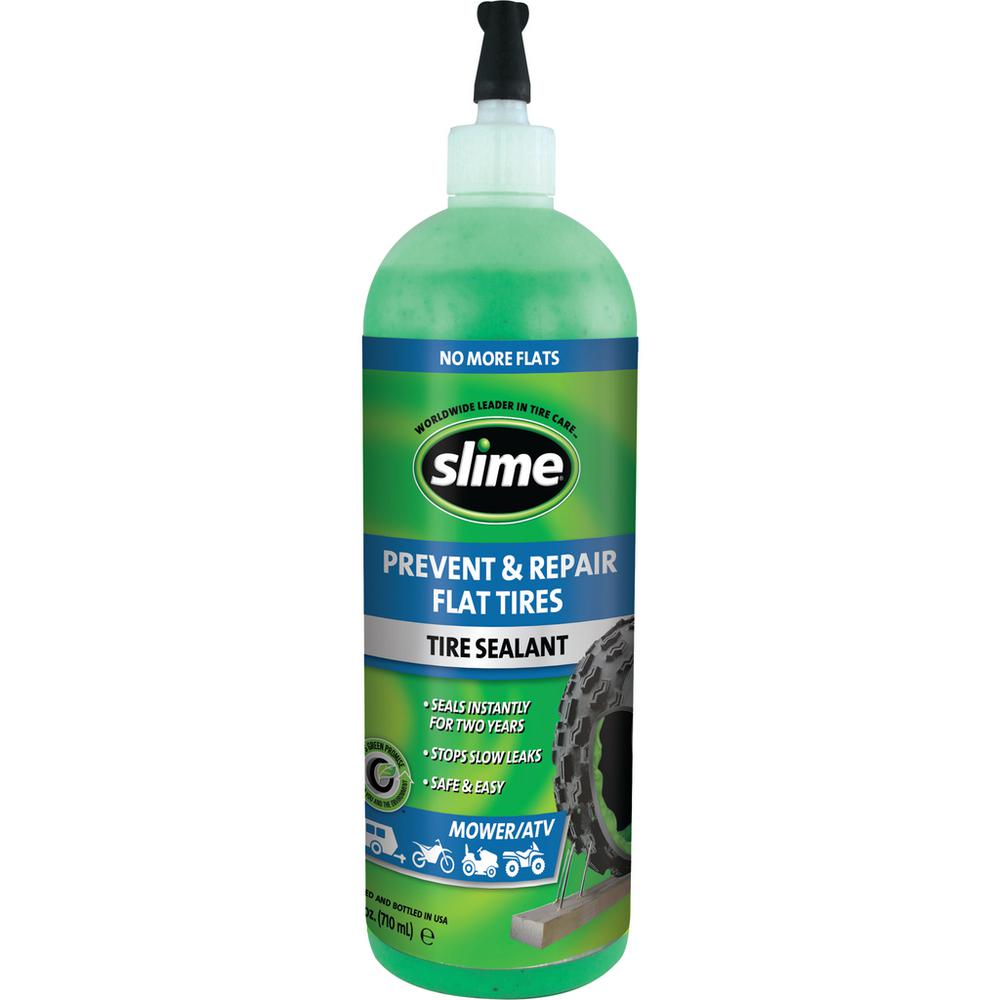
I should patent a SLUG SLIME engine additive.
Might be TOO slick though. :tinfoil3:
Use it everywhere there is a fluid, and you can get 400MPG!


slime-tire-sealants-10008-64_1000.jpg
 
YES! :whipping2

I have 9 Toyotas in the fleet now. The "youngest" has 170k miles on it and is rarely driven these days.
I use 5W40 in everything.
Been doing so since the very first oil change on each.
They ONLY see the dealer if it is recall/warranty work.

Considering the nature of how this thread has gone, I had to verify the 5w-40 statement.
 
Considering the nature of how this thread has gone, I had to verify the 5w-40 statement.

If they care to know, I use Redline exclusively.

SN/SM/SL/SJ/SH/SG
(I DO NOT suggest anyone follow this. It can mess up cat-cons if you burn oil)

The Lexus LFA now calls for 0-40.
 
We need a Blackstone Oil Analysis (TM) then someone to reply "very interesting" but without explaining why.

Yeah, there are plenty of OCDers here that do frequent used oil analyses and track them. If anyone has ever reported that 0W-20 causes their engines to puke out excess wear metals, I haven’t seen it.
 
In another decade, it will be 0w10.
A decade after that -5w0

:bolt:

I had to look into this a little. On the BITOG site I saw that Pennzoil is already producing a 0W-16 for turbo direct injection engines. And they said they will produce a 0W-8 if OEMs want, in this FAQ:

0w-16 & SN Plus - Bob is the Oil Guy

“ 21. Is Pennzoil going to produce a 0W-8 oil?

OEM’s have shown varying interest in these lower viscosity oils. Although no recommendations are yet made by OEM’s for this grade, Pennzoil will be ready when they are approved and ready for use. PurePlus base oils were designed with such considerations in mind.”
 
I had to look into this a little. On the BITOG site I saw that Pennzoil is already producing a 0W-16 for turbo direct injection engines. And they said they will produce a 0W-8 if OEMs want, in this FAQ:

0w-16 & SN Plus - Bob is the Oil Guy

“ 21. Is Pennzoil going to produce a 0W-8 oil?

OEM’s have shown varying interest in these lower viscosity oils. Although no recommendations are yet made by OEM’s for this grade, Pennzoil will be ready when they are approved and ready for use. PurePlus base oils were designed with such considerations in mind.”


Wow. And I was sort of kidding.
Maybe go back to steam engines.
 
It is not in a vehicle manufacturers best interest to make things that last 250k+.
Hence why Toyota doesn't treat chassis like older Land Rovers.

It's a Catch 22 though.
Buy a new car every 100k is wasteful, but they can also force in more strict EPA crap with ease.
Basically ruining the gas engine to force electric?

Once warranty is up, POOF!

Time to support the "boutique" oil companies so they don't fold and you have no better options.
 
From 2015.

0w8 and 0w16 engine oils! | Charger Forums

Discussion Starter • #9 • May 27, 2015 (Edited)
You can see by the chart that the new 0w16 weight oil at 150 degrees C (302 F)....... the standard of 2.6 minutes has been reduced to 2.3 minutes. The high temperature and high shear is not going to be able to withstand the long term temperatures on a stock engine let alone modding it for performance. This is what we are saying is that OEM is strictly for mileage and emissions and the rest of it is going to be at the expense of longevity. There is a 13% reduction in kinematic viscosity at 100 degrees C (212 deg F) While viscosity isn't film strength, there is a limit to what additives can be added to these lubricants.


"High temperature high shear (HTHS) viscosity of engine oils is a critical property that relates to the fuel economy and durability of a running engine. The drivers behind lowering HTHS viscosity are new global governmental regulations to improve fuel economy (FE) and lower greenhouse gases (GHG) in new vehicles. Lower HTHS viscosity tends to improve FE and lower GHG but higher HTHS viscosity affords better wear protection so a careful balance must be found when formulating an engine oil. Sufficient HTHS viscosity is critical in preventing engine wear in the critical ring/liner interface area by maintaining a protective oil film between moving parts. One method used to measure HTHS viscosity is ASTM D4683. Oil is introduced between a rotor and a stator at the test temperature of 150°C. The rotor experiences a reactive torque to the oils resistance to flow (viscose friction) and this torque response level is used to determine the HTHS viscosity. HTHS viscosity by ASTM D4683 has been found to relate to the viscosity providing hydrodynamic lubrication in light duty and heavy duty engines. HTHS viscosity has also been found to relate to fuel economy. Think of the protective oil film as if you are trying to swim. If the film is too thick like molasses you can barely move and have to expend a lot of energy; too thin and you sink to the bottom. What you want is the right balance of support and ease of movement. The oil has to be thick enough to maintain separation of the critical moving parts but thin enough to allow for fuel efficient operation."
 

Members online

Forum statistics

Threads
278,309
Messages
3,554,068
Members
248,016
Latest member
Advally Service

Trending content

Back
Top