

RunnerAK
New member
Due to the arctic blast that is currently hitting the Lower 48, I thought it might be a good time to post a quick writeup of the heater installs I did on our V6, I'll add the V8 writeup once I get those put on as well. Having a block heater will help your truck start up, and warm up much faster on cold mornings, and will have a positive effect on gas mileage by allowing the engine to get up to operating temperature much quicker.
Tools needed:
10mm wrench (for loosening battery hold down)
12mm socket & ratchet (for removing skid plates)
Floor jack and jack stands (to ease crawling under your rig)
Materials Used:
Toyota 1GR-FE block heater (Part # PU140-00902, $65 at my local dealer)
Kat's 100W stick on heating pad
Kat's 60W battery heating pad
Red RTV silicone
Dielectric grease
Zip ties
2 foot long 3 into 1 extension cord
Note: I went with the Kat's brand heating pads (purchased from Amazon) because they were around 1/3 the cost of the competition (Wolverine & Proheat), yet do the exact same thing and last just as long. I've had Kat's heaters on my old Camry for over 6 years with no issues.
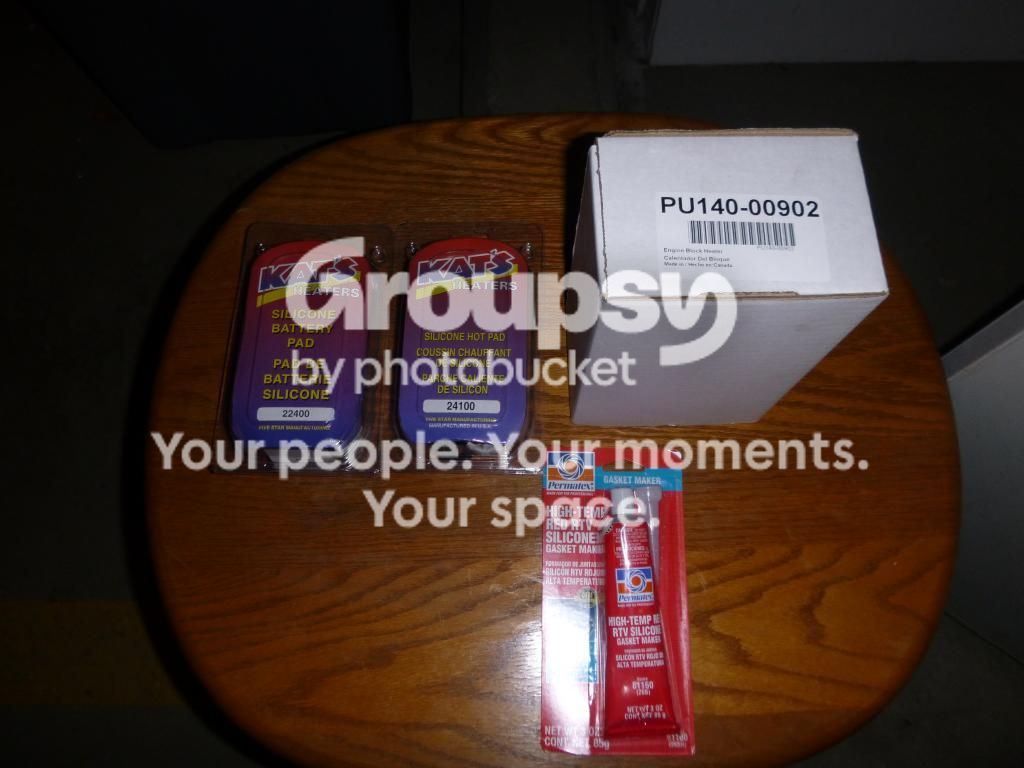
Battery Heater:
The battery heating pad was the easiest, so I started with that first. All you do is loosen the battery hold down with a 10mm wrench, tilt up the end of the battery closest to the radiator, then slide the pad between the battery and tray with the cord coming out like so:
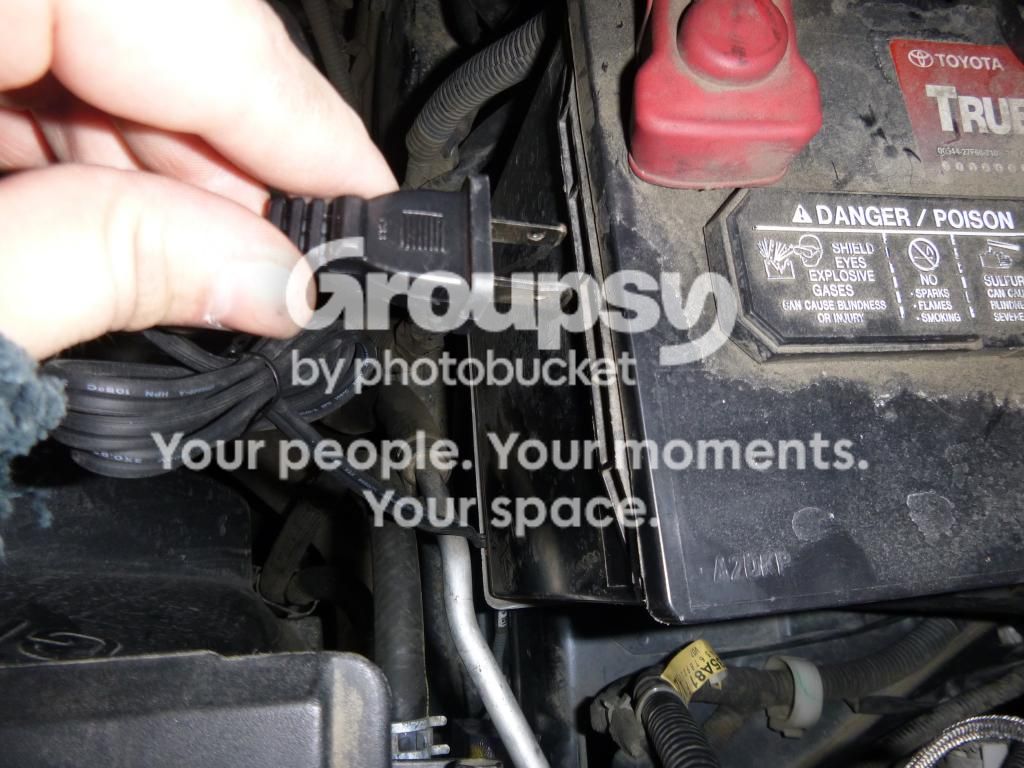
Then just re-tighten your battery hold down and that's it.
Block Heater
Toyota moved to a cartridge type block heater for the 1GR-FE, which means that you don't have to knock out a freeze plug to install it (good news!). The bad news is that the install location is kind of a pain to get to.
The first thing I did was put some dielectric grease on the heater cartridge terminals and then plug it into the power cable, the install goes a lot easier this way.
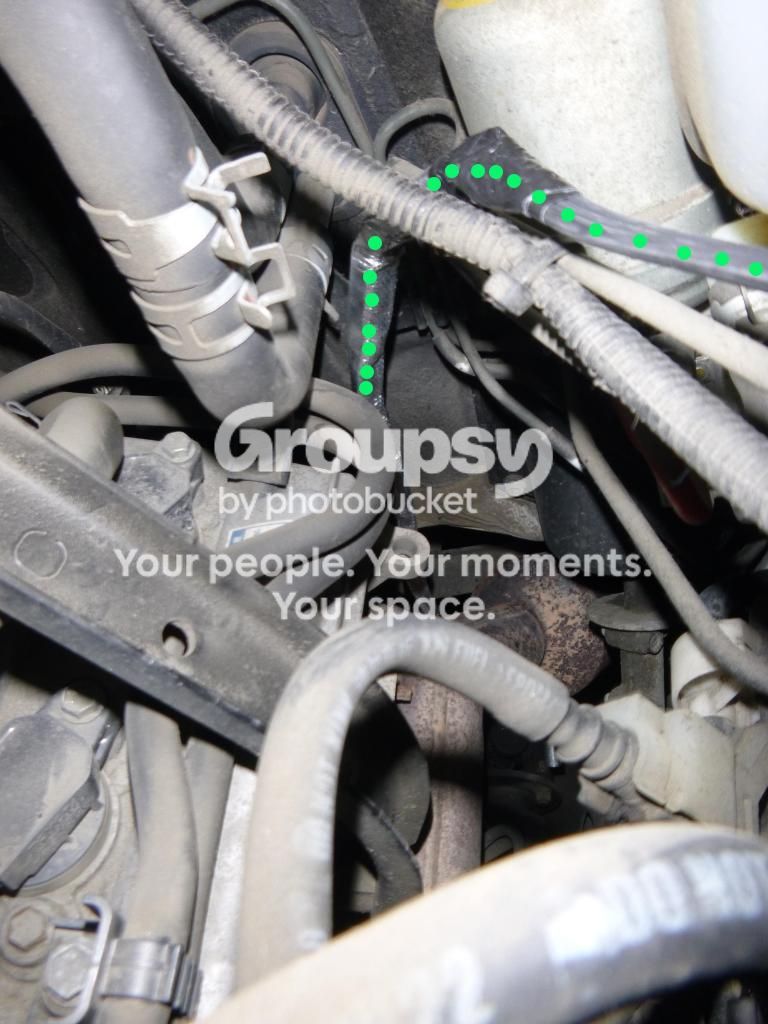
You can then use the cable to dangle the cartridge through the engine bay to roughly where you'll need it for when you crawl underneath. Dangle it just behind the driver's side exhaust manifold/cat; you want to get it between the engine and the exhaust manifold (picture below viewed from the driver's side looking towards the firewall, heater cable highlighted green):
Next, secure the plug end of the cable somewhere near the battery so it doesn't fall into the engine bay while you're underneath the truck. I then jacked up the front end and put some jack stands underneath to make it easier to work down there (probably not necessary if you have a lifted truck).
Then crawl under the truck, remove the skid plates, and hopefully you'll find the heater cartridge dangling between the driver's side catalytic convertor and front drive shaft (as in the picture below). Slather the supplied silicone grease onto the heater cartridge.
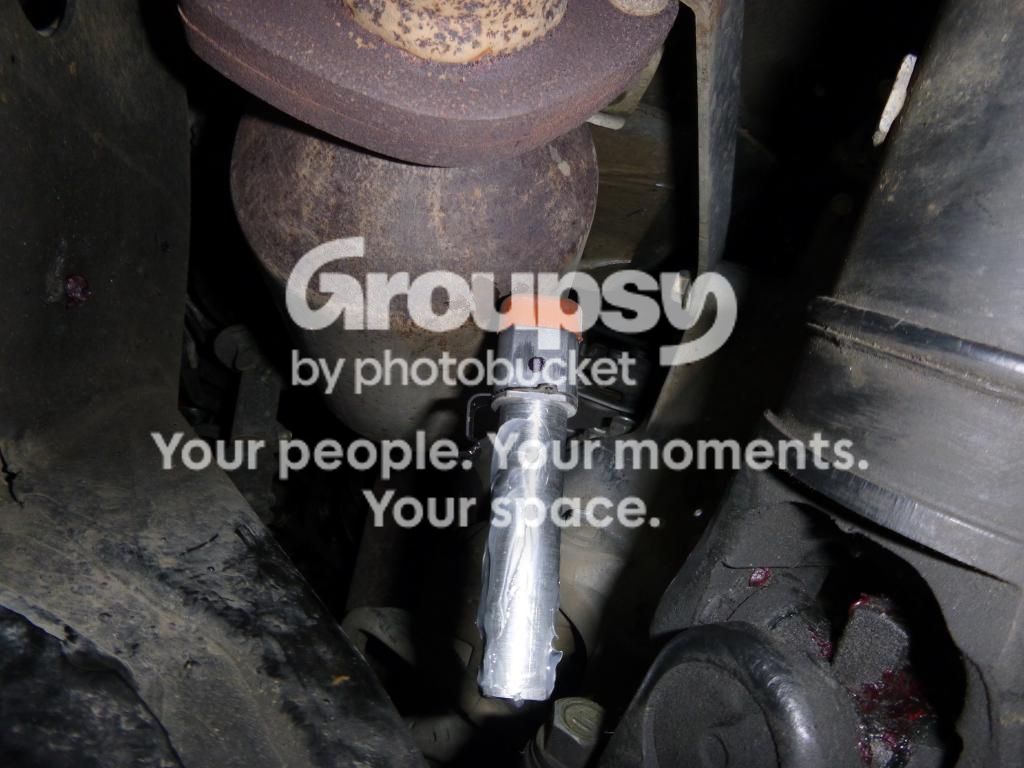
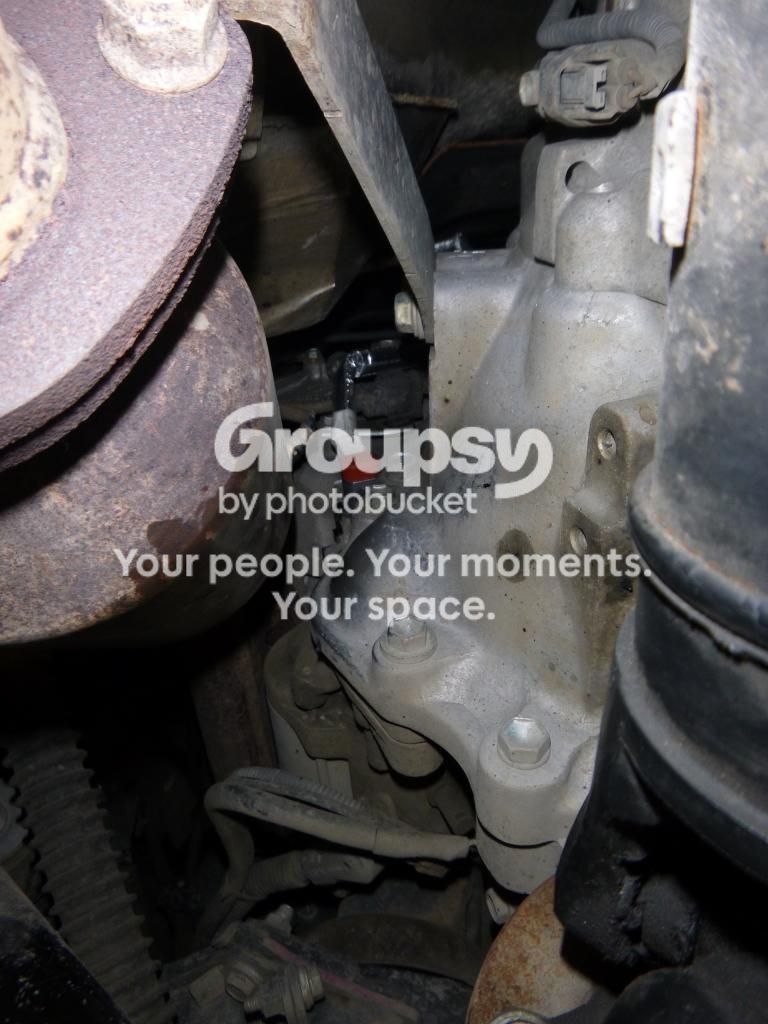
Lastly, you need to find the hole in the block, squeeze your hand up in there, and insert the heater cartridge until the clip clicks onto the block. The hole it goes in is just forward of and directly above 2 of the bolts for the transmission bell housing, the plug for the power cable should be pointing upwards, and the clip should lock into the block at the 9 o’clock position (see picture below of the installed cartridge – the orange thing in the center of the pic).
I routed the power cable up and behind the brake fluid reservoir, then along the fender to the front of the battery and secured it with zip ties.
Transmission Heater
This is probably unnecessary for all but the coldest climates, but I always feel sorry for my poor transmission when starting it up at 20 below and figured it couldn't hurt.
With the truck still jacked up and skids off, the first thing I did was clean the transmission pan and scuff up the paint where the pad would go with some sandpaper. I then wiped it down with some rubbing alcohol to ensure a clean surface for the pad to stick to.
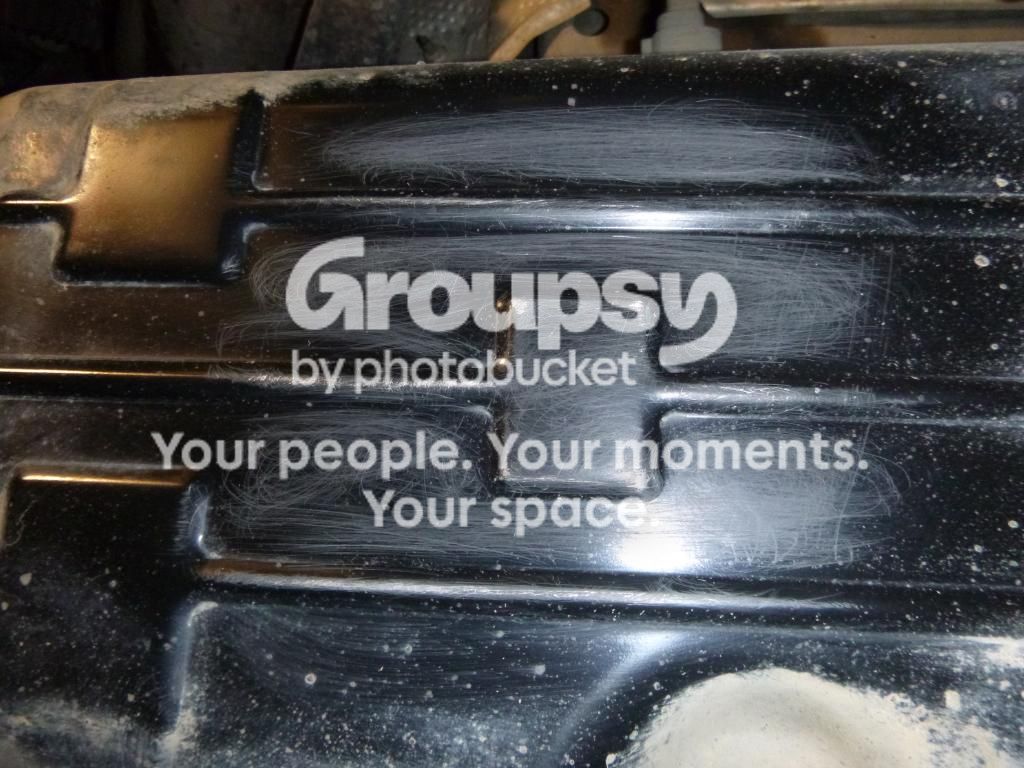
I then removed the backing and applied the stick on heating pad (power cable towards the front of the truck). I used the handle of my pocket knife to work the pad around the contours of the pan and remove any air bubbles as best I could.

Last, I sealed the edges of the pad with some red RTV silicone. I probably used way more than I needed to, but I wanted to make sure this thing was SEALED.
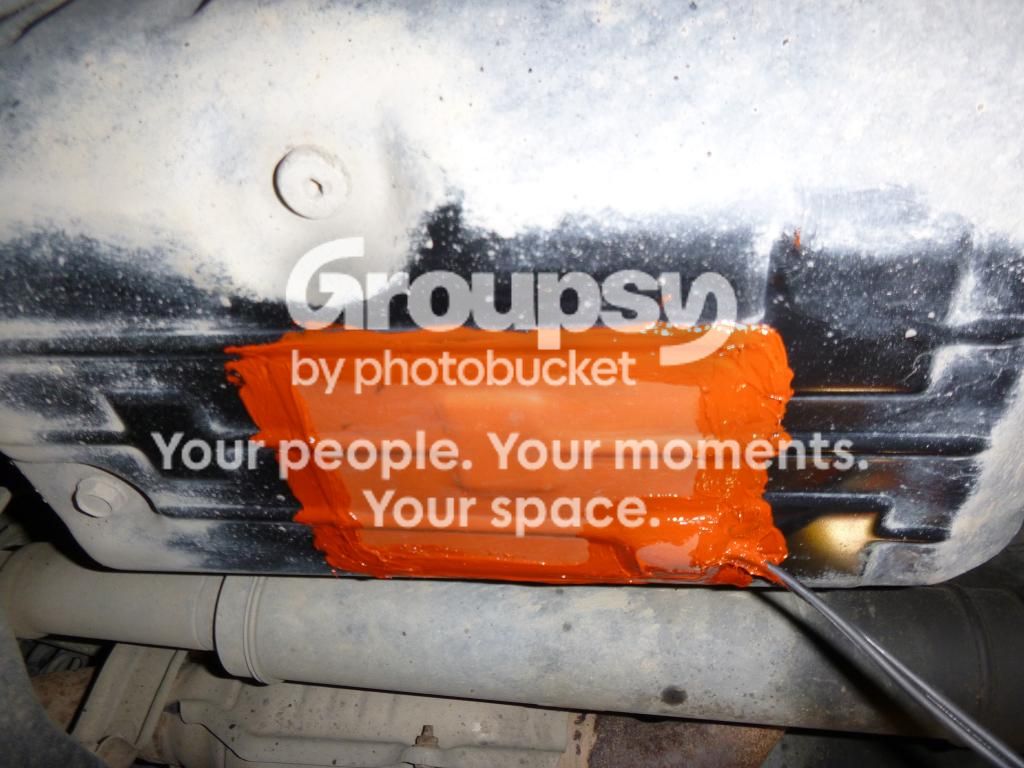
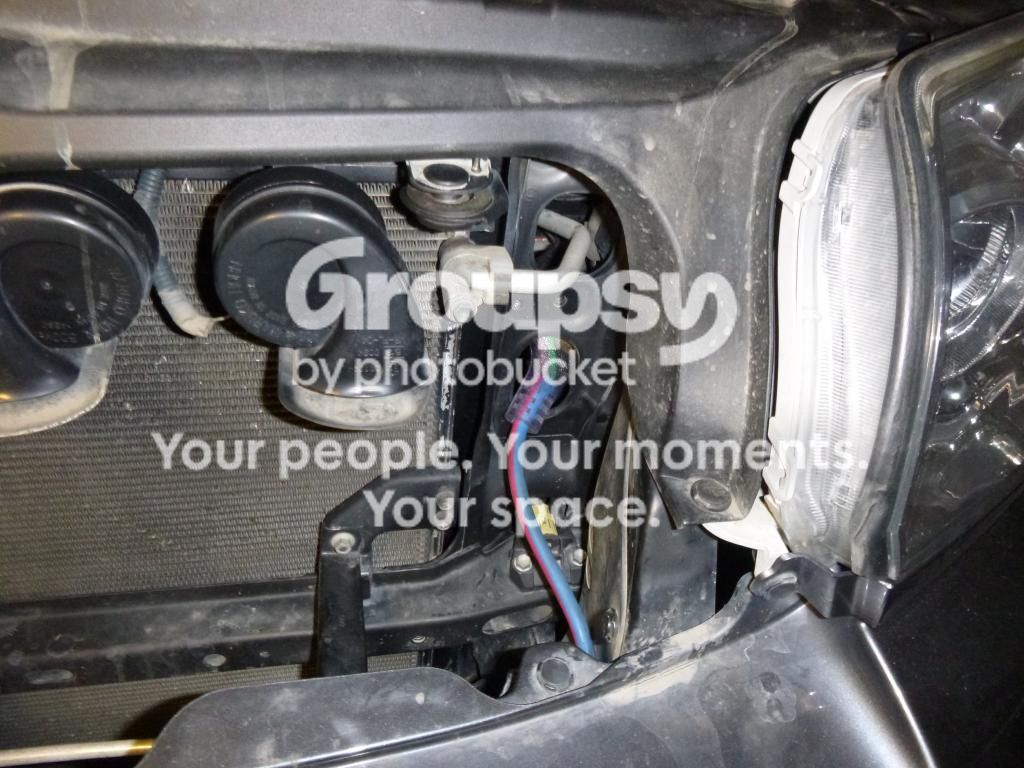
I routed the cable over the frame cross members, then up and through the engine bay to the front of the battery and secured it in place with zip ties along the way. It is just long enough
I plugged all of the power cables into a 2 foot long 3 into 1 lighted extension cord (from Autozone).
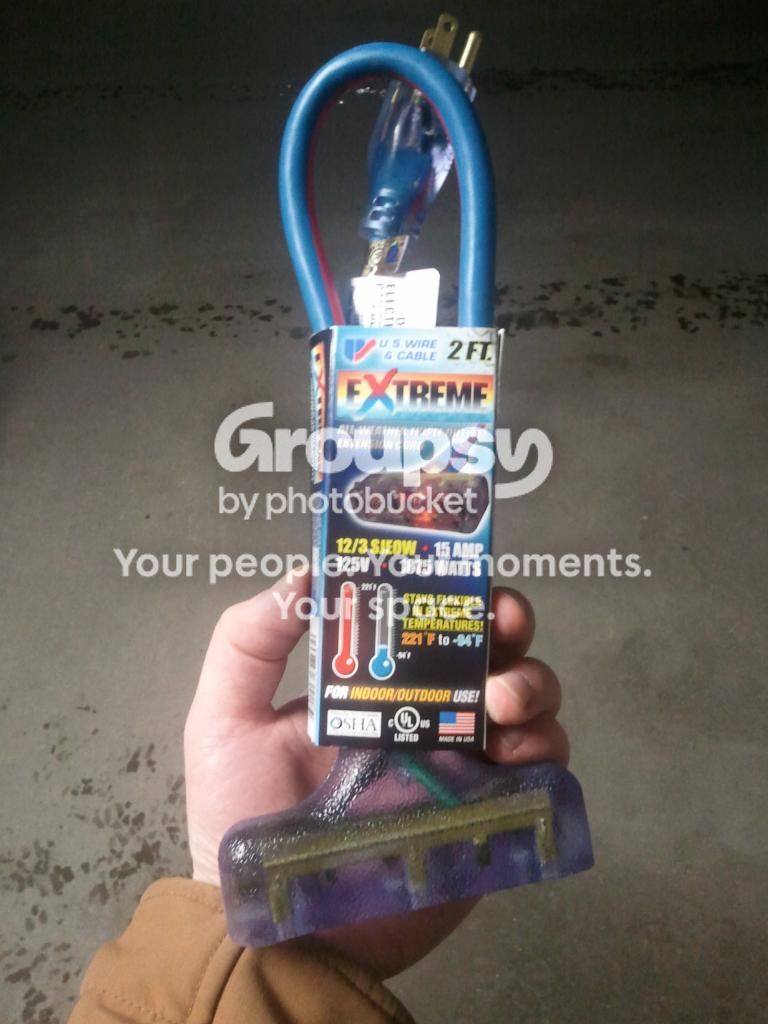
And then routed the cord out through the lower grille:
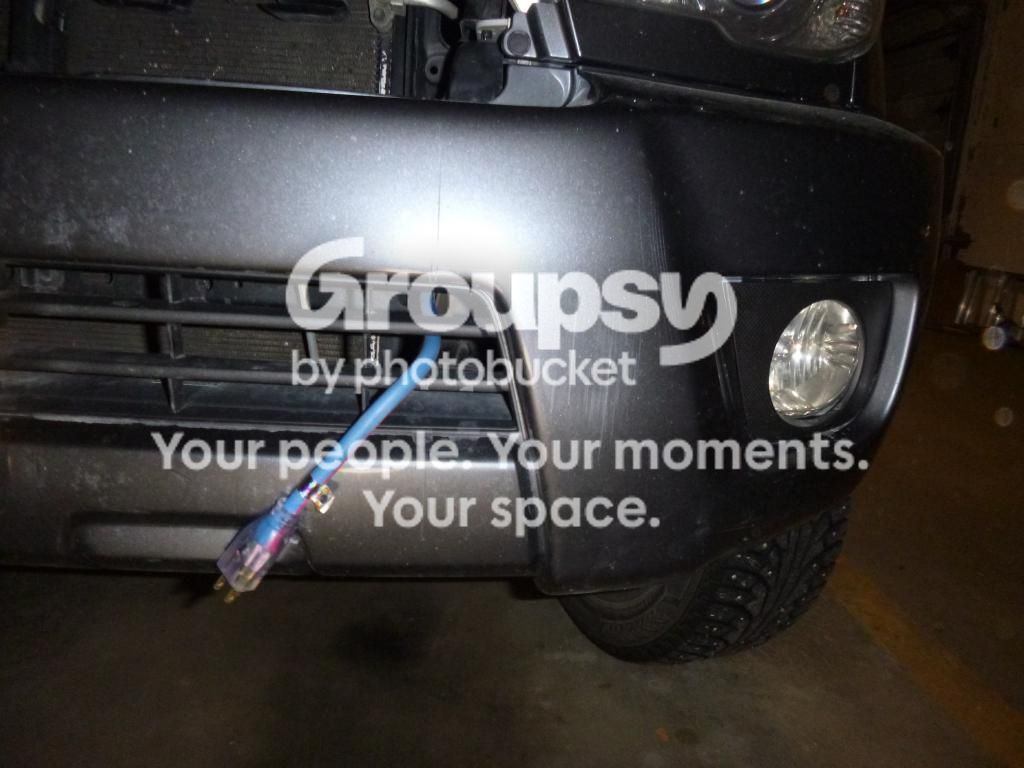
The plug will wedge nicely into the lower grille to keep from banging around when driving.
Oil Pan Heater*
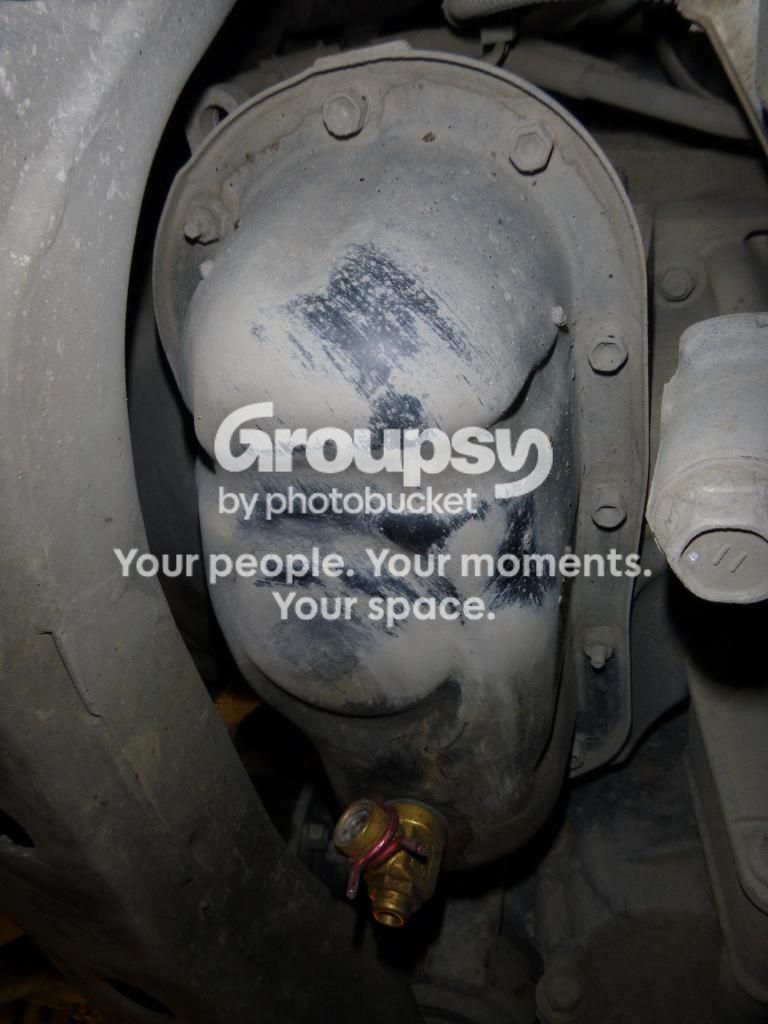
*I originally wanted to install an oil pan heater, but the V6’s oil pan is too small (more of a cup than a pan really), and too heavily contoured for the rectangular 4” x 5” heating pads I have. Kat’s makes smaller 1” x 5” and 2” x 5” heating pads that would probably work if installed on the side of the pan.
The tiny V6 oil pan:
Tools needed:
10mm wrench (for loosening battery hold down)
12mm socket & ratchet (for removing skid plates)
Floor jack and jack stands (to ease crawling under your rig)
Materials Used:
Toyota 1GR-FE block heater (Part # PU140-00902, $65 at my local dealer)
Kat's 100W stick on heating pad
Kat's 60W battery heating pad
Red RTV silicone
Dielectric grease
Zip ties
2 foot long 3 into 1 extension cord
Note: I went with the Kat's brand heating pads (purchased from Amazon) because they were around 1/3 the cost of the competition (Wolverine & Proheat), yet do the exact same thing and last just as long. I've had Kat's heaters on my old Camry for over 6 years with no issues.

Battery Heater:
The battery heating pad was the easiest, so I started with that first. All you do is loosen the battery hold down with a 10mm wrench, tilt up the end of the battery closest to the radiator, then slide the pad between the battery and tray with the cord coming out like so:

Then just re-tighten your battery hold down and that's it.
Block Heater
Toyota moved to a cartridge type block heater for the 1GR-FE, which means that you don't have to knock out a freeze plug to install it (good news!). The bad news is that the install location is kind of a pain to get to.
The first thing I did was put some dielectric grease on the heater cartridge terminals and then plug it into the power cable, the install goes a lot easier this way.
You can then use the cable to dangle the cartridge through the engine bay to roughly where you'll need it for when you crawl underneath. Dangle it just behind the driver's side exhaust manifold/cat; you want to get it between the engine and the exhaust manifold (picture below viewed from the driver's side looking towards the firewall, heater cable highlighted green):

Next, secure the plug end of the cable somewhere near the battery so it doesn't fall into the engine bay while you're underneath the truck. I then jacked up the front end and put some jack stands underneath to make it easier to work down there (probably not necessary if you have a lifted truck).
Then crawl under the truck, remove the skid plates, and hopefully you'll find the heater cartridge dangling between the driver's side catalytic convertor and front drive shaft (as in the picture below). Slather the supplied silicone grease onto the heater cartridge.

Lastly, you need to find the hole in the block, squeeze your hand up in there, and insert the heater cartridge until the clip clicks onto the block. The hole it goes in is just forward of and directly above 2 of the bolts for the transmission bell housing, the plug for the power cable should be pointing upwards, and the clip should lock into the block at the 9 o’clock position (see picture below of the installed cartridge – the orange thing in the center of the pic).

I routed the power cable up and behind the brake fluid reservoir, then along the fender to the front of the battery and secured it with zip ties.
Transmission Heater
This is probably unnecessary for all but the coldest climates, but I always feel sorry for my poor transmission when starting it up at 20 below and figured it couldn't hurt.
With the truck still jacked up and skids off, the first thing I did was clean the transmission pan and scuff up the paint where the pad would go with some sandpaper. I then wiped it down with some rubbing alcohol to ensure a clean surface for the pad to stick to.

I then removed the backing and applied the stick on heating pad (power cable towards the front of the truck). I used the handle of my pocket knife to work the pad around the contours of the pan and remove any air bubbles as best I could.

Last, I sealed the edges of the pad with some red RTV silicone. I probably used way more than I needed to, but I wanted to make sure this thing was SEALED.

I routed the cable over the frame cross members, then up and through the engine bay to the front of the battery and secured it in place with zip ties along the way. It is just long enough
I plugged all of the power cables into a 2 foot long 3 into 1 lighted extension cord (from Autozone).

And then routed the cord out through the lower grille:


The plug will wedge nicely into the lower grille to keep from banging around when driving.
Oil Pan Heater*
*I originally wanted to install an oil pan heater, but the V6’s oil pan is too small (more of a cup than a pan really), and too heavily contoured for the rectangular 4” x 5” heating pads I have. Kat’s makes smaller 1” x 5” and 2” x 5” heating pads that would probably work if installed on the side of the pan.
The tiny V6 oil pan:

Last edited:


 olice:


