T4R_Canuck
Member
If OP is serious about an RTT, it sounds like a roof rack upgrade is probably your best bet to avoid the weight issues you speak of.
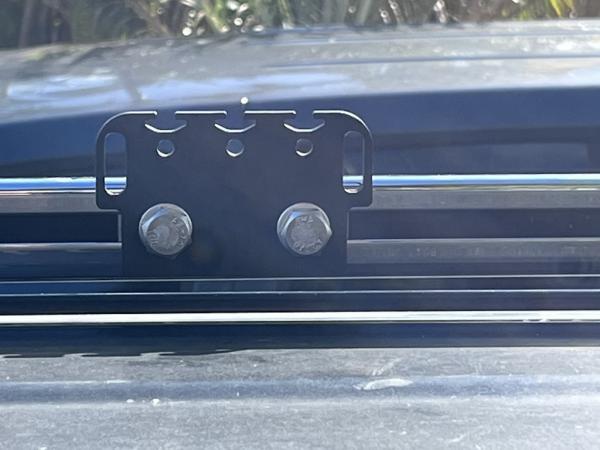
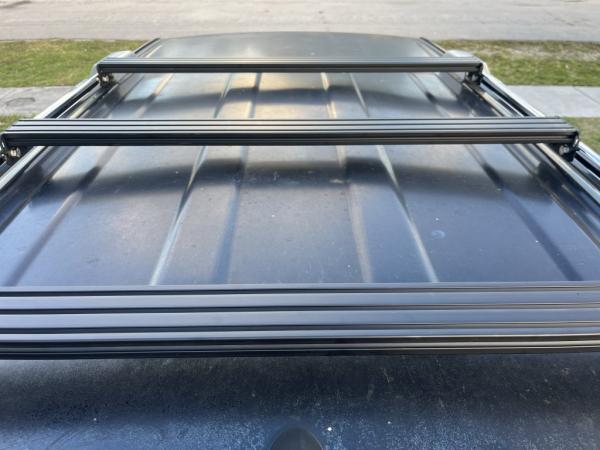
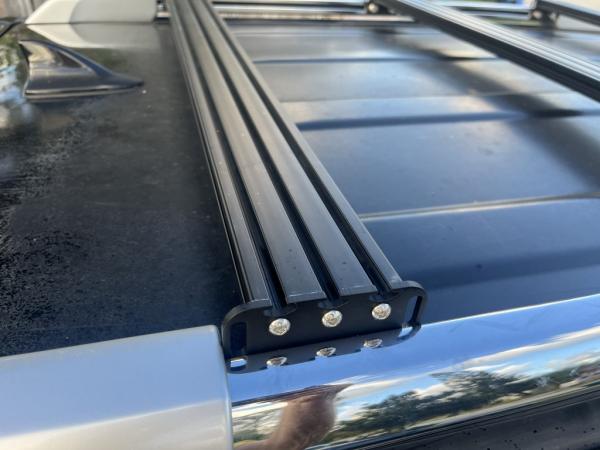
I've used an RTT for 4-5 years now, both on a pickup and on my 4Runner roof. My 4Runner is a mild build for off roading and takes a substantial beating on trails. I had a soft shell RTT until I sold it about a year ago. The roof capacity of the 4Runner is actually quite high as long as you have a proper roof rack. I installed a Prinsu full length of my runner and it had zero issues carrying around my RTT (150lbs), gas cans (20-25lbs each), gun case, traction boards, etc.
I eventually sold my RTT simply because of bulk. I didn't like having the extra height and weight on my roof while offroading on off camber obstacles, it simply felt less stable. I would have switched to a hard shell RTT for my purposes, but I simply wouldn't have been able to fit my 2 kids and myself in the tent, plus it would take my entire roof rack to fit it, meaning i could no longer carry my recovery gear, fuel and other stuff on my rack.
An RTT is a great option, and isn't just hype. It's nice to be able to pull up to camp late at night, level out your vehicle and have a dry, stable and consistent place to lay down that requires little setup time. You could quite literally park in a river and still have a dry place to sleep, as opposed to ground tents where you have to search for level enough ground to set it up on, and hope its not a low spot. Those spots were hard to find for me, because we normally explore higher elevations, where we camp on rocky areas, not grassy ones.
A high quality RTT has great waterproofing, normally better than most ground tents and you never have to worry about the bottom sitting in water, because its not touching the ground. All tents require general maintenance such as cleaning zippers and touching up water proofing at the end of a season. The walls of an RTT aren't under any more or less tension than a ground tent. They all have some form of poles to create the general shape, but some RTT's have a hardshell exterior on 1 surface that helps further improve wind resistance, water resistance and snow loading.
I've used an RTT for 4-5 years now, both on a pickup and on my 4Runner roof. My 4Runner is a mild build for off roading and takes a substantial beating on trails. I had a soft shell RTT until I sold it about a year ago. The roof capacity of the 4Runner is actually quite high as long as you have a proper roof rack. I installed a Prinsu full length of my runner and it had zero issues carrying around my RTT (150lbs), gas cans (20-25lbs each), gun case, traction boards, etc.
I eventually sold my RTT simply because of bulk. I didn't like having the extra height and weight on my roof while offroading on off camber obstacles, it simply felt less stable. I would have switched to a hard shell RTT for my purposes, but I simply wouldn't have been able to fit my 2 kids and myself in the tent, plus it would take my entire roof rack to fit it, meaning i could no longer carry my recovery gear, fuel and other stuff on my rack.
An RTT is a great option, and isn't just hype. It's nice to be able to pull up to camp late at night, level out your vehicle and have a dry, stable and consistent place to lay down that requires little setup time. You could quite literally park in a river and still have a dry place to sleep, as opposed to ground tents where you have to search for level enough ground to set it up on, and hope its not a low spot. Those spots were hard to find for me, because we normally explore higher elevations, where we camp on rocky areas, not grassy ones.
A high quality RTT has great waterproofing, normally better than most ground tents and you never have to worry about the bottom sitting in water, because its not touching the ground. All tents require general maintenance such as cleaning zippers and touching up water proofing at the end of a season. The walls of an RTT aren't under any more or less tension than a ground tent. They all have some form of poles to create the general shape, but some RTT's have a hardshell exterior on 1 surface that helps further improve wind resistance, water resistance and snow loading.