Rear Main Seal Advice

19963.4lsr5

New member
There isn't much out there on the rear main seal. Other than its leaking and a garage wants X to fix it.

I am installing a engine In the next day or two. When I pull the engine (3.4) off the engine stand I would be stupid to not change the rear main seal before I install it. It has 230,000 miles on it and the 96 it was in got totaled. I've already did a valve adjustment and TBK was installed about 20k before it got T boned.

I purchased a Felpro seal set and wonder if anyone used the paper gasket or tossed it and used RTV? I'm on the shelf on using the gasket that came with the kit or using "The Right Stuff".


Sent from my iPhone using Tapatalk
 
Register to hide this ad
There isn't much out there on the rear main seal. Other than its leaking and a garage wants X to fix it.

I am installing a engine In the next day or two. When I pull the engine (3.4) off the engine stand I would be stupid to not change the rear main seal before I install it. It has 230,000 miles on it and the 96 it was in got totaled. I've already did a valve adjustment and TBK was installed about 20k before it got T boned.

I purchased a Felpro seal set and wonder if anyone used the paper gasket or tossed it and used RTV? I'm on the shelf on using the gasket that came with the kit or using "The Right Stuff".


Sent from my iPhone using Tapatalk

NO do not use the paper gasket. I wouldn't suggest buying anything other than the OEM gasket. Mainly because of reading of multiple people who had leaking issues shortly after. Just make sure you don't push it in to far, and that you use the FIPG to seal the engine back up. I took mine to get it done because I had to have the timing belt kit done too at the same time. I am glad I did have it done, because he had told me it was leaking more than I had knew.
 
NO do not use the paper gasket. I wouldn't suggest buying anything other than the OEM gasket. Mainly because of reading of multiple people who had leaking issues shortly after. Just make sure you don't push it in to far, and that you use the FIPG to seal the engine back up. I took mine to get it done because I had to have the timing belt kit done too at the same time. I am glad I did have it done, because he had told me it was leaking more than I had knew.

Definitely use the supplied gasket. I used OEM and it has worked well. There shouldn't be a need to take the retainer plate off, but if you do, rtv the hell out of it when you put it back in. I don't know what other questions you have. If the motors not in the vehicle it should be cake.
 
Definitely use the supplied gasket. I used OEM and it has worked well. There shouldn't be a need to take the retainer plate off, but if you do, rtv the hell out of it when you put it back in. I don't know what other questions you have. If the motors not in the vehicle it should be cake.


If I don't have to take the plate off the block to change the crank seal then no worries. There was a paper gasket for the retainer plate to block in the seal kit.


Sent from my iPhone using Tapatalk
 
Not going with OEM on the seal isn't as big of a deal as some would make it out to be. Any decent manufacturer like Timken, SKF, National, etc.. are more than capable of making a simple oil seal.

It's the install that's the critical part. Check the shaft if there's any wear/grooving and make sure you clean the mating surface. I would not go with the included paper gasket. It will probably work, but a good RTV is a far superior sealing solution.
 
Not going with OEM on the seal isn't as big of a deal as some would make it out to be. Any decent manufacturer like Timken, SKF, National, etc.. are more than capable of making a simple oil seal.


It's the install that's the critical part. Check the shaft if there's any wear/grooving and make sure you clean the mating surface. I would not go with the included paper gasket. It will probably work, but a good RTV is a far superior sealing solution.


I have no leaking issues with current seal. Just feel I'd be stupid to not change it while it's easy to do. But I'll eyeball the crank nun the less. If I can pick out the old seal and install new one without removing the plate I'm all for it.

The seal I bought a napa 4 years ago for the front crank seal actually had a graphite lube between the groves. I liked that. I may see if napa has the same type for the rear main too.


Sent from my iPhone using Tapatalk
 
Generally speaking, there's no reason to pull the seal mounting plate to do the seal. It's slightly easier to put the seal in with the crank out of the way, but that's offset by the hassle of making sure the seal mount plate doesn't leak afterward.

I recently replaced the RMS on my 4Runner, 213K miles, in the middle of a clutch replacement. If it was *bone* dry I would have just left it alone, but there was the faintest amount of oil around it.

There are seal 'hooks' that you slide in between the crank and seal, to grab it and yank it out, Mine immediately broke. D'oh! So I just carefully drilled a few small holes in the seal, screwed in some small sheet metal screws, and yanked it out using those.

Then I used a cam timing gear I had laying about that was the correct diameter, and used that to tap the new seal in. I oiled the new seal inner and outer surfaces and tapped it in flush with the lip of the seal housing.

I have had issues with cheap aftermarket quality seals in other applications (Volvo). I installed the seals that came with the aftermarket gasket set when doing an engine rebuild, within a few thousand miles the front of the engine was faintly damp with oil. AI removed all the seals and used OEM replacements and it was bone dry afterward.
 
Yea, it's a good idea to replace oil seals proactively due to age. OEM or not, elastomers go bad with with age, heat, and ozone exposure. If you compare an old crank and cam seal from the front of the engine, the crank seal will be noticeably harder and discolored from all the heat.

OEM is not always the superior solution. I believe Napa seals are often just SKF. Sometimes they incorporate better technologies like their wave seal lip for better lubrication of the ring
 
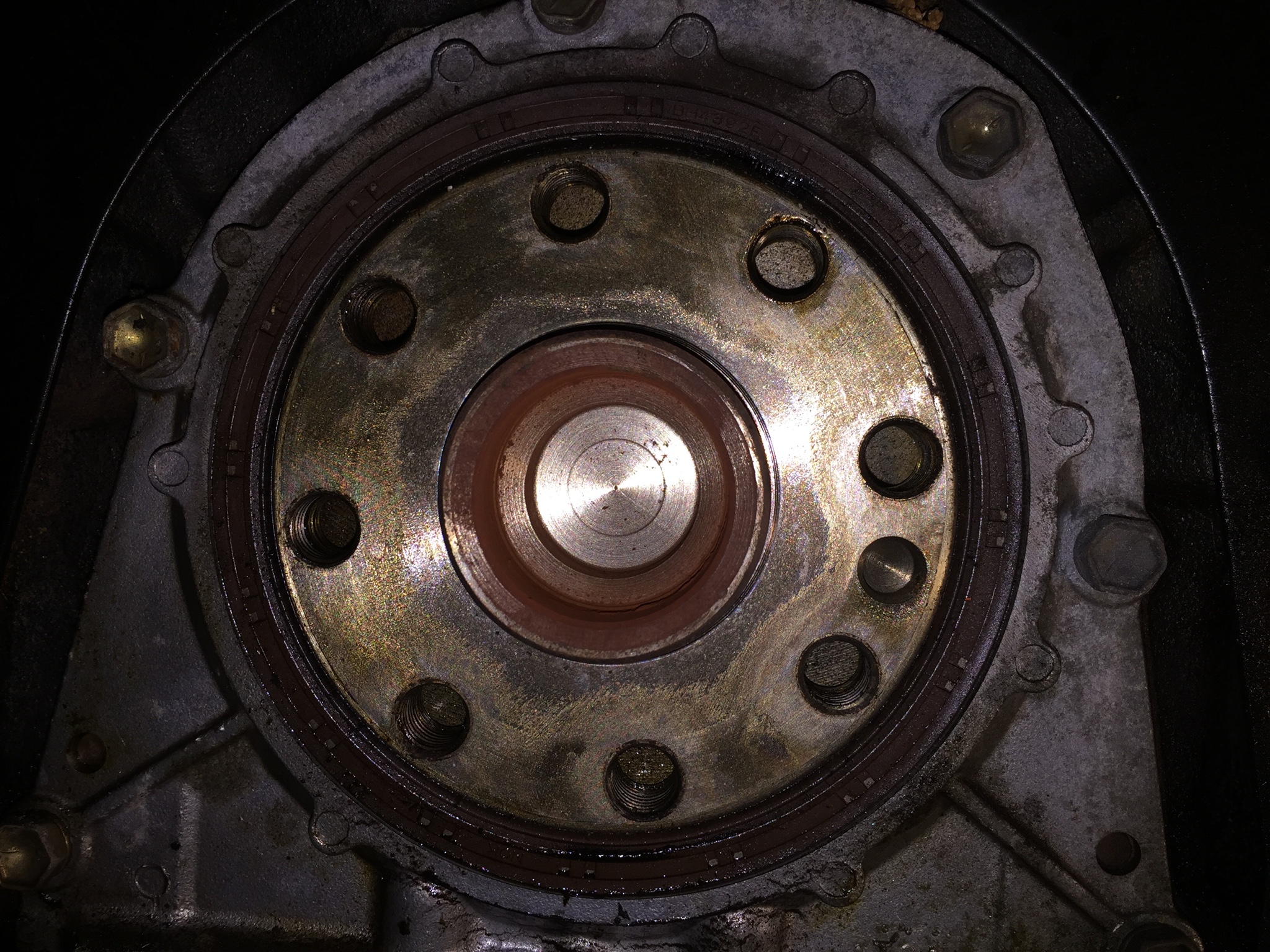
689c9afd0ec1e0a109800fc24d6ef48f.jpg


This is what's in there now. Don't know if it's factory or not being brown.


Sent from my iPhone using Tapatalk
 
No No

Not going with OEM on the seal isn't as big of a deal as some would make it out to be. Any decent manufacturer like Timken, SKF, National, etc.. are more than capable of making a simple oil seal.

It's the install that's the critical part. Check the shaft if there's any wear/grooving and make sure you clean the mating surface. I would not go with the included paper gasket. It will probably work, but a good RTV is a far superior sealing solution.

I used a national brand front hub inner seal for my car on a Sunday. At the time I drove it in, the damn seal bended like a piece of aluminum. First time experiencing a "bent" oil seal in my life.

Got an OEM next day and it went in smooth. It is not just a simple seal. It is the quality... steel frame Vs a metal frame. What else could be bad in the neoprene rubber.

The only non-OEM oil seal I use is Marlin Crawler's Eco Seal for the toyota's front solid axle oil seal.

FYI the " NOK" is the oil seal supplier for toyota. The ebay and other online sources sell "KOK" which is counterfeit.
 
Last edited:
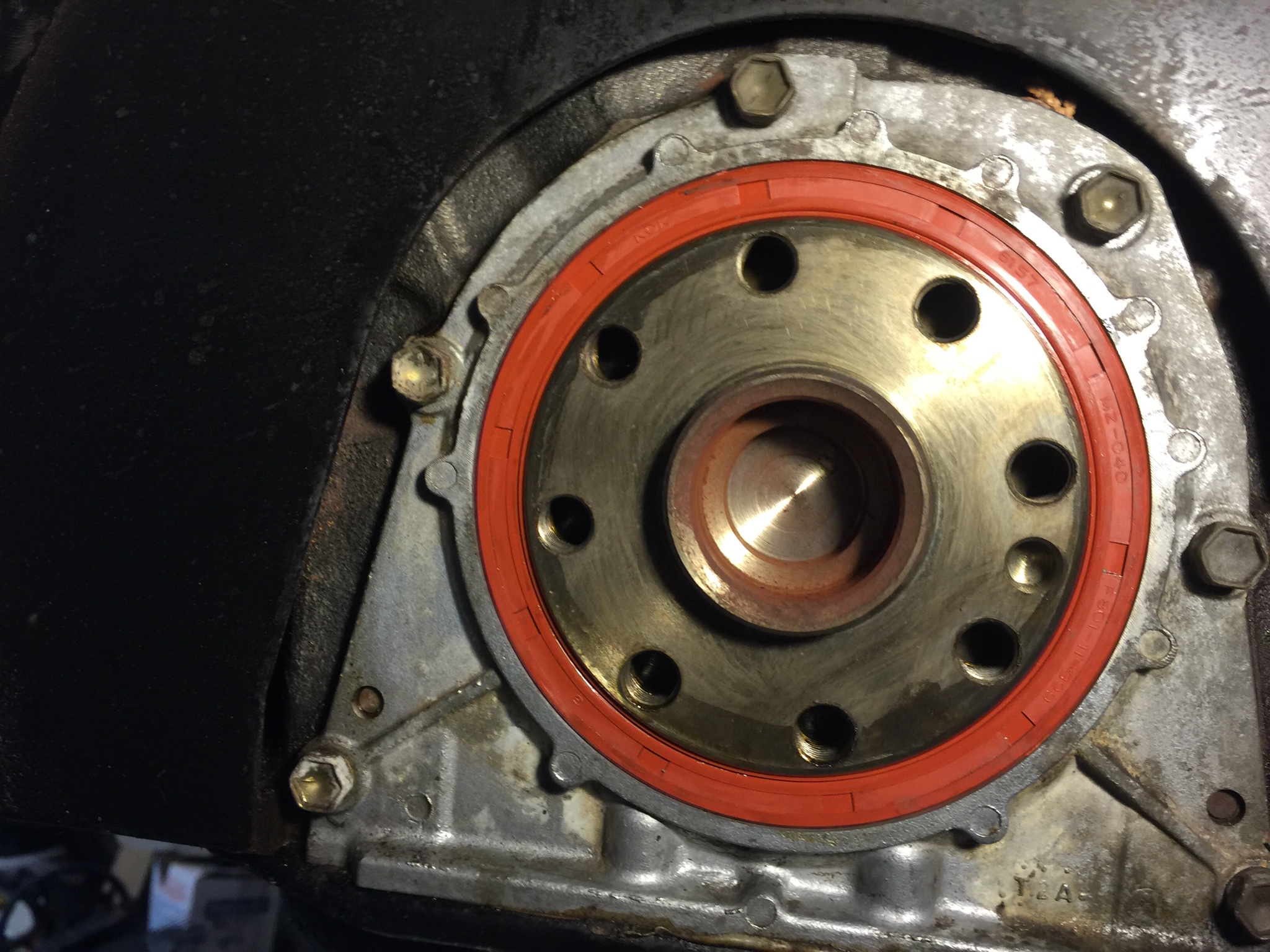
8393b61dad9462d0a223ec396862a3d0.jpg


This went in fairly easy. Lubed the inner grove and tapped it in until it bottomed out.

This is a Napa SKF


Sent from my iPhone using Tapatalk
 

Members online

Forum statistics

Threads
278,310
Messages
3,554,080
Members
248,016
Latest member
Advally Service

Trending content

Back
Top