Rebound and compression test of rear shock

ron in sc

New member
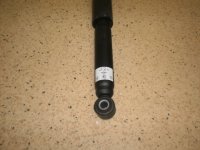
Photo is of 2012 SR5 rear shock from vehicle with 9k miles on it.

Test is unscientific: How much rebound and how much compression does this shock have. Answer not much at all and I'm not real strong.

I could easily compress shock using my hands. Once compressed shock will rebound very quickly. Appear to have virtually nearly no dampening ability.

For those of you who have installed rear Bilstein shock tell me that what I experienced above in not how Bilsteins would react with similar test.
 

Attachments

  • P1010883.JPG
    P1010883.JPG
    79.1 KB · Views: 613
Register to hide this ad
Shock Test

I added Bilstein 5100s to the rear 6 months ago and did the same scientific test on the oem shock as you did. They were not all that bad, but the TE only had about 8k miles. The Bilstein was noticibly firmer on compression, but not much different on the way back up. Probably due to the high pressure gas charge helping push it up not being strong enough to really pull on it.
I now have Bilstein 5100s on all 4 corners and noticed a firmer ride on city streets and a better ride off-road with better rebound control. It just feels better on rough dirt roads.
 
I added Bilstein 5100s to the rear 6 months ago and did the same scientific test on the oem shock as you did. They were not all that bad, but the TE only had about 8k miles. The Bilstein was noticibly firmer on compression, but not much different on the way back up. Probably due to the high pressure gas charge helping push it up not being strong enough to really pull on it.

That's good to hear plus your TE might have had better shocks than my SR5 to begin with.


When you added the 5100's to the front did you use them to lift the vehicle? I ask because I'm under the impression that if you use them to lift vehicle that will preload springs and that would be the only way to get rid of nosedive. If the springs are preloaded then you are limiting the dampening capability of the shock.
 
Bilsteins

I added 5100s to the front set to 0.85 to level it. It still has about a 1 inch rake but I was afraid to go to 1.75 for a better level. I did not want to go reverse rake when loaded. It helped reduce the nose dive but not eliminate it. It was slightly firmer on road but not much until I added the rear 5100s. I also added Air Lift bags but leave them at 5 psi unless loaded or going off-road, then I set them at 10 to 15psi. IMO this is a good combination without getting too stiff for city driving.

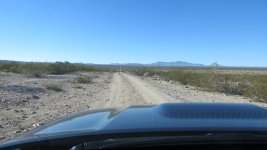
Off-road I run 20 psi in the tires to get some cushion and 15 in sand for traction with oem tires. Toyo AT II are planned at replacement time. This appears to be a good combination for the places I take the TE like going over the mountains in the photo recently.
 

Attachments

  • IMG_1098.jpg
    IMG_1098.jpg
    136.1 KB · Views: 532
I did not do the "scientific" test with the Icon but I test drive a set yesterday and will be posting my opinion (for what it's worth) in another thread later.
 
Can not do that now I've already reinstalled it and have another car on lift now.

I did put in 2 new bilsteins on my ML320 and I had to push them down with rod on floor to compress them.
 
Try doing this test pushing faster. It should firm up pushing fast.

You try doing that and get back to me, lol. Unless you're super man, I doubt you're going to compress them any faster by hand :hello:

FWIW, Ron, I too did this un-scientific test and ended up with the same results as well; both front and rear factory shocks appeared much easier to compress by hand than the 5100s. I had to really put my weight into it to compress the 5100s vs. easily pushing them down by hand on the factory shocks w/ 10k miles on them.
 

Members online

Forum statistics

Threads
278,316
Messages
3,554,113
Members
248,016
Latest member
Advally Service

Trending content

Back
Top