jbtvt
New member
If all the other lug nuts are still tight, that tells you that the process you use for torquing is sound, so all the questions about torque levels, torque sticks, debris on threads, etc, become a moot point.
I'm guessing that either someone did a prank on one wheel (which I agree is highly unlikely), or you did not torque one set of lug nuts correctly. Happens to all (most) of us.
I would check with new lugs, studs or wheels... but if they have all been used a few times you shouldn't need a re-torque if you do it right.
-Charlie
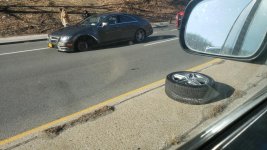
Guys, and the others posting this, rims absolutely do loosen. I drive a ton of miles for work, split between about 8 vehicles between personal and company fleet, and have seen probably a dozen alloy rims come loose or loose-ish over the years. My own that I know were done by the book, procedure as mentioned before, when I was beating the car hard before retorquing, exes cars who had it done at a shop, company vehicles done at reliable shops. There's a reason they all tell you to retorque.
In this case, maybe there was a piece of grit or burr in one of the threads when he tightened in the air, then he set down and loaded the suspension which tweaks the camber and put excess pressure on that stud which was already loose. Now when he tightens the lug, he's trying to adjust a fully loaded vehicle's camber with a few lug nuts, so torque clicks before half the studs under camber pressure are actually to torque, and over time they work loose. Maybe he's got a caliper dragging creating excess heat and that excess and differential thermal expansion between the steel rotor/hub and alloy wheel works them loose. Or any other number of ways. Literally the last time I checked my lugs the other week after feeling vibration (think a belt snapped on my 7yo tires) I found all studs on one wheel that hasn't been off in over 1k miles slightly looser than the 100 ft/lbs I tighten them too. Nothing major but in another 1k miles, who knows. Odds of this being tampering are slim to none imo. This is not uncommon.
I've been getting retorque notices from shops since I've been driving, 25 years, if older people haven't maybe it's because alloys were less common before then. Personally never had an issue with steel, suspect the reason is that steel is more ductile than cast alloy and acts like a lock washer slightly compressing and loading the lug, so where heat or vibration would give an alloy some room, the steel springs back and takes up the slack. Like a spilt washer. My steelie vehicles don't get hot-rodded as much either, so that could be a factor.