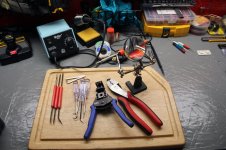
I work in the aerospace industry. As part of my job, I'm certified in flight soldering, and PACE certified for SMT soldering. I have very high end equipment at work and home. Far beyond what most fellow geeks would ever need.
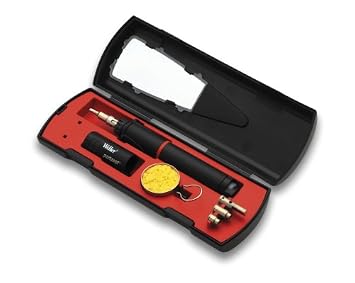
That said, my go to soldering iron for field work is a Weller P2K butane model. It comes with several attachments. It heats up within a minute, and can run for an hour on a single fill. Includes a small solder tip, a mini heat gun tip (great for shrink tubing), and a hot knife blade, which also works well for soldering large lugs.
It's only $53 on Amazon.
https://www.amazon.com/Weller-P2KC-Professional-Self-igniting-Soldering/dp/B000WOHSHM/
I've had mine for years. Fantastic product!
You are spot on with the 63/37 solder recommendation. The problem with the more common 64/40 solder is it has a longer "plastic" phase. When the heat is removed, the wire can wiggle, ending up with a cold solder joint. For flight grade connections, we use the 63/37 blend as the solder solidifies much quicker when heat is removed.
Use RMA (Rosin Mildly Activated) rosin. NEVER use RA flux as it will corrode the termination over time. RMA flux does not require cleaning afterwards, but we do to inspect the work. A little isopropyl alcohol and a trimmed acid brush work wonders.
And for flight terminations, we are NOT allowed to crimp AND solder. One or the other. A proper crimp is as good as a solder connection (not my opinion, but based on many studies by the military and NASA). The worst thing you can do is solder, then crimp. A crimp requires the wire to push back after compression. If the wire has been soldered, it won't do so as well... buying you nothing. But for years, I crimped, then soldered. Only later, after formal training, did I learn it wasn't worth the extra effort. But people can do whatever makes them happy.