
Lighting question

swim.bike.run

New member
I will preface my question by stating I am somewhat mechanically inclined but an idiot when it comes to anything electric so here goes.

How do you know what is too much load for adding lights? Ive reading about the Spod and some other solutions mentioned on this board but I'm unclear. Ive read the "raptor light" post from rock creek(which seems easy) but if I want to add puddle lights or a light bar when does it become too much?

:cheers:
 
Register to hide this ad
I will preface my question by stating I am somewhat mechanically inclined but an idiot when it comes to anything electric so here goes.

How do you know what is too much load for adding lights? Ive reading about the Spod and some other solutions mentioned on this board but I'm unclear. Ive read the "raptor light" post from rock creek(which seems easy) but if I want to add puddle lights or a light bar when does it become too much?

:cheers:

Hi swim.bike.run,

This thread may help you understand some of the electrical theory involved; but it reads easily!

http://www.toyota-4runner.org/5th-gen-t4rs/172070-4runner-alternator-upgrade-gen-5-a.html

rig cheers
 
I will preface my question by stating I am somewhat mechanically inclined but an idiot when it comes to anything electric so here goes.

How do you know what is too much load for adding lights? Ive reading about the Spod and some other solutions mentioned on this board but I'm unclear. Ive read the "raptor light" post from rock creek(which seems easy) but if I want to add puddle lights or a light bar when does it become too much?

:cheers:
Hello,

We are a LED Lighting vendor on this forum. For LED products for the electronic part it's very easy. For instance, we sell a 30" LED bar, It comes with a wiring harness that includes a fuse, and relay and switch. After you wire it to your battery you do not have to worry about your amps, or anything because with our harness does it all for you. If you have any question please let us know. We are here to help.

https://caliraisedled.com/collections/toyota-4runner
 
Assuming your power source can handle it, then the next thing of concern is the gauge of your wire. Load is usually measured in Watts = Volts x Amps x [a power factor]. Lets assume the power factor is 1.0 to keep it simple as W = V x A. There is also voltage drop per length of wire due to internal resistance, but again, lets keep this simple.

Typically a 14 gauge wire that is 10' in length can carry 10A @ 12V without too much voltage drop. Therefore, theoretically you can have a max load of 120W [12V * 10A]. Most lights and other electrical components have a power consumption rating shown in Watts. Add together the power consumption of all your components and make sure you don't exceed the max Watts of the wire. In fact it's best to not exceed 80% of the max Watts and to use a fuse somewhere in there.
 
Last edited:
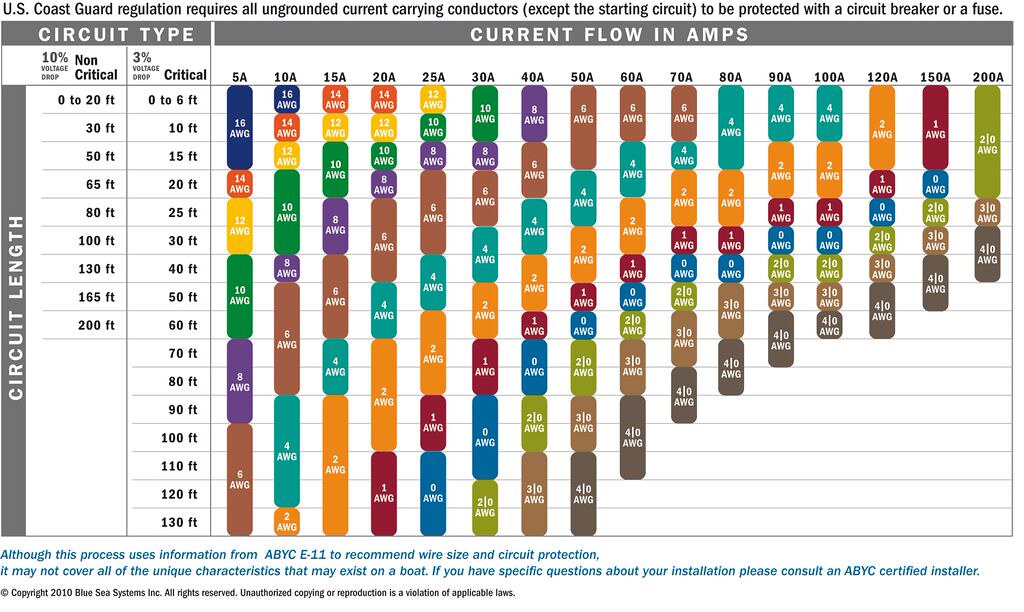
Here is a chart to determine what gauge wiring you should use based off the amps that it pulls and distance from where the light to the power source is.

36787548244_8cd75b4d9e_b.jpg


I'm running a stock battery on mine still and I have a handful of lights install and with them all on, I don't think it exceeds more than 30amps but I would only do that if the engine is on or just momentary. If the lights are pulling less than 5amps and you don't plan on running them for hours on end then I wouldn't be overly concerned about overloading your battery. Most air compressors pull more than 30 amps which is why they recommend you only use it when the engine is on.
 

Members online

Forum statistics

Threads
278,305
Messages
3,554,042
Members
248,016
Latest member
Advally Service

Trending content

Back
Top