Single Deep Cycle install, another battery thread!!

SirWilliamGoes

New member
So I'm installing a deep cycle battery setup similar to Weeeee (anoyher member) I have decided on group 34, not because I have any idea what that means, but it seems to be the most common!! Now I'm trying to figure out if I should do yellow top or blue top. I can get them for the same price. All that will be running off it is a IndelB fridge 24/7 and I will install some LED lights later. It will be wired to a 6 slot fuse block and ran back to a panel I have installed. Ideally if I can get 3days of use in between charge then I will be happy. Thanks in advance for the help!!

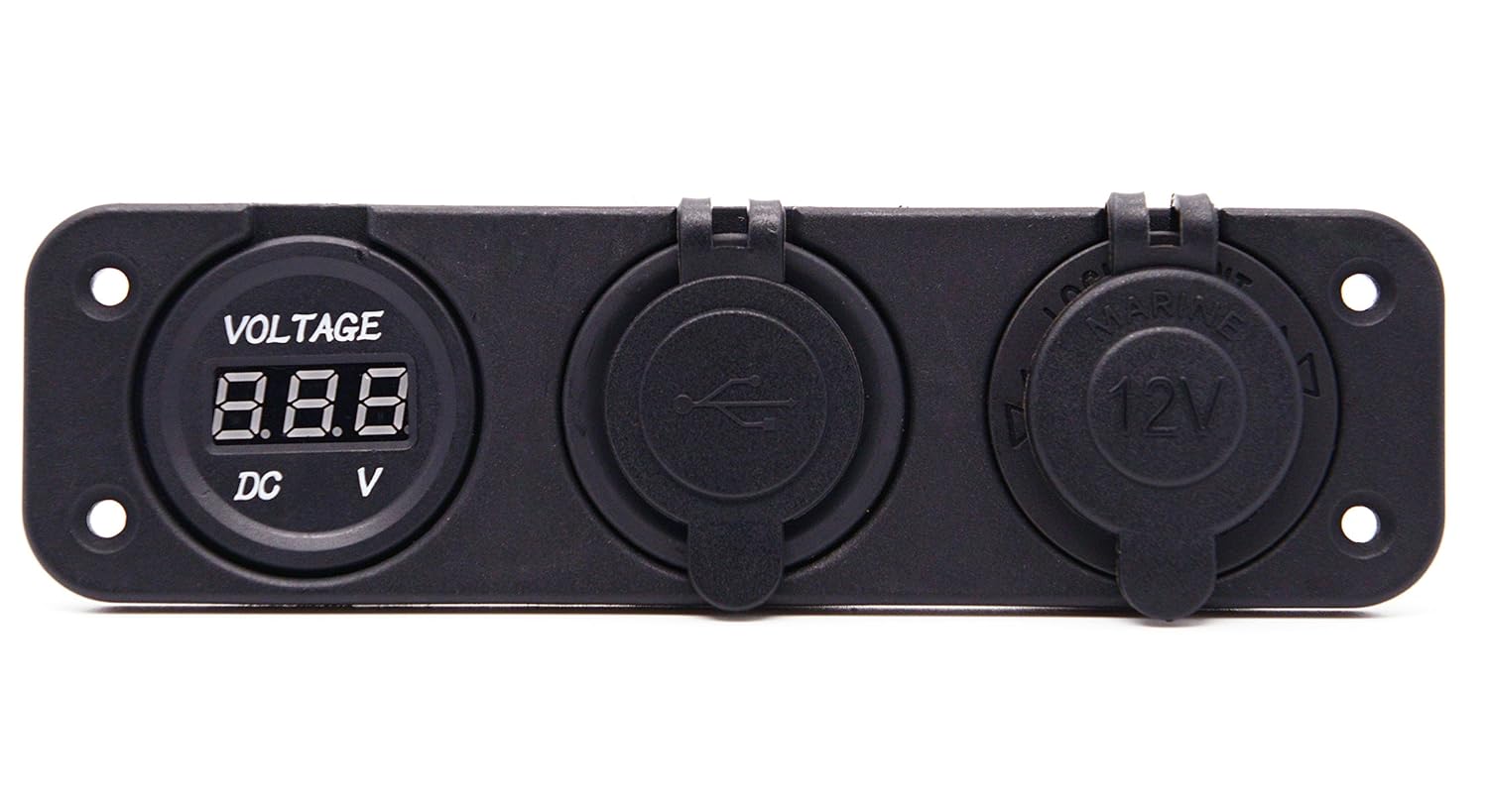
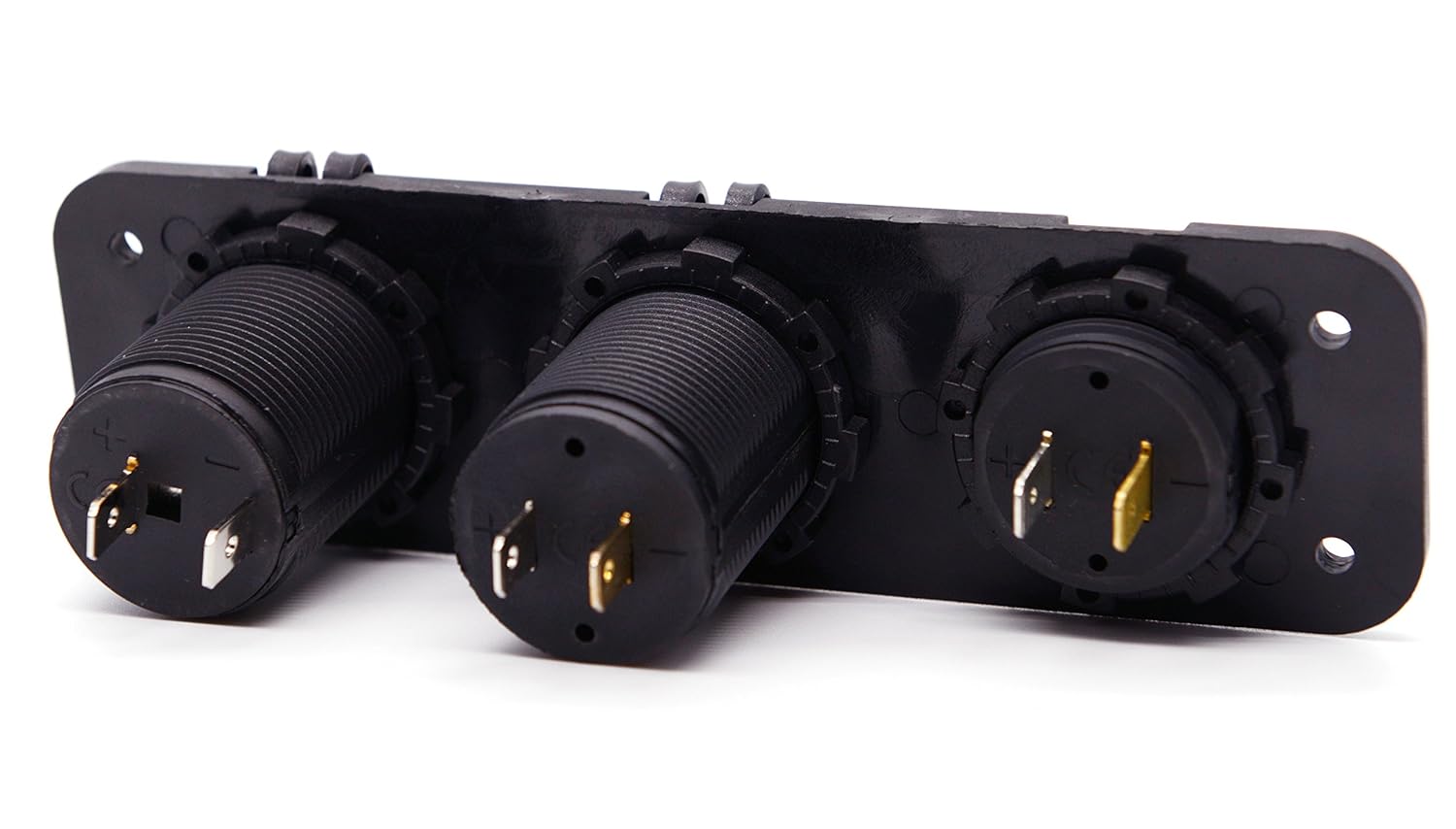
Here is a pic of the panel I have installed
7cb3065c5f0edcacd40774b012642bf7.jpg


Sent from my SAMSUNG-SM-G890A using Tapatalk
 
Register to hide this ad
I wouldn't get any Optima ( i assume that is what you mean by blue top and yellow top), they are made in Mexico and aren't the same quality they used to be

I have a Duracell Ultra Platinum (East Penn/Deka) because it costs a lot less and am happy with it. If you want premium get a Northstar (or X2Power from Batteries Plus, made by Northstar) or Odyssey.

Check the charging specs for whatever you get and make sure you can charge appropriately, i think Odysseys are picky about charging

Edit:
Also I don't think 3 days run time on a 55ah battery is a realistic goal, 1.5-2 days is probably more realistic. Let's say your fridge shuts off at 11.8V which i think would be about 60% discharged that gives you probably 1.5 days in high temps or maybe 2 in mild
 
Last edited:
Yeah, seems to be out of 100 people 50 love optima and 50 hate them. One of the reasons I was thinking optima is because if I did need to replace it while on my trip across the US off road, it would be more common to find. Also I can get 1 for right at 200$

Sent from my SAMSUNG-SM-G890A using Tapatalk
 
I think Batteries Plus is nationwide, the X2 (Northstar) should be kept in stock. My battery (East Penn/ Deka) was off the shelf in stock.

Sent from my SM-G930V using Tapatalk
 
I think Batteries Plus is nationwide, the X2 (Northstar) should be kept in stock. My battery (East Penn/ Deka) was off the shelf in stock.

Sent from my SM-G930V using Tapatalk
I went yesterday and picked up a XS battery and got it installed. I should have everything ran by next week for always on fridge set up

Sent from my SAMSUNG-SM-G890A using Tapatalk
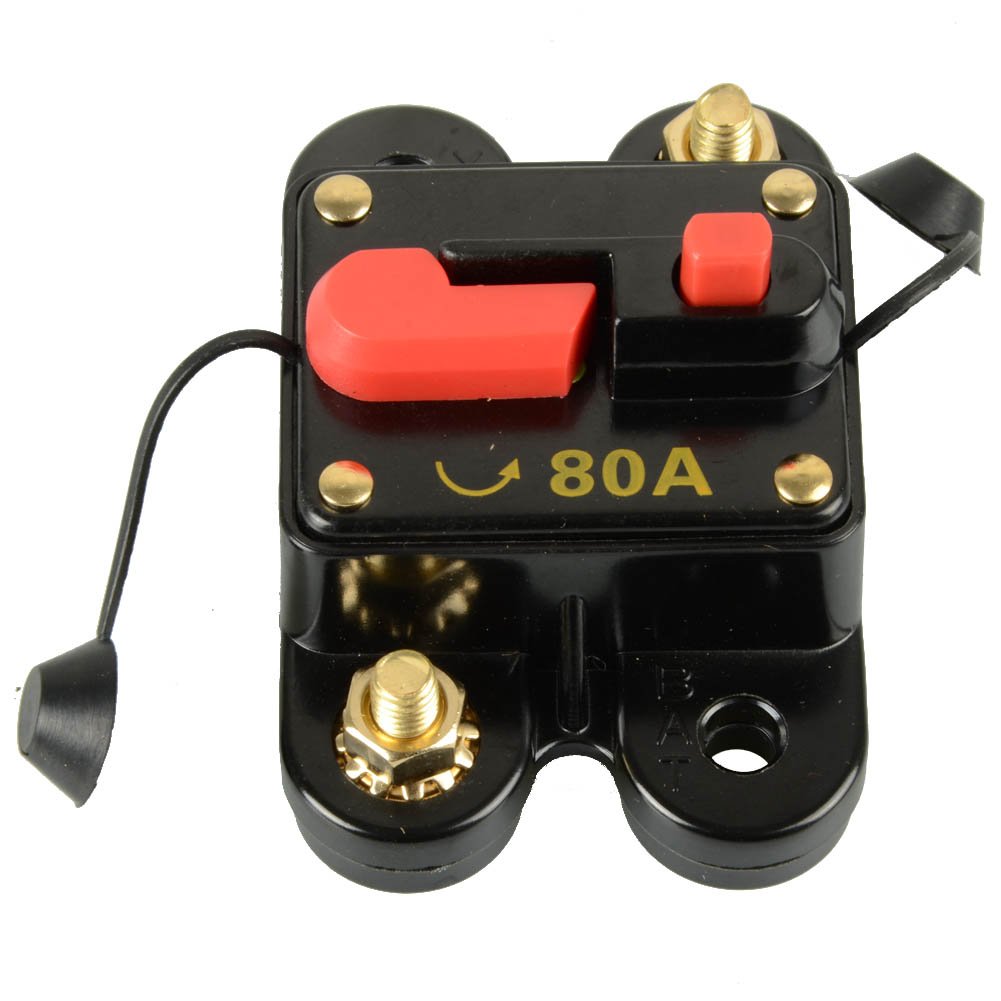
 
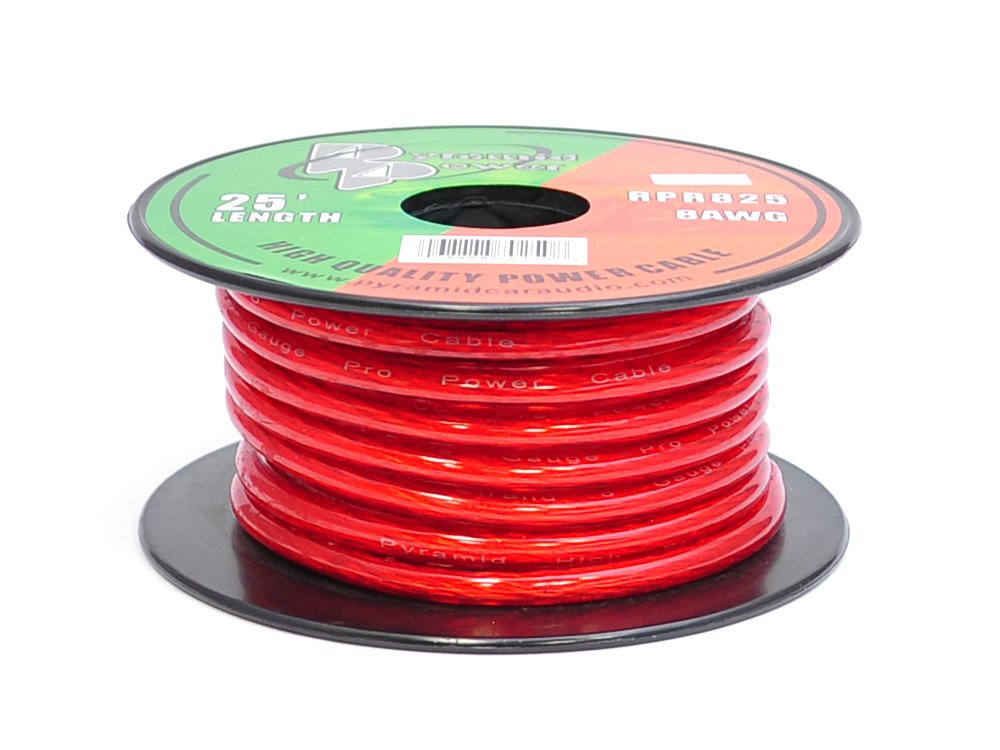
Ok so I got the panel installed and test fitted the fridge and storage containers. I ordered some of this
61xWYkRpK5L._SL1000_.jpg


and one of these

61nSJV9EpeL._SL1001_.jpg


and got one of these

61uwOhVoRGL._SL1000_.jpg


Now my question is, can I mount the fuse box in the rear for ease of wiring the 12v panel I have or do I have to mount it up front?
 
If you run that 8g cable to the back, that's going to service that entire fuse block.

Ideally you would want a fat cable from front to back then you can feed 8, 12, whatever off the fuse block to the devices as needed.

Otherwise, you come off the block which would be up front close to battery and feed say 8g to the fridge.

think of it like your house. You have the fat wire coming in, then you branch with smaller wire. BUT... let's say you build a detached 3 car gar 100' from your house. If you run it off your main house, then you run another fat wire from house to garage,,, then branch off that for your lights and tools.

You can sit down and figure all that out in advance and leave a safety margin. An electrician can figure it for you in a few minutes or there are probably online calculators that let you configure systems and tells you what size wires are needed.

But instead of saying 'I might add "X", You need to figure what X draws. .. and probably figure in a couple of Ys and Zs as well... then design for a bit of overkill. IOW.. don't guess it through... you can actually come up with some very close figures.
 
If you run that 8g cable to the back, that's going to service that entire fuse block.

Ideally you would want a fat cable from front to back then you can feed 8, 12, whatever off the fuse block to the devices as needed.

Otherwise, you come off the block which would be up front close to battery and feed say 8g to the fridge.

think of it like your house. You have the fat wire coming in, then you branch with smaller wire. BUT... let's say you build a detached 3 car gar 100' from your house. If you run it off your main house, then you run another fat wire from house to garage,,, then branch off that for your lights and tools.

You can sit down and figure all that out in advance and leave a safety margin. An electrician can figure it for you in a few minutes or there are probably online calculators that let you configure systems and tells you what size wires are needed.

But instead of saying 'I might add "X", You need to figure what X draws. .. and probably figure in a couple of Ys and Zs as well... then design for a bit of overkill. IOW.. don't guess it through... you can actually come up with some very close figures.
& [MENTION=95539]SIRWILLYSC[/MENTION]
A rear panel is good if you plan on adding other accessories in the rear, however that 80A breaker is too big for 8 gauge wire. if you want an 80 amp panel in the back you should use 4 or maybe 6 gauge wire; 8 gauge should be good for 40 amps (both of these are for non-critical, 10% voltage drop). to use the wire you would just need to replace the breaker with the appropriate fuse or breaker.

The circuit length will be much longer than you expect when you start routing the wire to keep everything hidden, its not a straight shot and it adds up. I would guess ~30' circuit length to get to the back and use a ground somewhere in the back.

If you pull an individual circuit, size it as voltage critical (i.e. <3% voltage drop), fridges can be picky about this especially since it has an automatic shutoff

I recommend you use the american boat & yacht wiring standards (ABYC E-11), it assumes harsh conditions and has greater factor of safety than your basic wiring chart (even your basic chart 8 gauge is too small for 80A)

(to give you an idea of what loads to expect, your fridge is probably 7A or 8A max but will typically only pull a few amps when running)

references for wire and breaker sizing. remember the fuse/breaker protects the wire, it can be smaller than that (as long as it isn't smaller than the load) but it can not be larger
https://www.bluesea.com/resources/1437
https://www.westmarine.com/WestAdvisor/Marine-Wire-Size-And-Ampacity
tables start on p23 https://www.paneltronics.com/atimo_s/news/E11Excerpts.pdf
 
Last edited:
& [MENTION=95539]SIRWILLYSC[/MENTION]
A rear panel is good if you plan on adding other accessories in the rear, however that 80A breaker is too big for 8 gauge wire. if you want an 80 amp panel in the back you should use 4 or maybe 6 gauge wire; 8 gauge should be good for 40 amps (both of these are for non-critical, 10% voltage drop). to use the wire you would just need to replace the breaker with the appropriate fuse or breaker.

The circuit length will be much longer than you expect when you start routing the wire to keep everything hidden, its not a straight shot and it adds up. I would guess ~30' circuit length to get to the back and use a ground somewhere in the back.

If you pull an individual circuit, size it as voltage critical (i.e. <3% voltage drop), fridges can be picky about this especially since it has an automatic shutoff

I recommend you use the american boat & yacht wiring standards (ABYC E-11), it assumes harsh conditions and has greater factor of safety than your basic wiring chart (even your basic chart 8 gauge is too small for 80A)

(to give you an idea of what loads to expect, your fridge is probably 7A or 8A max but will typically only pull a few amps when running)

references for wire and breaker sizing. remember the fuse/breaker protects the wire, it can be smaller than that (as long as it isn't smaller than the load) but it can not be larger
https://www.bluesea.com/resources/1437
https://www.westmarine.com/WestAdvisor/Marine-Wire-Size-And-Ampacity
tables start on p23 https://www.paneltronics.com/atimo_s/news/E11Excerpts.pdf


Okay, so Im returning the 8ga for 4ga wire which I was contemplating anyways so I wouldn't loose any power.

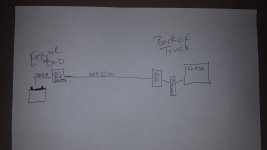
below is how I plan to run everything let me know if this is the right way. Sorry for the crappy drawing!!! hopefully you get the idea

Run 4ga wire from the battery to 80amp fuse/breaker
4ga from breaker to fuse block mounted in rear of truck
run wires from fuse block to the panel mounted in rear that has 12v , USB, and volt meter.
Plug fridge into this panel
 

Attachments

  • 20170612_145930.jpg
    20170612_145930.jpg
    146 KB · Views: 951
4g will still only give you 40Amps.

Someone said count on 30 feet of wire.

per that chart page 23

12V 3%
40 Amps ( left column )
30 Feet ( top row )
4g Intersection.


You would need 1g wire to run 30 feet at 80Amp with 3% loss.

At least that's how I'm reading it. Someone correct me if I'm wrong.

I need to do this as well and understand the concepts but not the specifics.
 
4g will still only give you 40Amps.

Someone said count on 30 feet of wire.

per that chart page 23

12V 3%
40 Amps ( left column )
30 Feet ( top row )
4g Intersection.


You would need 1g wire to run 30 feet at 80Amp with 3% loss.

At least that's how I'm reading it. Someone correct me if I'm wrong.

I need to do this as well and understand the concepts but not the specifics.

He wouldn't need the entire panel sized for 3% loss, 10% is fine in this layout. The only reason he would need the entire panel sized for 3% loss is if you were using most of the capacity of the panel and all of your loads were voltage sensitive.

With only the fridge being voltage sensitive his setup as drawn will be fine
[MENTION=95539]SIRWILLYSC[/MENTION] that layout looks fine, just don't forget grounds when you calculate circuit length
 
He wouldn't need the entire panel sized for 3% loss, 10% is fine in this layout. The only reason he would need the entire panel sized for 3% loss is if you were using most of the capacity of the panel and all of your loads were voltage sensitive.

With only the fridge being voltage sensitive his setup as drawn will be fine

[MENTION=95539]SIRWILLYSC[/MENTION] that layout looks fine, just don't forget grounds when you calculate circuit length
Great thanks. I will hopefully have everything installed this Thursday. I wish that I was able to just always on the factory outlet without being an issue, this has been a damn headache!!!

Sent from my SAMSUNG-SM-G890A using Tapatalk
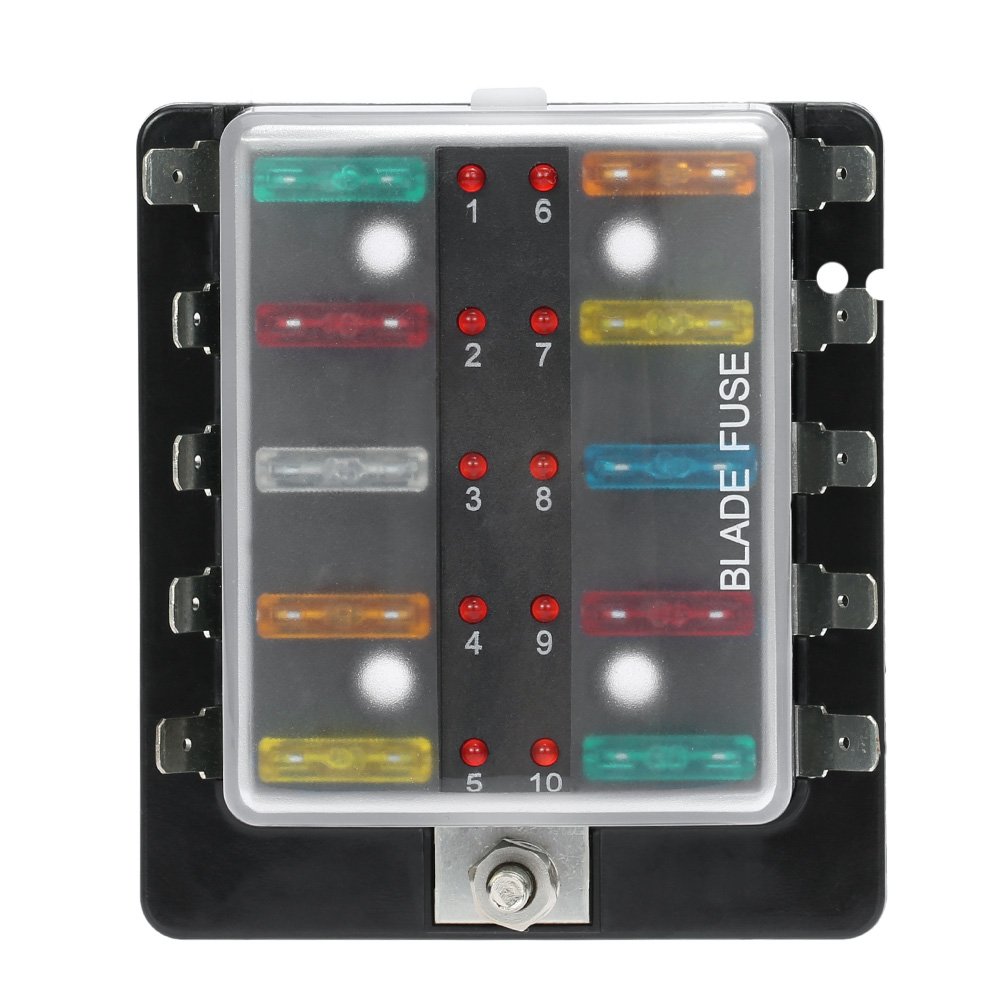
 
in all fairness for just a fridge this is more work than you need, you could just run that 8 gauge to a 12v i the rear and be done. You could even tap a USB charger and voltmeter off that line.
 
Oh ok, thanks.

So he's doing the 80/40ft/4 at 10% ( 30ft would have been 6g )

So he's going a little over on wire but will actually have mild loads.
 
yeah there is a very good chance that his panel circuit length as installed will be short enough that AWG 6 is fine, but i didn't know where his panel or ground would be so i suggested 4 since it should cost basically the same
 
in all fairness for just a fridge this is more work than you need, you could just run that 8 gauge to a 12v i the rear and be done. You could even tap a USB charger and voltmeter off that line.


So your saying that I can run the wire, no fuse no nothing straight back to the panel? How would I split up the one wire to go into the 3 separate places on the panel that each have a positive and negative
 
You couls run the wire, with a fuse at the battery, straight back to a 12v outlet in the back and tap a usb and voltmeter off the line.

Sent from my SM-G930V using Tapatalk
 
A fuse is to protect the wire, so any fuse between the max amps for the wire and your total load, maybe a 20A or 30A for this use

Sent from my SM-G930V using Tapatalk
 

Members online

Forum statistics

Threads
278,306
Messages
3,554,045
Members
248,016
Latest member
Advally Service

Trending content

Back
Top