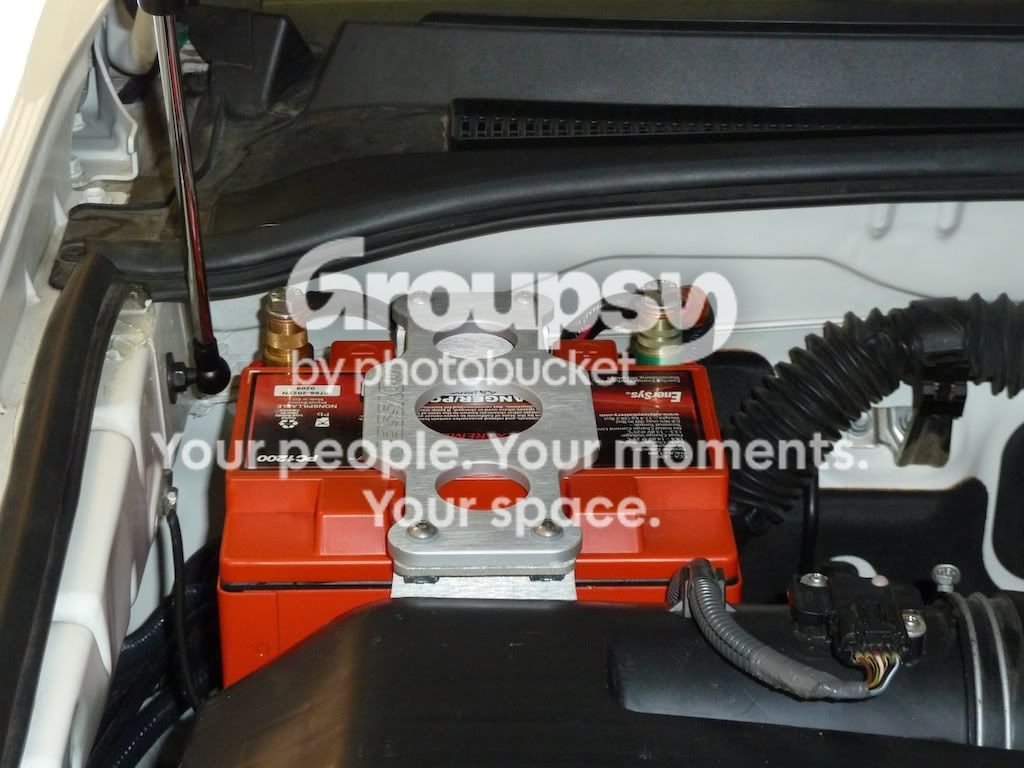
Thought when you run dual battery they need to be of the same king I.e. two red tops or yellow tops etc its is recommended from what I have been researching tho it could be wrong.
I surely hope its wrong cause then it will cut down on the amount i have to pay for another red top by just going with a ody
My personal preference is Odyssey or Sears Diehard Platinum (made by Odyssey). I'm in the process of trying to stuff a Group 31 (100 Amp Hour) battery on the passenger fender aft of the air intake. I'ts going to be TIGHT!
It is
optimal for the batteries to match, but not required. Meaning you can mix SIZE, but shouldn't mix TYPE.
With Solenoid combiners, you should NOT mix battery types. Both batteries should be of the same composition, for example, both AGM, or both Flooded Cell. Having a stock battery (flooded cell) with a house AGM battery is not recommended if you are using an unintelligent solenoid to link the batteries for charging. Reason: AGM batteries recover/charge faster, and unintelligent systems combine the batteries for as long as your engine is running, resulting in over-charging of the AGM battery.
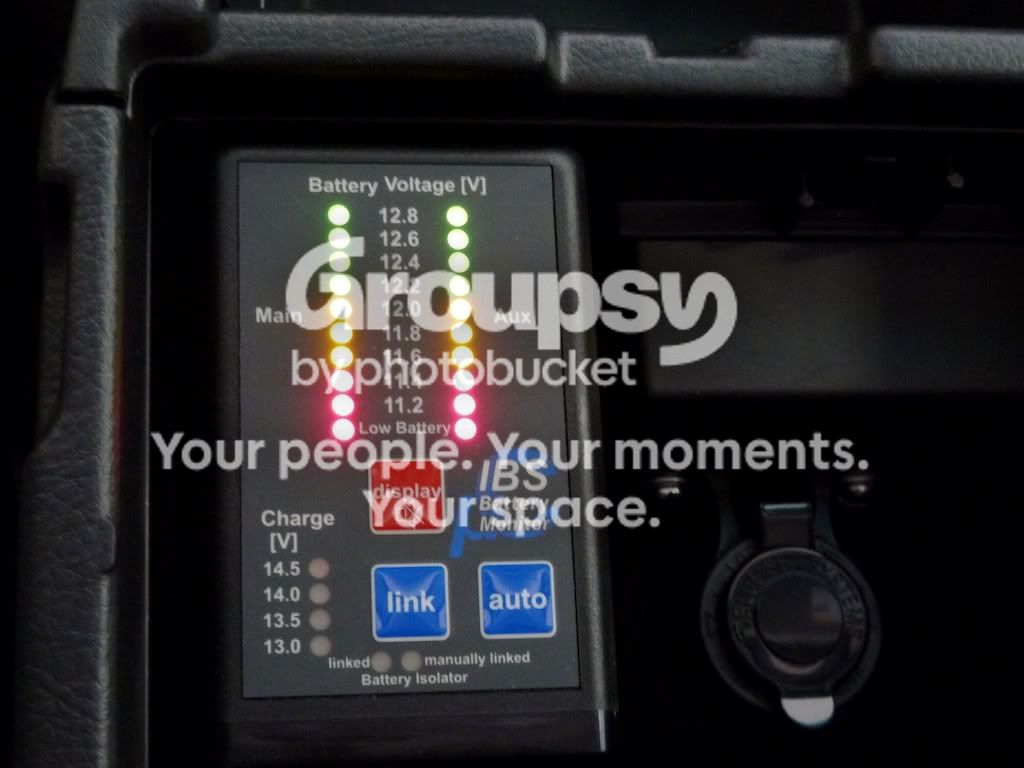
You can avoid this conundrum by using an intelligent relay controller, like IBS, that monitors the voltage of the main and house batteries independently and automatically isolates the batteries when the house battery has all the charge it needs, and reconnects them when it needs it.
If you're using a Solenoid switched on by an ignition source, or using a Blue Sea Automatic Charging Relay that connects the batteries anytime voltage is greater than 13.2~ volts, then you should match composition on the batteries.
There are also solid state relays available. I recently wired up a couple AGM batteries in a '05 4Runner using one, very slick.
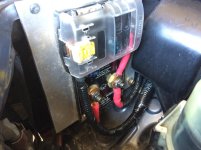
You should be careful of your pairing method with regards to winching. Especially with the engine off (not recommended, always winch with the alternator providing a charge). If the winch draws a heavy current (high amps), and your solenoid (maximum amps 50-200), or your automatic charging relay (200-500 amps), or the solid state relay like I show here (100 amps max) endures that load, you're going to have trouble. Under a decent winching load, a winch could pull 250-500 amps, depending on how you use it. A stock battery (50-70 amp hour) will drop below 10 volts (damaging now occurring) in short order under heavy load.
In short, the pairing method, the circuit breakers between the batteries; all of their amp ratings are very important to the purposes you intend to use them in.