HEADLIGHT (w/ DAYTIME RUNNING LIGHT)
1. DAYTIME RUNNING LIGHT OPERATION
When the engine is started, voltage generated at TERMINAL L of the generator is applied to TERMINAL 11 of the daytime
running light relay (Main).
If the parking brake lever is pulled up (Parking brake SW on) at this time, the relay is not activated so the daytime running
light system does not operate. If the parking brake lever is then released (Parking brake SW off), a signal is input to
TERMINAL 8 of the relay. This activates the relay, so current flows from battery to the HEAD relay (Point side) to TERMINAL
4 of the DIMMER relay to TERMINAL 1 to HEAD (LO LH), (LO RH) fuse to TERMINAL 1 of the headlights to TERMINAL 3 to
TERMINAL 1 of the daytime running light resistor to TERMINAL 2 to GROUND. This causes the headlights to light up (The
headlights light up dimmer than full brightness.).
Once the daytime running light system operates and headlights light up, headlights remain on even if the parking brake lever
is pulled up (Parking brake SW on).
If the engine stalls and the ignition SW remains on, headlights remain lighted up even though current is no longer output
from TERMINAL L of the generator. If the ignition SW is then turned off, the headlights go off. If the engine is started with the
parking brake lever released (Parking brake SW off), the daytime running light system operates and the headlights light up
when the engine starts.
2. HEADLIGHT OPERATION
When the light control SW is switched to HEAD position, current flows from the DRL fuse to TERMINAL 4 of the daytime
running light relay no. 4 to TERMINAL 3 to TERMINAL 1 of the diode (Daytime running light no. 1) to TERMINAL 2 to
TERMINAL (E) 5 of the combination meter to TERMINAL (E) 1 to TERMINAL 13 of the light control SW to TERMINAL 16 to
GROUND, activating the daytime running light relay no. 4. Current then flows from the HEAD (LO LH), (LO RH) fuse to
TERMINAL 1 of the headlights to TERMINAL 3 to TERMINAL 2 of the daytime running light relay no. 4 to TERMINAL 1 to
GROUND, causing the headlights to light up at normal intensity.
When the dimmer SW is switched to the HIGH position, the signal from the dimmer SW is input to the daytime running light
relay (Main). This activates the relay and current flows from TERMINAL 4 of the DIMMER relay to TERMINAL 2 to
TERMINAL 17 of the daytime running light relay (Main), activating the DIMMER relay.
This causes current to flow from TERMINAL 4 of the DIMMER relay to TERMINAL 3 to HEAD (HI LH), (HI RH) fuse to
TERMINAL 2 of the headlights to TERMINAL 3 to TERMINAL 2 of the daytime running light relay no. 4 to TERMINAL 1 to
GROUND, causing the headlights to light up at high beam.
When the dimmer SW is switched to FLASH position, the daytime running light relay (Main) is activated and current flows
from TERMINAL 4 of the DIMMER relay to TERMINAL 3. Current from the DRL fuse flows to TERMINAL 4 of the daytime
running light relay no. 4 to TERMINAL 3 to TERMINAL 1 of the diode (Daytime running light no. 1) to TERMINAL 2 to
TERMINAL 1 of the diode (Daytime running light no. 2) to TERMINAL 2 to TERMINAL 8 of the dimmer SW to TERMINAL 16
to GROUND, and also flows from the HEAD (HI LH), (HI RH) fuse to TERMINAL 2 of the headlights to TERMINAL 3 to
TERMINAL 2 of the daytime running light relay no. 4 to TERMINAL 1 to GROUND, causing the high beam to operate.
HEAD RELAY [ENGINE ROOM R/B]
2−1 : Closed with light control SW at HEAD position or dimmer SW at FLASH position
Closed with engine running and parking brake lever released
DIMMER RELAY [ENGINE ROOM R/B]
Changes from HEAD(LO) to HEAD(HI) with dimmer SW at FLASH position or with HEAD relay on and dimmer SW at HIGH
position



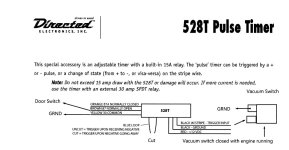
 Maybe I can wire some sort of pulse to my AUX button for window roll downs to make it trigger that I opened the door... Otherwise just learning to keep the headlights turned off should be easy enough once I get a dead battery or two haha.