SURF RUNNER
Senior Member
I just got a big upgrade to my charging system today… I’m pretty excited about the results. I replaced my original starter from 2001 with a remanufactured OEM starter from Toyota about 6 months ago, so I should be good in the starting/charging department for a long time.
My original 2001 80 Amp alternator finally started to crap out on me. It drained a new Interstate battery in two days, so I finally took the plunge for a serious upgrade. I always do a lot of research before I make big purchases for my 4Runner, so I like to share my results if I have a good outcome.
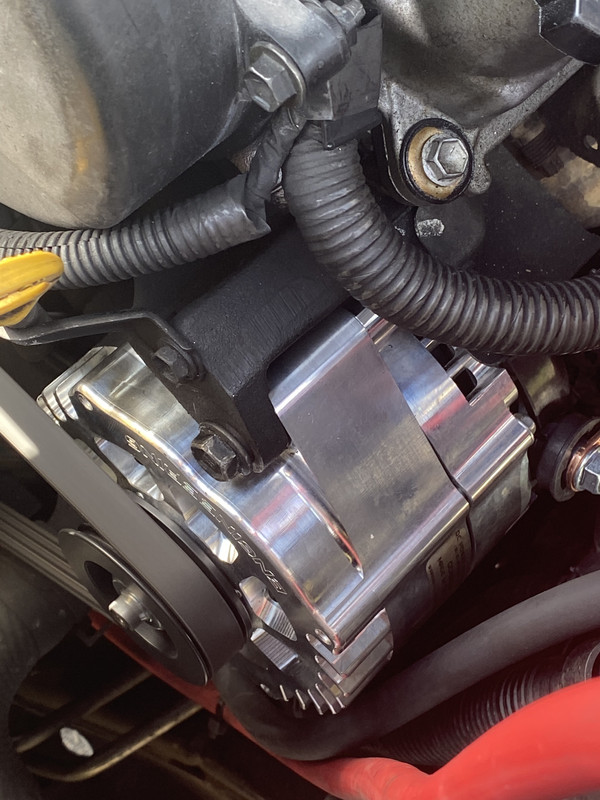
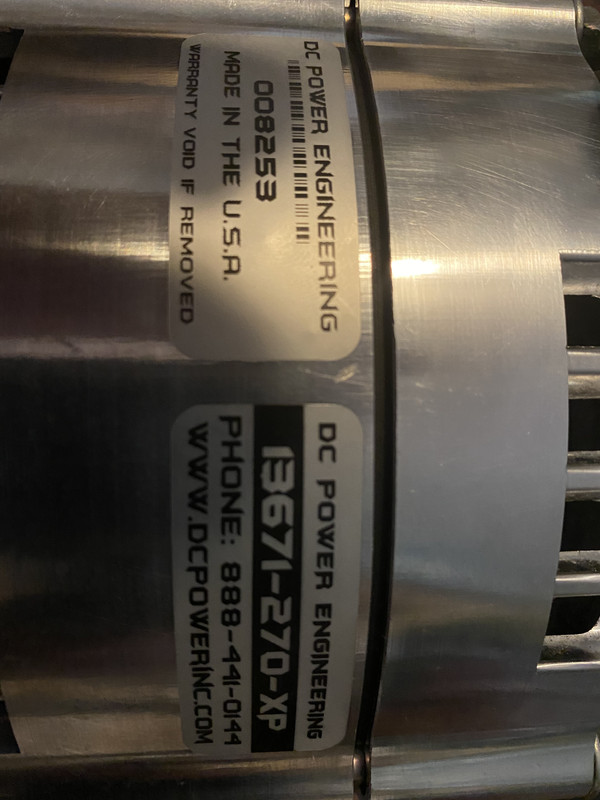
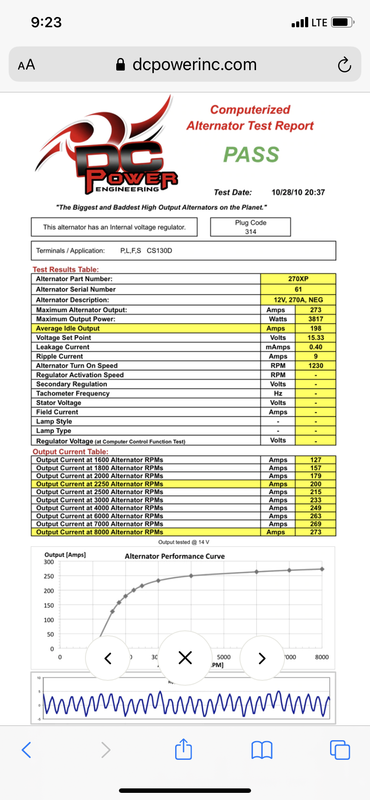
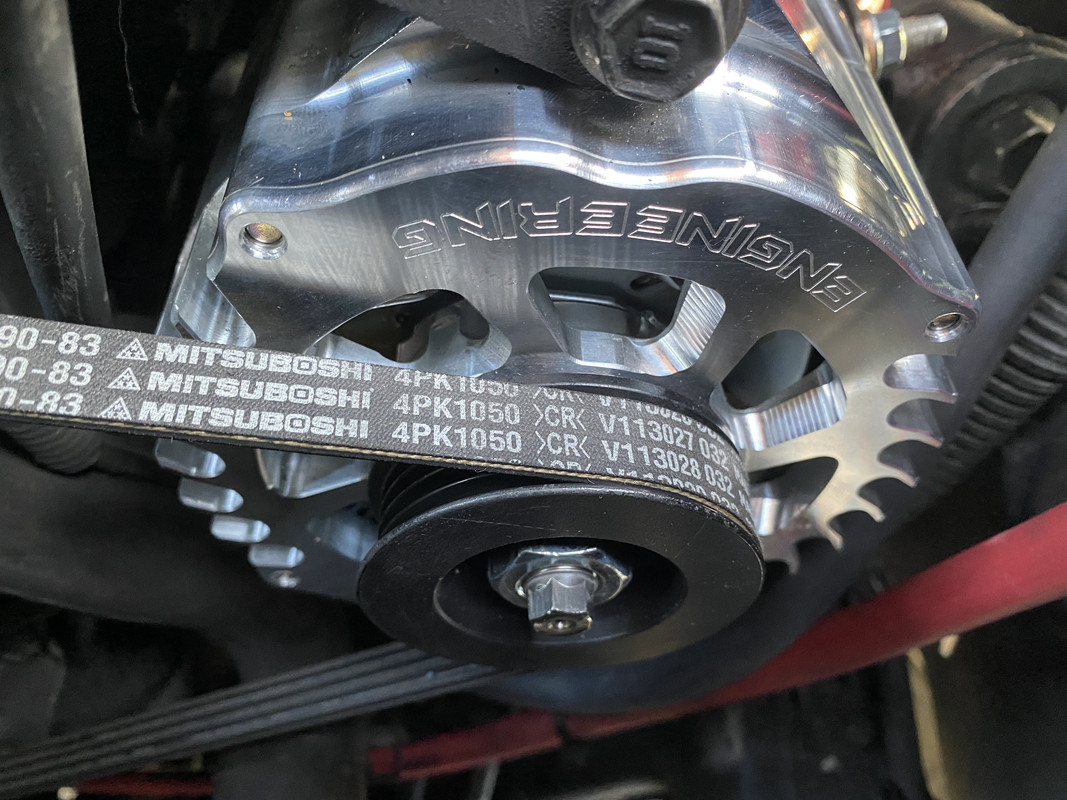
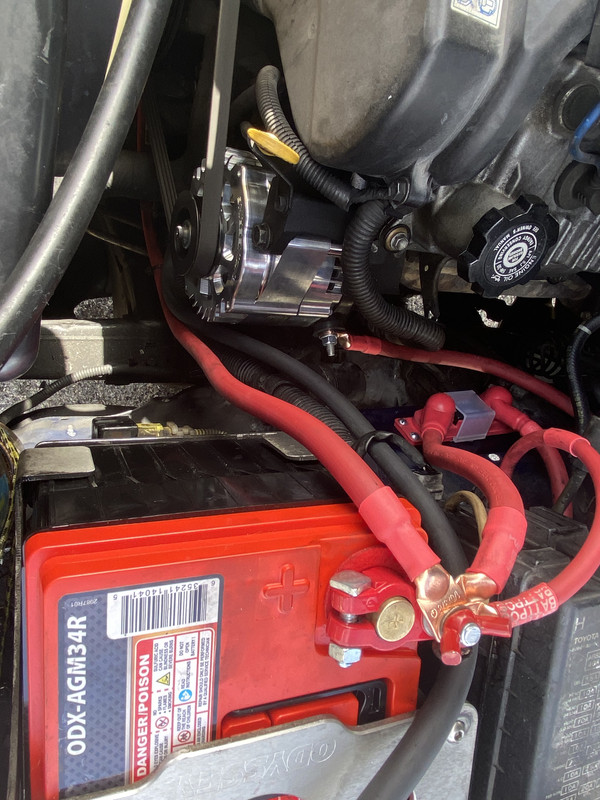
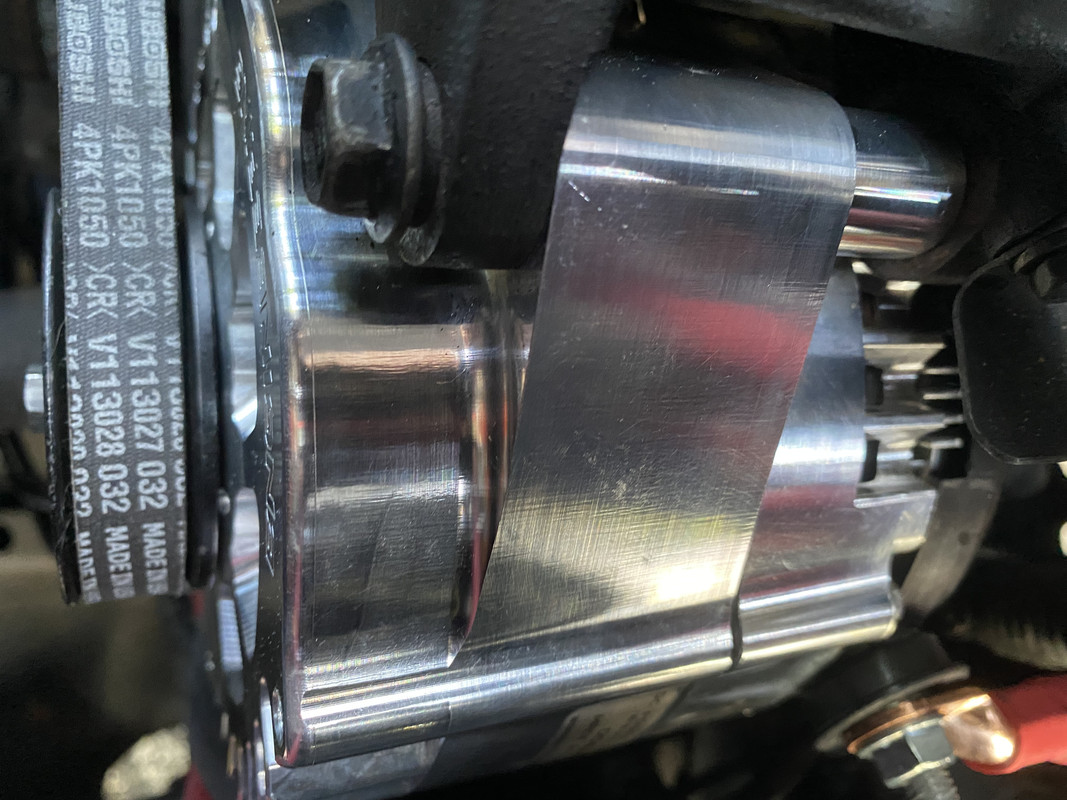
I decided on a DC Power 270-XP alternator. I opted for the rear billet aluminum for $75 extra so that the entire unit would have the same appearance and finish. I know that 270 Amps seems like overkill, but remember that 270 Amps occurs only at 8000 RPMs at optimum operating temperatures. At idle the true amperage is listed at 198. According to their chart amps can go as low as 127 in certain conditions, but that should be the absolute lowest output in any operating condition. I included a screenshot of the 270-XP performance test results (from the DC Power website) as photo #4 so you can review their data for yourself. My new alternator was delivered about 3 and a half weeks after my order was placed, so give yourself some time if you buy one of these. As you can probably see in the photos the 270-XP is almost a work of art when you look at it.
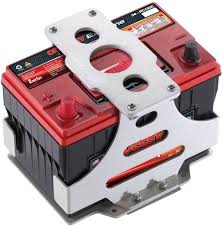
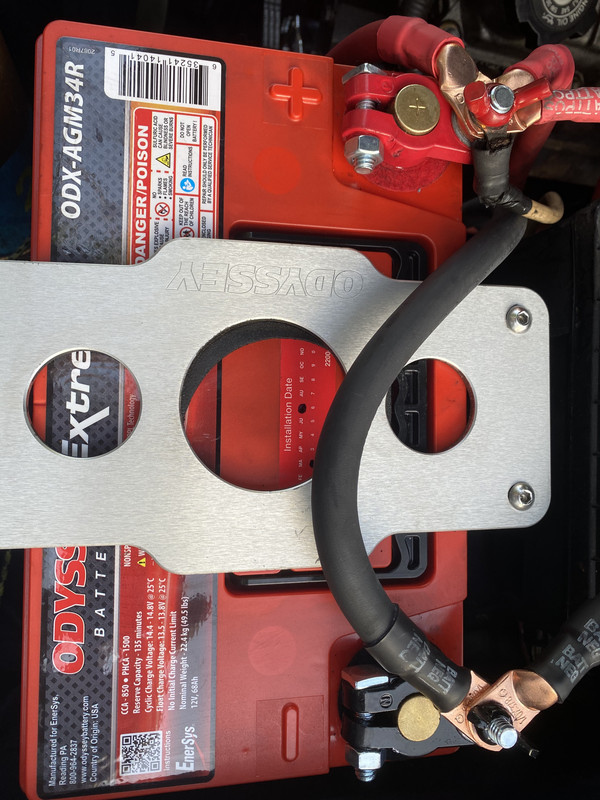
I already have an Odyssey battery holder installed, so I went with an Odyssey 34R AGM battery. This battery weighs 49.5 pounds and has 850 cold cranking amps.
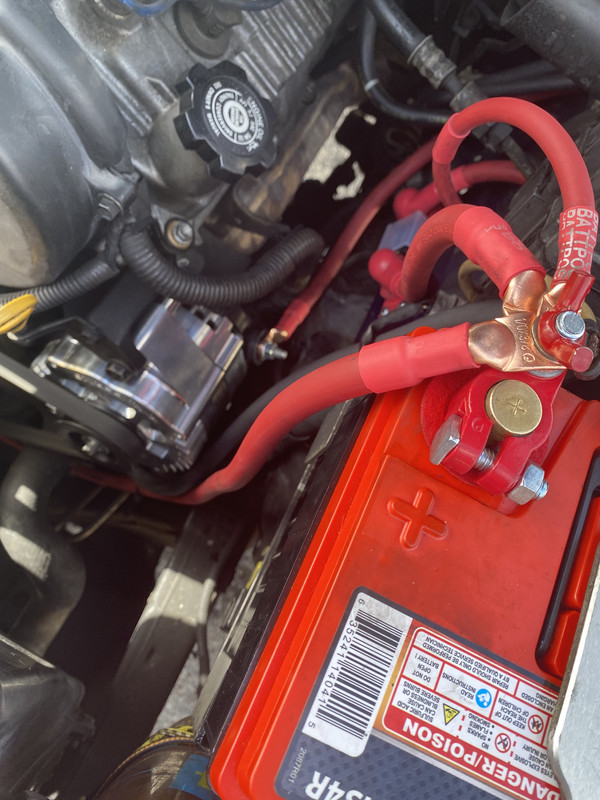
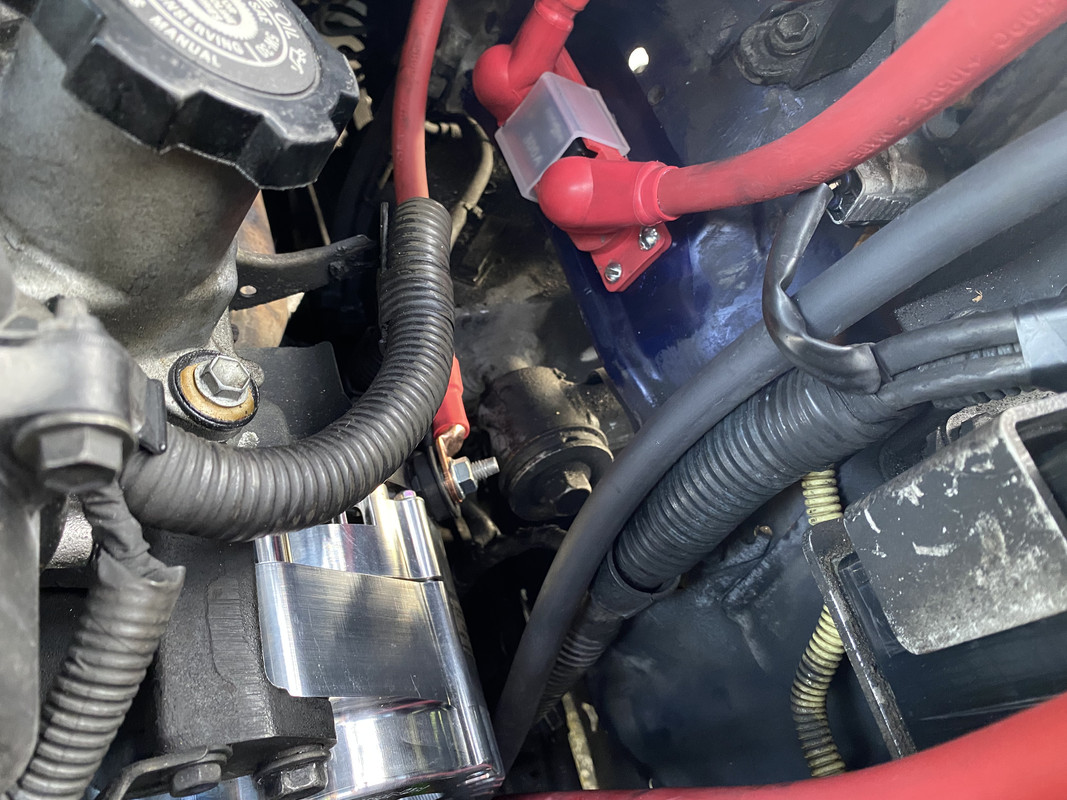
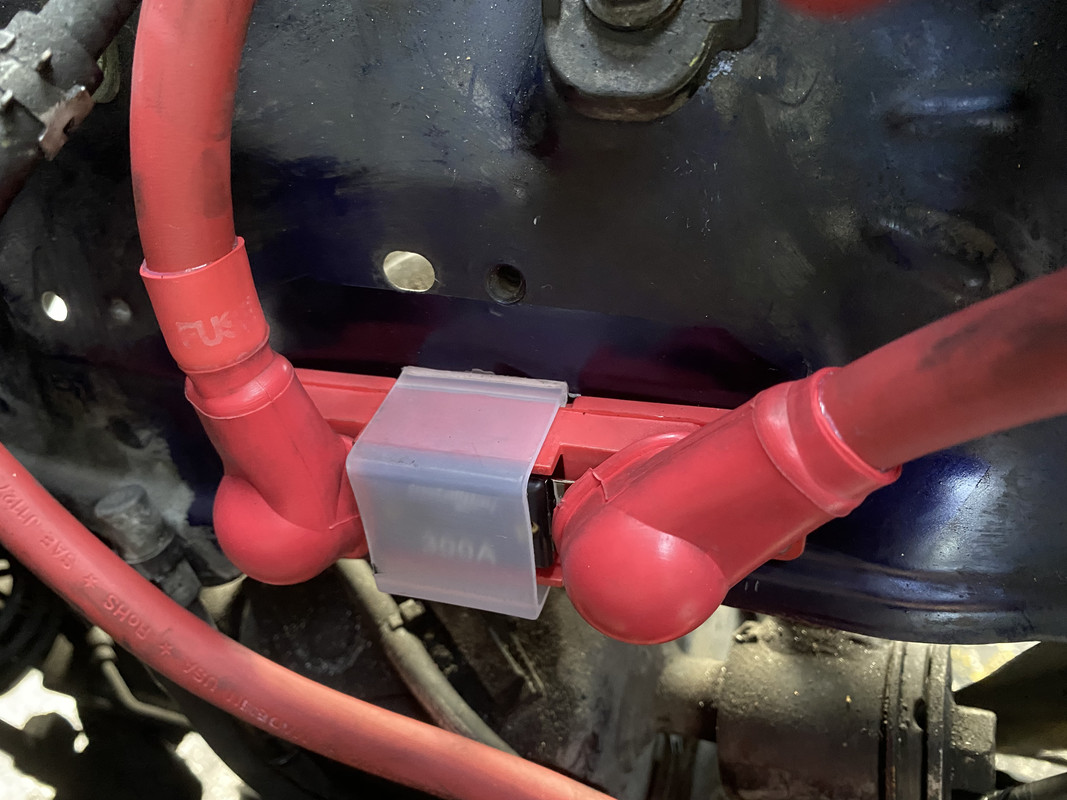
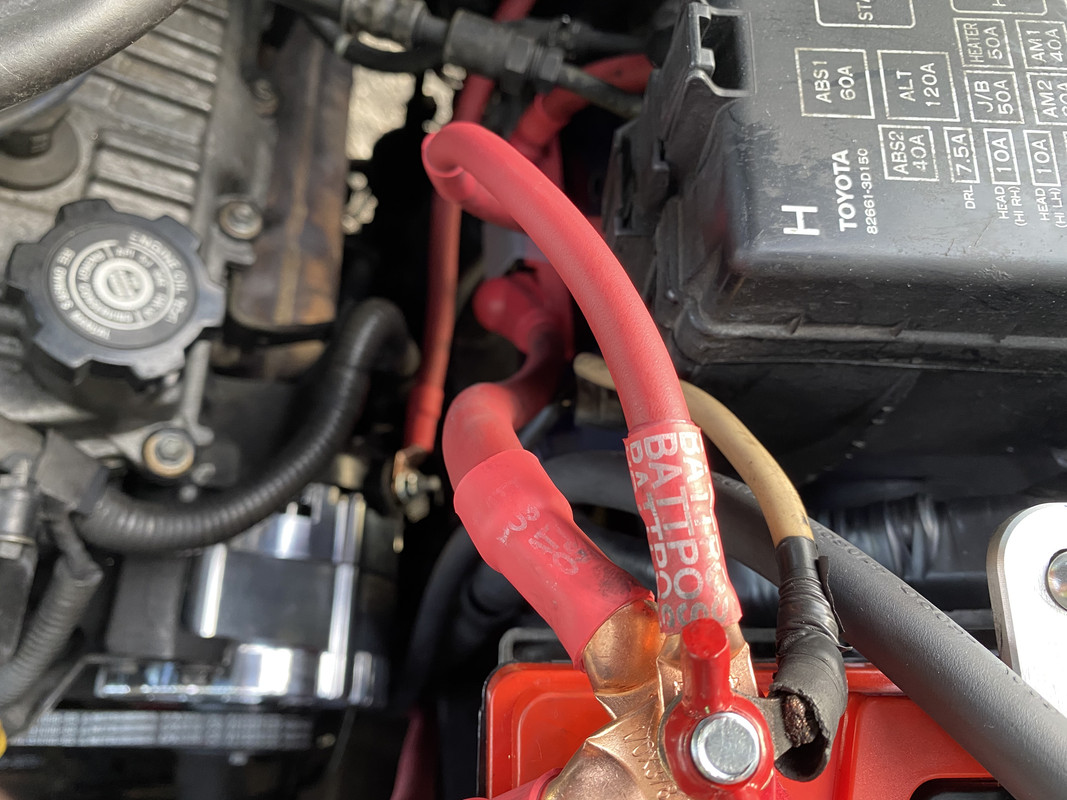
To tie everything together I bought the thickest gauge wire set that JeepCables offered. The kit I purchased is specifically designed for 3rd Gen 4Runners. The Big 7 kit for 3rd Gens actually has 6 cables, not 7. I spoke to an experienced rep at the company to confirm that I had everything in the package. The cables are labeled on each and every end to make things easier for you or your mechanic. An exterior fuse attachment is included with four fuses with different amperage ratings. I mounted mine on the inside fender below the fuse box just a few inches back. You can see where I mounted this in photos #5 and #6. I installed the fuse holder by drilling 4 small holes and used the 300 amp fuse that was supplied.
My 4Runner drives great now. It is unreal how many issues can be tied to a weak link (or several weak links) in your charging system.
My original 2001 80 Amp alternator finally started to crap out on me. It drained a new Interstate battery in two days, so I finally took the plunge for a serious upgrade. I always do a lot of research before I make big purchases for my 4Runner, so I like to share my results if I have a good outcome.
I decided on a DC Power 270-XP alternator. I opted for the rear billet aluminum for $75 extra so that the entire unit would have the same appearance and finish. I know that 270 Amps seems like overkill, but remember that 270 Amps occurs only at 8000 RPMs at optimum operating temperatures. At idle the true amperage is listed at 198. According to their chart amps can go as low as 127 in certain conditions, but that should be the absolute lowest output in any operating condition. I included a screenshot of the 270-XP performance test results (from the DC Power website) as photo #4 so you can review their data for yourself. My new alternator was delivered about 3 and a half weeks after my order was placed, so give yourself some time if you buy one of these. As you can probably see in the photos the 270-XP is almost a work of art when you look at it.
I already have an Odyssey battery holder installed, so I went with an Odyssey 34R AGM battery. This battery weighs 49.5 pounds and has 850 cold cranking amps.
To tie everything together I bought the thickest gauge wire set that JeepCables offered. The kit I purchased is specifically designed for 3rd Gen 4Runners. The Big 7 kit for 3rd Gens actually has 6 cables, not 7. I spoke to an experienced rep at the company to confirm that I had everything in the package. The cables are labeled on each and every end to make things easier for you or your mechanic. An exterior fuse attachment is included with four fuses with different amperage ratings. I mounted mine on the inside fender below the fuse box just a few inches back. You can see where I mounted this in photos #5 and #6. I installed the fuse holder by drilling 4 small holes and used the 300 amp fuse that was supplied.
My 4Runner drives great now. It is unreal how many issues can be tied to a weak link (or several weak links) in your charging system.
Last edited: