OILs: comparing synthetic vs conventional

I do see a flaw with this method because you can't get to all the bolts easily. On the driver side, the plenums are in the way for the bolts on the upper part of the valve cover. On the passenger side, the throttle body get's in the way of removing the wiring loom which blocks the upper bolts on that side. So, at the very least, the plenums and throttle body have to come off.

In order to tighten the bolts evenly, which you really should be trying to do, you still have to remove parts off the engine. So, why not just keep going and remove the valve covers and get the leak stopped the first time around. There's a very good chance part or all of the leaking could be coming from the half moons or cam plugs and tightening the bolts isn't going to do anything for a leak coming from those areas.

Timmy the Toolman's two cents.

Yea, that makes sense on the 5VZ. On my 3RZ it's all easily accessible without removing anything.
 
Why 5W-20? A bit light don't you think?
Especially for CA?

Thicker the oil, the more it resists flow. Flow resistance increases pressure — increased pressure translates to heat — too much heat hurts engines. Thinner oil flows faster and gets cooled quicker.

Oil thickness doesn't protect engines. The additives protect the engine and keep the parts from touching each other. Thinner oil effectively gets into smaller spaces and helps prevent wear by also creating a wedge between components. Thinner oil gets into all the nooks & crannies quicker and then flows back out or away quicker, to where it can be filtered and cooled before going back again.

I'd run 0w20 if I could, but on an engine with 400,000 miles, I don't want to drop the oil pressure too much. If the engine was newer and had tighter tolerances, I would try out 0w20.
 
Just tighten the valve cover bolts a half a turn & they should stop leaking. The torque specs are so low on those I bet they vibrate loose. It worked for me.

Yeah I do this on occasion and it helps for a while then they loosen up again.

One of these days I'll get to replacing them. Right now I have tastier fish to fry. :D
 
I switched over to castrol synthetic. It's expensive compared to regular castrol. But I trust castrol because, well look at the TOMs supra. Castrol all over it lol. Anyways, I noticed differences types of castrol synthetics. One with Titaniums.
 
I planned on doing the gasket too if it didn't work. Then I was like what the hell might as well get the valve cover powder coated too! I saved a lot of money & time just by turning a socket. Clean the area with some degreaser & see if it gets wet again.

Don't neglect to do the cam plugs at the back of the engine when doing the valve covers.
 
So thinner is better, except when it's not?

btw not much difference between 0w20 and 5w20 when it's warm.
I think your math is wrong.


Thicker the oil, the more it resists flow. Flow resistance increases pressure — increased pressure translates to heat — too much heat hurts engines. Thinner oil flows faster and gets cooled quicker.

Oil thickness doesn't protect engines. The additives protect the engine and keep the parts from touching each other. Thinner oil effectively gets into smaller spaces and helps prevent wear by also creating a wedge between components. Thinner oil gets into all the nooks & crannies quicker and then flows back out or away quicker, to where it can be filtered and cooled before going back again.

I'd run 0w20 if I could, but on an engine with 400,000 miles, I don't want to drop the oil pressure too much. If the engine was newer and had tighter tolerances, I would try out 0w20.
 
Last edited:
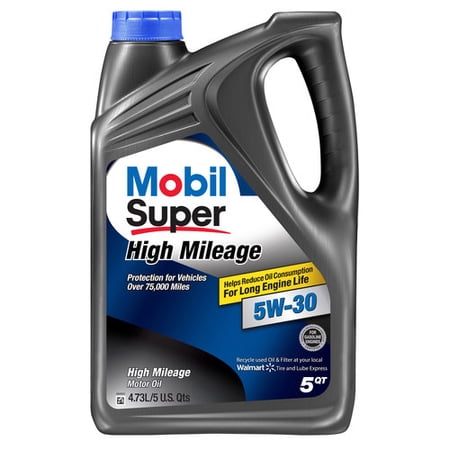
Mobil Super High Mileage motor oil is what I use, it's $15 and change for 5 QT's at Walmart. It's synthetic blend I believe...

14ea2f53-da57-43a2-887b-44f5e3cd15a6_1.31be95d266460bd6a9d7e3917e88a7ee.jpeg


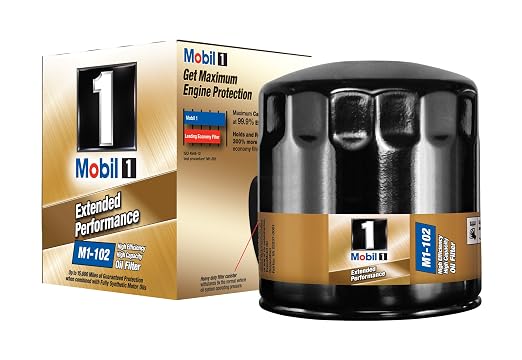
As for the filter, I use Mobil 1 Extended Performance filter:

81AZSD4UdcL._SX522_.jpg


I change both every 3K miles, like clockwork!
 
Yeah I do this on occasion and it helps for a while then they loosen up again.

One of these days I'll get to replacing them. Right now I have tastier fish to fry. :D

Hey Woody, do you have a 4 cylinder or 6 cylinder? If 6 cylinder, are you actually removing the plenums and tightening the "All" the bolts every time?
 
So thinner is better, except when it's not?

btw not much difference between 0w20 and 5w20 when it's warm.
I think your math is wrong.


I never said there was a difference when those grade oils are warm. Nor did I imply it. I never even compared those oils to each other.

Admittedly I typed that post out while in the middle of a 500 mile trip today as the wife was inside a store during a pit-stop. Perhaps in my haste I wasn't very concise.

Let me try again now that I'm done driving for the day. Hopefully I can write this out quickly before I get so stoned that I start drifting off track and rambling — which I tend to do...a lot. And yes, I'm already stoned.

I'll try to make this brief...

As you know, most people run 5W30 in their 4runners — but I run 5W20. You asked me why I used it and I explained my reasonings for running 5W20 instead of 5W30. To recap, oil pressure is a measurement of the resistance to oil flow. So thinner oils flow quicker and reduce oil pressure. Thicker oils flow slower and increase oil pressure. Oil pressure doesn't lubricate or protect your engine — oil flow does.

I also added that I would run 0W20 if I thought the engine could handle the oil pressure decrease. However, I never compared 0W20 to 5W20.

But since you did, let's explore that for a minute.
First, let me preface this buy saying I'm not a mechanic or engineer. I'm just an old fat pothead. So I'm no expert on anything and people shouldn't believe anything I say.

Anyways, let's compare those two oils. 0W20 & 5W20 are multi-grade oils. Since both are 20 weight at operating temp the only real difference is the cold viscosity.

The cold viscosity is really what matters anyways since most engine wear happens at cold start-up before the oil has had time to be redistributed through all the nooks and crannies.

That said, in order to minimize cold startup engine wear — an oil that flows quickly and easily at startup is going to be superior to a thicker oil that takes longer to reach vital areas of the engine. That's not opinion but fact.

So if both oils act the same or very similar at operating temp but the 0w oil is superior at cold start up — why would anyone not choose the superior oil? Well, because thinner oil decreases oil pressure.

Older engines that were not designed with modern engine tolerances may not be able to maintain the proper oil pressure that the manufacture called for. So while the 0W20 oil is superior to thicker oil — it's not appropriate for every engine.

Modern engines have tighter internal tolerances than older engines. As such, modern engines make the proper oil pressure despite using thinner oil. Older engines and especially older high-mileage engine probably can't.

Again, it's not the oil thickness or pressure that protects the engine but the oil flow, if it were thickness — then people would be running straight 30 or 50 or whatever —but they don't.

I run 5W20 because it's the appropriate oil viscosity for my engine. The 20 weight is thinner at operating temp than 30, but not so thin that the proper oil pressure can't be maintained.

So 5W20 will flow better than 5W30 at operating temp and help keep my engine internals cooler without hotspots where thicker oils would stay longer and get hotter before they make their way back to the filter and cooler. 0W20 would be even better for my engine so long as the appropriate oil pressure is maintained.

In essence, thinner oil is more efficient at doing what oil does — prevent metal on metal contact, help cool the engine components and remove engine contaminants by carrying them to the filter where they can be removed. All of that falls under oil flow.

Thinner oil — is cooler oil, and we all know thermal breakdown occurs in oil when it reaches a specific temperature. So keeping the oil below that temp will help keep the oil from "wearing out" quicker — which of course means that it will have superior wear protection between oil changes.

At cold startup, the 5W20 is no different than any 5W30 oil — so I'm not seeing any added protection there. This I why I would switch to a zero weight oil if I felt that the engine would be fine with the lower pressure.

But since I have no means to determine what the pressure would be and I'm not a mechanic or engineer, I've decided to stay at 5W20 instead. If I had to guess though, I bet my truck would be fine with 0W20 too. But who knows...

Honestly this is all just splitting hairs. I'm not trying to convince anyone of anything. People should run whatever oil they want and just change it when they are supposed to.

Shit — I was rambling...

TL;DR: Thinner oil is just better at flowing — and flowing oil lubricates, cleans, cools and better protects engines — especially at startup. StreetCreeper is stoned as F**k

 
The thought of 5W20 makes me cringe, but keep us updated on it. I remember freaking out the first time I poured a bottle if 0W20. I thought all the bottles were contaminated because it ran out like water.
 
My bad.
You weren't recommending, just saying what you used.
Ramble on dude!

I never said there was a difference when those grade oils are warm. Nor did I imply it. I never even compared those oils to each other.

Admittedly I typed that post out while in the middle of a 500 mile trip today as the wife was inside a store during a pit-stop. Perhaps in my haste I wasn't very concise.

Let me try again now that I'm done driving for the day. Hopefully I can write this out quickly before I get so stoned that I start drifting off track and rambling — which I tend to do...a lot. And yes, I'm already stoned.

I'll try to make this brief...

As you know, most people run 5W30 in their 4runners — but I run 5W20. You asked me why I used it and I explained my reasonings for running 5W20 instead of 5W30. To recap, oil pressure is a measurement of the resistance to oil flow. So thinner oils flow quicker and reduce oil pressure. Thicker oils flow slower and increase oil pressure. Oil pressure doesn't lubricate or protect your engine — oil flow does.

I also added that I would run 0W20 if I thought the engine could handle the oil pressure decrease. However, I never compared 0W20 to 5W20.

But since you did, let's explore that for a minute.
First, let me preface this buy saying I'm not a mechanic or engineer. I'm just an old fat pothead. So I'm no expert on anything and people shouldn't believe anything I say.

Anyways, let's compare those two oils. 0W20 & 5W20 are multi-grade oils. Since both are 20 weight at operating temp the only real difference is the cold viscosity.

The cold viscosity is really what matters anyways since most engine wear happens at cold start-up before the oil has had time to be redistributed through all the nooks and crannies.

That said, in order to minimize cold startup engine wear — an oil that flows quickly and easily at startup is going to be superior to a thicker oil that takes longer to reach vital areas of the engine. That's not opinion but fact.

So if both oils act the same or very similar at operating temp but the 0w oil is superior at cold start up — why would anyone not choose the superior oil? Well, because thinner oil decreases oil pressure.

Older engines that were not designed with modern engine tolerances may not be able to maintain the proper oil pressure that the manufacture called for. So while the 0W20 oil is superior to thicker oil — it's not appropriate for every engine.

Modern engines have tighter internal tolerances than older engines. As such, modern engines make the proper oil pressure despite using thinner oil. Older engines and especially older high-mileage engine probably can't.

Again, it's not the oil thickness or pressure that protects the engine but the oil flow, if it were thickness — then people would be running straight 30 or 50 or whatever —but they don't.

I run 5W20 because it's the appropriate oil viscosity for my engine. The 20 weight is thinner at operating temp than 30, but not so thin that the proper oil pressure can't be maintained.

So 5W20 will flow better than 5W30 at operating temp and help keep my engine internals cooler without hotspots where thicker oils would stay longer and get hotter before they make their way back to the filter and cooler. 0W20 would be even better for my engine so long as the appropriate oil pressure is maintained.

In essence, thinner oil is more efficient at doing what oil does — prevent metal on metal contact, help cool the engine components and remove engine contaminants by carrying them to the filter where they can be removed. All of that falls under oil flow.

Thinner oil — is cooler oil, and we all know thermal breakdown occurs in oil when it reaches a specific temperature. So keeping the oil below that temp will help keep the oil from "wearing out" quicker — which of course means that it will have superior wear protection between oil changes.

At cold startup, the 5W20 is no different than any 5W30 oil — so I'm not seeing any added protection there. This I why I would switch to a zero weight oil if I felt that the engine would be fine with the lower pressure.

But since I have no means to determine what the pressure would be and I'm not a mechanic or engineer, I've decided to stay at 5W20 instead. If I had to guess though, I bet my truck would be fine with 0W20 too. But who knows...

Honestly this is all just splitting hairs. I'm not trying to convince anyone of anything. People should run whatever oil they want and just change it when they are supposed to.

Shit — I was rambling...

TL;DR: Thinner oil is just better at flowing — and flowing oil lubricates, cleans, cools and better protects engines — especially at startup. StreetCreeper is stoned as F**k
 
The 10w-30 Castrol High Mileage I used in my father's truck last week was the thinnest 10w oil I have ever seen. It poured like water.
 
Hi,

My 2.7 having 240+K on it,, definitely it had it fair share of wear.
I use FullySynthetic Oil and engine becoming nosier (can hear the camshaft spinning) after putting SemiSynthetic engine noises went down noticeably.

At that time i couldn't explain until i watched this video:
https://www.youtube.com/watch?v=lshd7WR-a6I

More comprehensive explanation of the above vid:
https://www.youtube.com/watch?v=3zEBI1QndPo

Summary: All what Eric is saying is true.
For me I will stick to SemiSynthetic. Even total price vs millage makes it same cost of putting conventional oil with more intervals.
Will never go with the conventional due to its characteristic + risk of break down if engine overheats + probable sludge overtime.

BTW: im using 10w-40 while OEM recommends 10w-30. Running fine, but if putting conventional 10w-40 i think its flow rate will cause issues especially when cold.
 
Last edited:
I'm not even going to read 1 post in this thread.

Another oil thread war. Sigh.

As [MENTION=50342]JayRolla[/MENTION] said, oil for the engine is good. No oil, bad. Me cave man.
 
I'm not even going to read 1 post in this thread.

Another oil thread war. Sigh.

As [MENTION=50342]JayRolla[/MENTION] said, oil for the engine is good. No oil, bad. Me cave man.

I was skipping the thread over and over hoping it would disappear but sadly we are going on 4 pages soon.
 

Members online

Forum statistics

Threads
278,312
Messages
3,554,085
Members
248,016
Latest member
Advally Service

Trending content

Back
Top