There are some things you want to do before replacing a sensor. First check for any physical damage to your cats. A big dent or split will tell you if you are wasting time worrying about sensors--it's a dead cat. Smell your exhaust. Rotten egg smell means dead cat. Listen. If it sounds like the inside of the cat is rattling around, dead cat.
The next thing you want to do is check carefully for any exhaust leaks between the rear sensor and the manifold. Gaskets on our trucks are reaching an age when they fail, and can often be a cheap fix to kill your P0420.
Once you have ruled out the above, then think about sensors. P0420 does not tell you if it is rear sensor, front sensor, rear cat or front cat. It just tells you you have a problem.
In fact, it is pretty rare for a front sensor to set a stand-alone P0420. It is much more likely to set other codes. The only thing the rear sensor does, is to trigger the p0420, so if you are going to do just one, try that one first, especially if you have no idea about the ages of the sensors. I did this with my first P0420, and it worked. I knew that my front had less than 20k on it, so it was a safe bet. Many others have lucked out doing the rear, too.
If they are the same age, the front one usually dies first, because they are in a more hostile environment. I would think that most have already been done once. I just replaced my front for the second time at 170k.
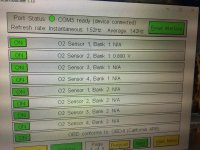
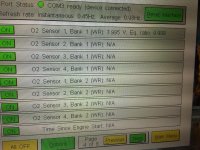
If they are the same age, the other one won't last much longer. If you have access to a live scanner, and someone who knows what they are doing, they can look at the voltage curves from each sensor and come to a judgment about which is bad.
The one thing I would NOT do, is replace the front sensor first. Makes zero sense.
It makes sense to replace sensors before spending money on cats, because you want new sensors with your new cats. Anyone who installs them will insist on it.