

brian2sun
Elite Member
It seems like this question comes up a lot, especially for new buyers so I figured I would make a thread.
The Differences in Transfer Cases and Shifting In/Out of the 4WD Modes for the 3rd Generation 4Runner:
'96-00 SR5s and 5 speed models.. (standard "J" t-case shifter)
1st position: 2HI
2nd position: 4HI (locked only)
N
3rd position: 4LO
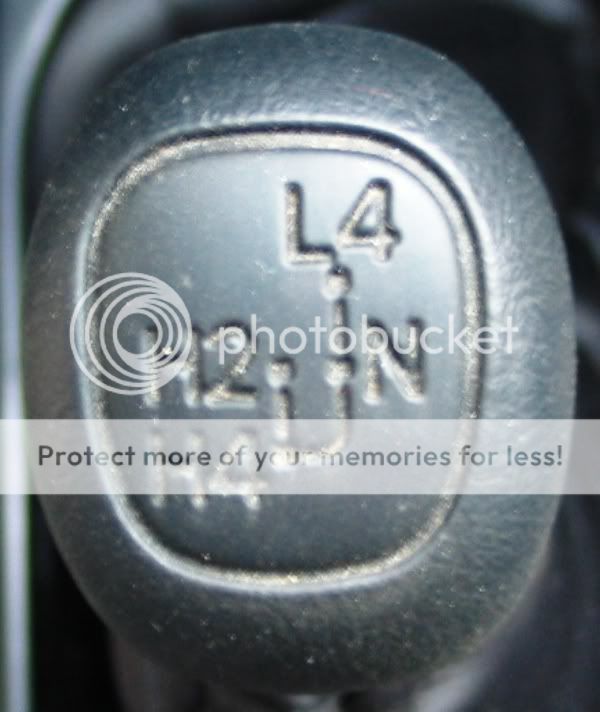
_____________________________________________________________________
'96-98 Limiteds...
1st position: 2HI with a push-button on the shifter to engage 4HI (locked only)
N
2nd position: 4LO

_____________________________________________________________________
'99 and '00 Limteds...
1st position: 2HI with a push-button on the shifter to engage AWD (aka 4HI unlocked)
2nd position: 4HI locked
N
3rd position: 4LO locked

(Note: On any of the above models, if the vehicle has a rear locker also, it will be controlled by a separate switch on the dash.)
_____________________________________________________________________
The '01s and '02s...
1st position: HI range with a push button on the shifter to choose between 2HI and 4HI (locked or unlocked CDL is controlled by a separate switch on the dash)
N
2nd position: 4LO (locked or unlocked CDL still controlled by the dash switch)

^^ '1s/02s have basically the same shifter as the '96-98 Limiteds, but with the addition of the center diff locker switch (below)..

(Note: There were no rear lockers available in any '01s or '02s.)
_____________________________________________________________________
What is the difference between all these modes? (When to use what)
2HI: For normal driving conditions.
4HI Center Diff Unlocked... a.k.a. AWD or Multi-mode (if equipped): This feature is best used on wet roads or roads with patchy snow/ice when your vehicle has full traction most of the time, but may loose traction at random points on the road. This feature allows the t-case to slip when it would normally bind in standard 4WD. You may also travel up to ~80 mph in this mode and shift on-the-fly at up to 62 mph. This mode can also be used in any conditions or on any type of road surface (dry or wet), but it will use more gas so it's better to use 2HI unless you need the extra traction.
THE CENTER DIFF LOCKER DOES NOT PROVIDE ANY MORE OFF ROAD ABILITY THAN A NORMAL 4X4!
Why? To get the most traction on dirt or other surfaces that already allow the tires to slip, you would want to have the center diff locked. The trail provides the slippage, so the "diff" inside the transfer case doesn't have to. This is the same exact thing that a standard 4x4 t-case does. So..
CD Locked = 4x4 (good for off road or consistent snow/ice)
CD Unlocked = AWD (good for slippery conditions on road ..wet, patchy ice, etc..)
4HI Center Diff Locked... a.k.a. Standard 4HI: To be used when 2HI or AWD don't provide enough traction and more is needed. It should also only be used when there is sufficient slip - snow/ice, dirt/mud, loose gravel/sand, standing water, etc.. On models with the standard t-case (J-shifter), shifting into 4HI can be done on-the-fly safely up to 30 mph on some 3rd gen models and up to 50 mph on other models (refer to the card in your sun visor for your particular speed recommandations). You should not exceed 50 mph while driving in 4HI in any model with the standard t-case (J-shifter). On the later model 3rd gens ('99+ Limiteds and all '01s and '02s), you can shift into this mode and stay in 4HI (locked) up to 63 mph.
4LO: To be used when the conditions call for even more traction than 4HI will give. This mode should also only be used when there is sufficient slip on the road. When in 4LO, the gearing actually changes in the t-case to a lower ratio so you will have much more torque. This extra torque is very helpful in low traction or steep conditions, but it also makes it easier to break drivetrain components so it should always be used in low-speed conditons and should never be used while turning sharply on dry pavement. Shifting into 4LO must be done while fully stopped and in "N".
Diff Lockers - Front and Rear (not to be confused with the center diff locker): For the absolute maximum traction you can get, a diff locker (or lockers) can be installed. There are several different kinds and brands, but Toyota offered the selectable rear elocker in the 3rd gen 4Runners from '96-00 as an option. When the elocker is off, it functions as a normal "open" diff. When the elocker is engaged it become a spool which locks both tires on that axle together. That means both tires must spin together at the same speed.
When the diff is open, if one of the tires is being restricted then all of the power will go to the other tire (the one with least resistance). This means one tire will spin and the other will stay put. If you lock the diff in this situation it will force the tire that is stationary to move with the spinning tire and therefore your traction just doubled. More often than not, the locker will get you out of situations that will get you stuck with an open diff.
Although they were not offered by the factory, a locker can also be installed into the front diff. This does the same thing in the front that the elocker does for the rear axle. If both front and rear lockers are engaged, all 4 tires will spin together. No slippage will be allowed to happen so although you have the utmost traction available, it is also the hardest circumstances on the drivetrain so it should only be used in situations where the conditions will allow the wheels to slip (i.e. snow, mud, etc..) or when already stuck.
There are many options for aftermarket diff lockers for both the front and rear, but I will not go into that since it is another topic altogether.
*Thank you to BruceB83 for suggesting to add the info about using the different 4x4 modes and Qyota for his info on what speeds and conditions the modes should be used for.*
The Differences in Transfer Cases and Shifting In/Out of the 4WD Modes for the 3rd Generation 4Runner:
'96-00 SR5s and 5 speed models.. (standard "J" t-case shifter)
1st position: 2HI
2nd position: 4HI (locked only)
N
3rd position: 4LO
_____________________________________________________________________
'96-98 Limiteds...
1st position: 2HI with a push-button on the shifter to engage 4HI (locked only)
N
2nd position: 4LO
_____________________________________________________________________
'99 and '00 Limteds...
1st position: 2HI with a push-button on the shifter to engage AWD (aka 4HI unlocked)
2nd position: 4HI locked
N
3rd position: 4LO locked
(Note: On any of the above models, if the vehicle has a rear locker also, it will be controlled by a separate switch on the dash.)
_____________________________________________________________________
The '01s and '02s...
1st position: HI range with a push button on the shifter to choose between 2HI and 4HI (locked or unlocked CDL is controlled by a separate switch on the dash)
N
2nd position: 4LO (locked or unlocked CDL still controlled by the dash switch)
^^ '1s/02s have basically the same shifter as the '96-98 Limiteds, but with the addition of the center diff locker switch (below)..
(Note: There were no rear lockers available in any '01s or '02s.)
_____________________________________________________________________
What is the difference between all these modes? (When to use what)
2HI: For normal driving conditions.
4HI Center Diff Unlocked... a.k.a. AWD or Multi-mode (if equipped): This feature is best used on wet roads or roads with patchy snow/ice when your vehicle has full traction most of the time, but may loose traction at random points on the road. This feature allows the t-case to slip when it would normally bind in standard 4WD. You may also travel up to ~80 mph in this mode and shift on-the-fly at up to 62 mph. This mode can also be used in any conditions or on any type of road surface (dry or wet), but it will use more gas so it's better to use 2HI unless you need the extra traction.
THE CENTER DIFF LOCKER DOES NOT PROVIDE ANY MORE OFF ROAD ABILITY THAN A NORMAL 4X4!
Why? To get the most traction on dirt or other surfaces that already allow the tires to slip, you would want to have the center diff locked. The trail provides the slippage, so the "diff" inside the transfer case doesn't have to. This is the same exact thing that a standard 4x4 t-case does. So..
CD Locked = 4x4 (good for off road or consistent snow/ice)
CD Unlocked = AWD (good for slippery conditions on road ..wet, patchy ice, etc..)
4HI Center Diff Locked... a.k.a. Standard 4HI: To be used when 2HI or AWD don't provide enough traction and more is needed. It should also only be used when there is sufficient slip - snow/ice, dirt/mud, loose gravel/sand, standing water, etc.. On models with the standard t-case (J-shifter), shifting into 4HI can be done on-the-fly safely up to 30 mph on some 3rd gen models and up to 50 mph on other models (refer to the card in your sun visor for your particular speed recommandations). You should not exceed 50 mph while driving in 4HI in any model with the standard t-case (J-shifter). On the later model 3rd gens ('99+ Limiteds and all '01s and '02s), you can shift into this mode and stay in 4HI (locked) up to 63 mph.
4LO: To be used when the conditions call for even more traction than 4HI will give. This mode should also only be used when there is sufficient slip on the road. When in 4LO, the gearing actually changes in the t-case to a lower ratio so you will have much more torque. This extra torque is very helpful in low traction or steep conditions, but it also makes it easier to break drivetrain components so it should always be used in low-speed conditons and should never be used while turning sharply on dry pavement. Shifting into 4LO must be done while fully stopped and in "N".
Diff Lockers - Front and Rear (not to be confused with the center diff locker): For the absolute maximum traction you can get, a diff locker (or lockers) can be installed. There are several different kinds and brands, but Toyota offered the selectable rear elocker in the 3rd gen 4Runners from '96-00 as an option. When the elocker is off, it functions as a normal "open" diff. When the elocker is engaged it become a spool which locks both tires on that axle together. That means both tires must spin together at the same speed.
When the diff is open, if one of the tires is being restricted then all of the power will go to the other tire (the one with least resistance). This means one tire will spin and the other will stay put. If you lock the diff in this situation it will force the tire that is stationary to move with the spinning tire and therefore your traction just doubled. More often than not, the locker will get you out of situations that will get you stuck with an open diff.
Although they were not offered by the factory, a locker can also be installed into the front diff. This does the same thing in the front that the elocker does for the rear axle. If both front and rear lockers are engaged, all 4 tires will spin together. No slippage will be allowed to happen so although you have the utmost traction available, it is also the hardest circumstances on the drivetrain so it should only be used in situations where the conditions will allow the wheels to slip (i.e. snow, mud, etc..) or when already stuck.
There are many options for aftermarket diff lockers for both the front and rear, but I will not go into that since it is another topic altogether.
*Thank you to BruceB83 for suggesting to add the info about using the different 4x4 modes and Qyota for his info on what speeds and conditions the modes should be used for.*
Last edited:


