Hi all, first time 4R owner of a 2011 Trail.
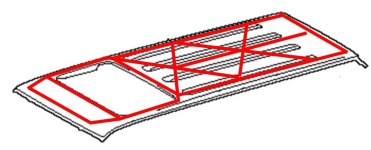
I'm hoping to design and build a traversable aluminum roof deck that sits between and beneath my OEM roof rack and extends out around the sunroof, supporting a hinged hatch over the sunroof and a light bar up front. The idea is to keep its profile stealthy - the deck frame would essentially rest on the roof using rubber footings/pads/vibration isolators. The rack will be secured into the factory rack itself, or at least those anchor points, and have two more front fixtures as well. My hope is that strong rubber footings between the deck frame and the car roof would make for a stronger deck and keep my rack stealth and maybe even a little lighter.
My basic question is what would be the downsides to using rubber footings/vibration isolation screw-ins that rest directly on the roof itself?
Can anyone point out any drawbacks to rubber footings being on the roof?
Thanks, from a first time poster - Ethan
I'm hoping to design and build a traversable aluminum roof deck that sits between and beneath my OEM roof rack and extends out around the sunroof, supporting a hinged hatch over the sunroof and a light bar up front. The idea is to keep its profile stealthy - the deck frame would essentially rest on the roof using rubber footings/pads/vibration isolators. The rack will be secured into the factory rack itself, or at least those anchor points, and have two more front fixtures as well. My hope is that strong rubber footings between the deck frame and the car roof would make for a stronger deck and keep my rack stealth and maybe even a little lighter.
My basic question is what would be the downsides to using rubber footings/vibration isolation screw-ins that rest directly on the roof itself?
Can anyone point out any drawbacks to rubber footings being on the roof?
Thanks, from a first time poster - Ethan