And it is an issue with the original design. If the original design can't meet the intended use, then it is a design problem, not an intended use problem. The corrosion causing the failure is on the inside, so that suggests external environment has nothing to do with it, it is a design issue of material compatibility or the like.
The way I see it, by the time you get to 125k or so, the vehicle has already lived what any manufacturer would deem to be it's normal, full life. The fact that we can get 200k out of these is a bonus. If anything, Toyota is kind of shooting themselves in the foot by making vehicles that last so long - it keeps people from buying new ones (when I bought my 99 4runner in 2009, Toyota didn't get so much as a dime from me.)
If you're getting 150k before any major problems, then the vehicle has already exceeded its "intended use."
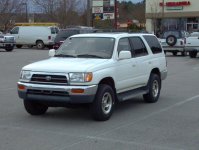
Based on a pure seat-of-the-pants assessment based on the hundreds of 3rd gens I see running around here, my guess is that fewer than 3% of auto tranny equipped 4runners will ever experience the pink milkshake before 150k. After 150k that number probably goes up, but then again, so does failure of other components (engine, T-case, axles, etc.) Getting the external tranny cooler probably drops the likelihood by a significant percentage but of course, the only way to get a 100% guarantee of no pink milkshake is to get a 4runner with a manual tranny.
Here's something else to consider, though: Even if you
did trash your tranny, the 4runner's residual value is high enough that it would probably be worth it to replace the tranny rather than to salvage the vehicle. That's something you can't say about a lot of vehicles out there.