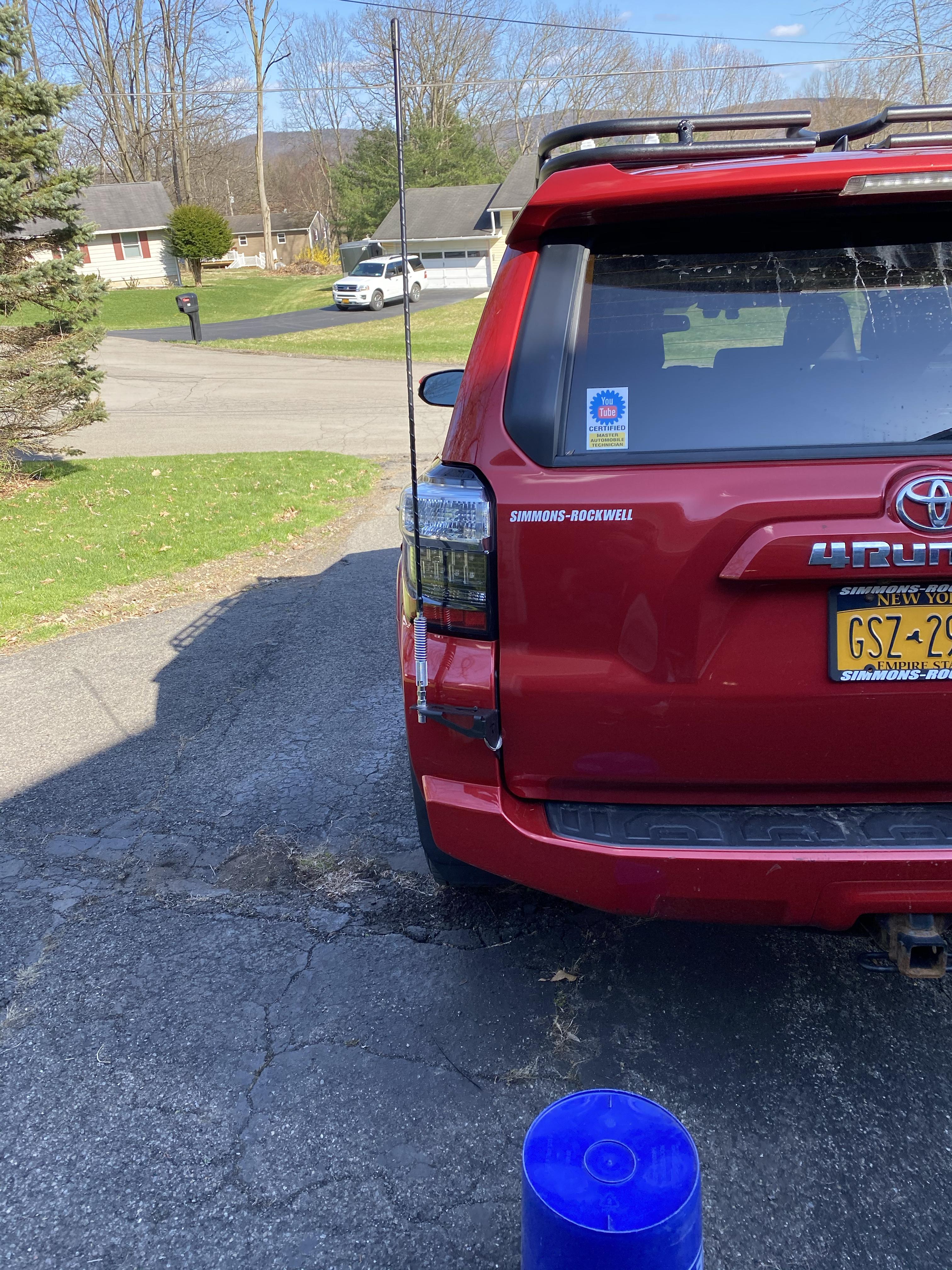
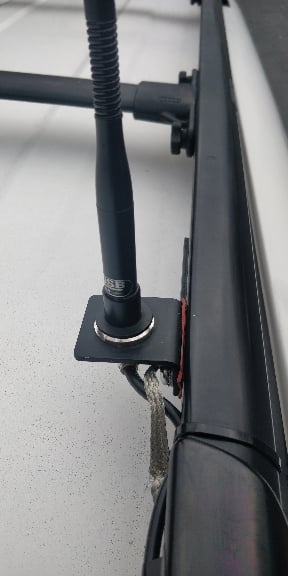
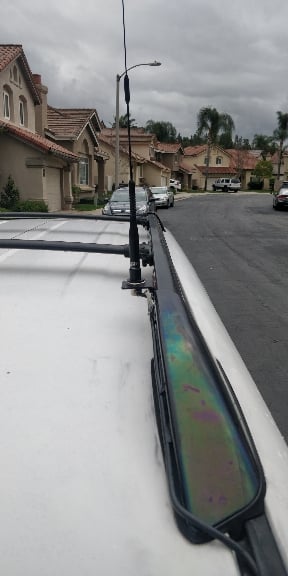
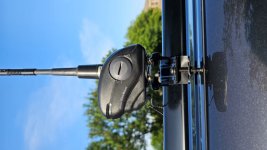
Since I got a PM from Cutty about my setup, I wanted to update the thread.
I still think the NMO trunk lip on the hood is a great option (edit: the right mount is a great option). I continue to use it with my HAM radio, with a 1/4 wave Opek antenna.
It's nice to see a fellow ham that doesn't immediately shit all over any type of mount that is not in the dead centre, drilled through the roof with a 5 foot antenna sticking out.
on a lot of ham and general radio forums you get many old crusty hams that basically post in every thread the above way to mount an antenna is the only acceptable way
FWIW a mobile ham set up a compromise in general, you have a moving vehicle with electric components and varying terrain - you won't get perfection. that doesn't mean you certainly can't try but you can get a very nice set up with a mag mount or a lip mount. ever want to use your roof or park in a garage, that's another compromise...
If you are using VHF / UHF you can generally get away with less surface bonding or ground plane which is important on HF and below (longer wavelength means a larger ground plane is needed)
I have a comet lip mount on the corner of my hood for a dual band VHF and UHF. technology has progressed in the last 50 years. many manufacturers like comet tune their antennas to work well on lip mounts because they know not everyone is going to drill a hole in their roof. my SWR at 50 watts on VHF peaks at 1.8 at the very end of the 2m band and is around 1.5 for most of the band +/- .1. on 70cm my SWR peaks just under 1.3 with a low of under 1.1. for a dual band mobile set up those are very respectable readings given I'm using one antenna. you will not damage your radio at swr above 1.5... you will not damage it at 2.0. a decent radio can handle 2.0 or even 2.5 generally trouble free. 3+ is potential for damage. obviously 1.5 is the goal but sometimes in certain set ups (like marine/boats) it's just not possible
if you are worried about rust with a lip mount here is how I have made mine rust free in canada - where we use road salt almost 5 months of the year
- you want to mount your lip mount where the set screws will need to go through the epoxy bead/sealant that goes around the edge of the door,hood,hatch etc. many people sand this down to bare metal but I do not feel that is necessary
- the set screws will bore through the epoxy, through the paint and bite into bare metal (yes it will dimple the underside a bit but it's not really a big deal)
- the contact with the set screw and bare metal will be sealed around by the epoxy bead. the only way moisture will get at that bare metal will be up through the set screw threads that will already be nicely surrounded by the epoxy.
- get fluid fluid film (no ox id is ideal but you probably wont be able to apply the paste around the underside of the mount due to space limitations). fluid film works fine. it won't dry, freeze or run or evaporate. it will seal and surround the set screws. use the applicator straw and fill in the areas around the set screws under the mount. it will turn black eventually from all the road dust and grit, but it will be functional and repel water. if you really want to , reapply maybe once a year or so
- this method I've been able to get at most 0.1 ohms resistance when measuring from the mount to fender ground with a decent ohmmeter
at VHF and UHF it's probably not worth the hassle of bonding the entire vehicle with copper straps if you don't purchase a ground independent antenna. if you are using HF or below, this becomes more important
hopefully this post can help folks / new comers to radio not be discouraged. there is a lot of incorrect information online about electrical grounding, ground planes and RF grounding. it can be overwhelming to sort through