I spent 30+ years in the auto body industry as an owner or estimator and disagree with almost everything this post says. Claim reps don't determine fault. They make judgments that wouldn't necessarily hold up in court. They decide if the company will accept liability, which in this case is only relevant to whether or not the OP pays his deductible.
In CA State farm does not use aftermarket parts, I can't speak to what they do in other states. LKQ means like, kind, and quality, very subjective but some companies apply that term to AM.
The "select service" status doesn't assure anyone of the best possible repair. I saw enough repairs to know this as a fact, any DRP is only as good as their employees and/or QA system.
Those parts ARE available OEM.
State Farm doesn't warranty shit, if you have a problem, the shop has to eat it. The insurance company doesn't pay twice for the repair.
The verbiage of your contract with State Farm will dictate what they do, and it varies from state to state. If you feel as a claimant you aren't getting treated as you desire, since you are both the insured and the claimant there is a conflict of sorts, there is one almost sure fire way you can get what you want. You can pay out of your pocket for the repairs to be performed using OEM parts. Then present the final itemized bill for reimbursement, along with documentation, ie invoices for parts and pictures of the old parts. If they don't pay you the full amount, take them to small claims court. They WILL lose.
Well, considering I did actually work for State Farm I'm sure I have more knowledge of how they handle things. One, LKQ with State Farm is never AEM (they use both terms). If California doesn't allow State Farm to use AEM parts, then that's California's choice.
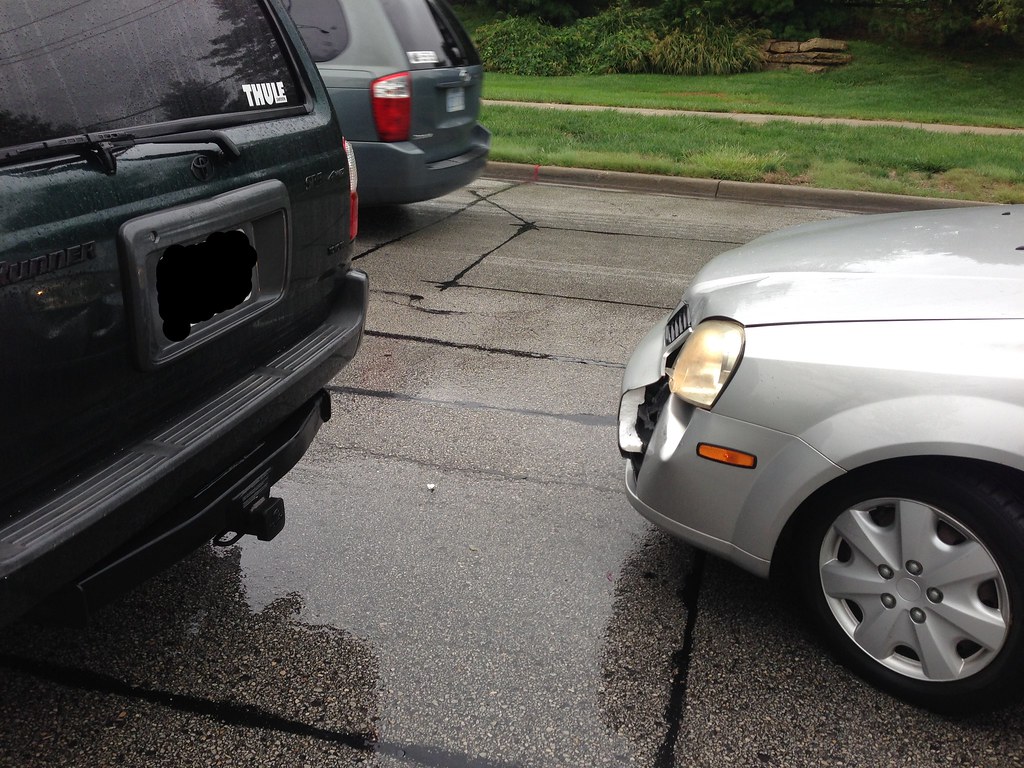
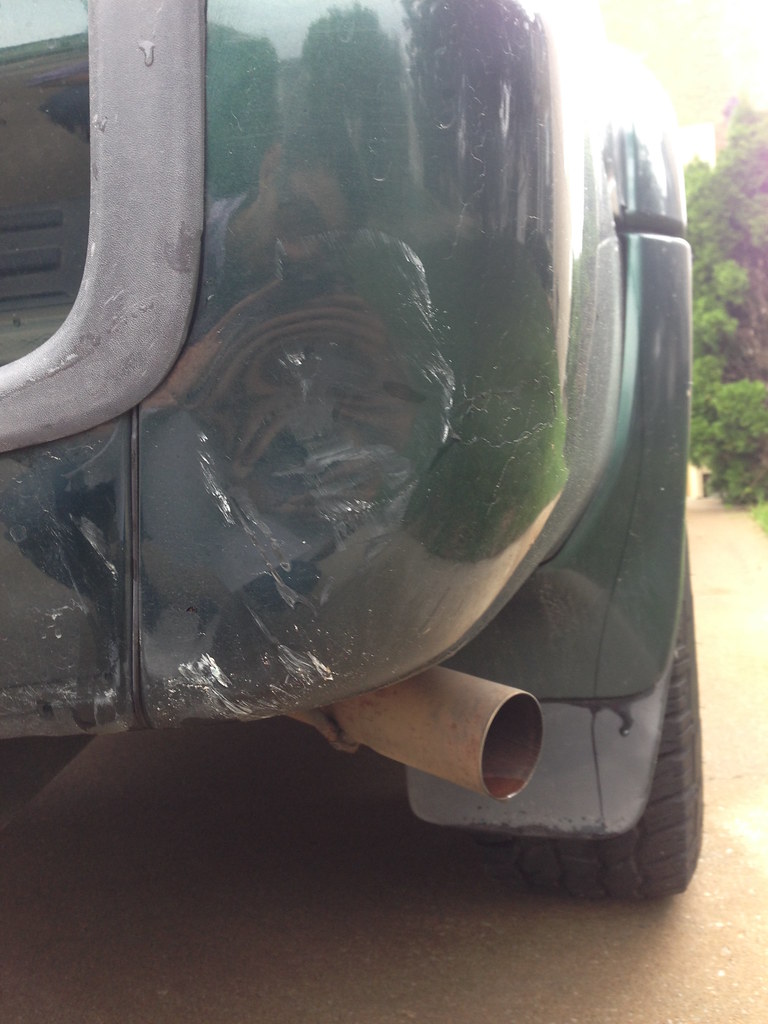
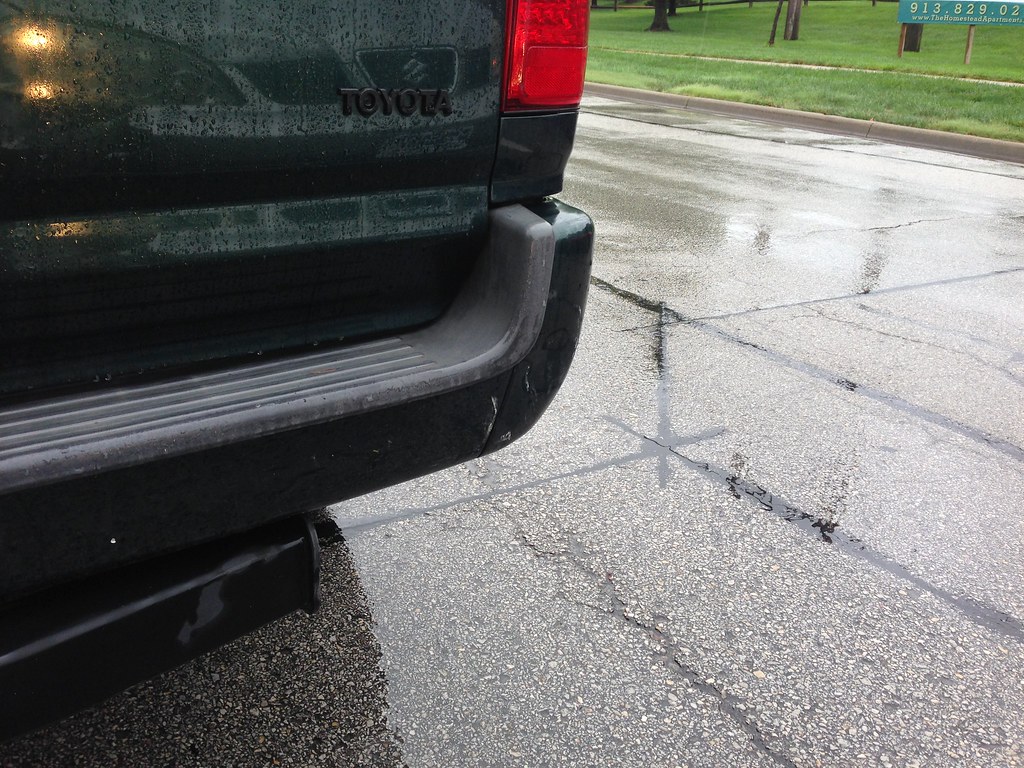
Two, claim reps DO determine fault; fault CAN be changed due to court action. However, since State Farm insures both vehicles involved in this collision it will never make it to court, especially so since the rear of OP's vehicle was struck, therefore negligence is easy in this case. Law enforcement officers NEVER determine "fault" (fault entails civil law, and officers don't deal with civil law unless ordered by the courts).
Third, State Farm DOES warranty the use of LKQ parts -- a separate warranty policy is issued to the insured when the parts are called for in the estimate (I had to read it).
Fourth, all State Farm policies include a clause that excludes an insured from initiating court action over the parts used unless it's a diminished value claim. All others go to arbitration, and rarely does the insurance company lose. (Injury cases are where lawyers get involved, especially if they think there was unfair claims settlement practices involved which is where they really get a lot of money -- and the only type of lawsuit that an insurance company fears).
Fifth, if you try to repair your vehicle after initiating a claim without the company's permission, you invalidate your claim (also in the policy). State Farm will, if enough complaining happens by a good customer, will make allowances but I wouldn't bet on it.
Lastly, this is not one claim -- it will be two claims with two claim reps. It is illegal for any insurance company to have two insureds involved in the same collision in one claim file. Again, it's called unfair claims settlement practices.
Whether OEM parts are or are not available, you'd obviously know that more than I would -- I don't repair vehicles. And, I can also say I didn't specify in my original anecdote that the shop that was de-certified was nearly melting the frame rails. The estimator I was with had well over 30 years of experience in auto repair (worked with State Farm because he got some kind of lung damage from the "old days" of painting in booths with no protection). Sure, a shop that is Select Service might do a bad job, but then it falls back on State Farm because State Farm "certified" the shop, which translates to protection for the vehicle owner.
Just because your owned/worked in a repair shop doesn't mean you know how insurance companies work, other than writing them estimates, negotiating repair prices, and fixing vehicles.




 eace:
eace:

