
Spark Plug Came Out Destroying Coil and Threads

4x4runnerMT

New member
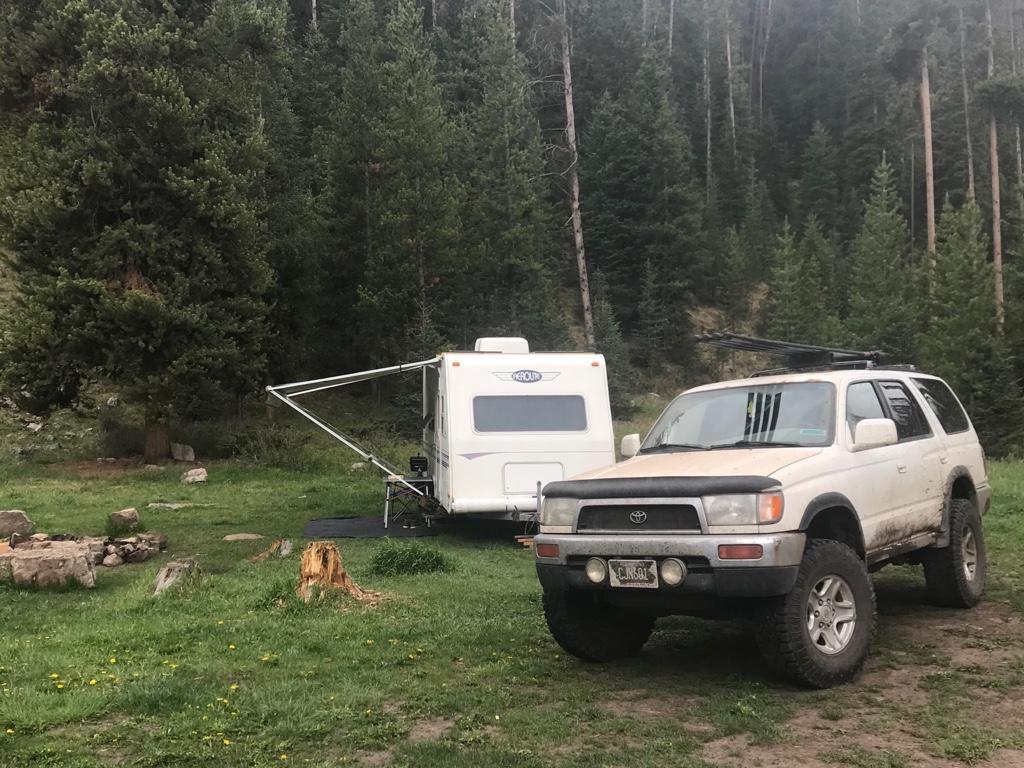
I’ve searched a few different posts and still have a few concerns about my spark plug blowing out while driving. Vehicle is currently at 240,000 miles. She’s sat for awhile and I’m hoping to turn her into a full trail rig.
a9d691266e29347fb7df68fb67ebfd7e.jpg


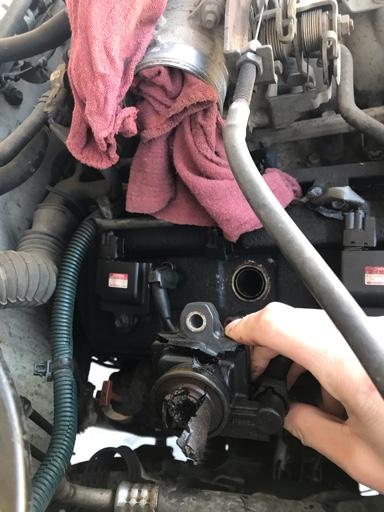
So the other day I was accelerating up to highway speeds and heard a pop and then what sounded like an exhaust leak. I pulled over right away and shut the vehicle off. Spark plug had blown out and taken the coil with it. Vehicle was towed home on a flat bed and I started to look at it.

Around a week and 1000 miles before this happened, I changed the spark plugs. I changed the spark plugs because I had a check engine light for a misfire. It was the middle cylinder on the passenger side. I have never changed the spark plugs on the rig before, so I decided to start there. These spark plugs were in for at least 40,000 miles, likely much longer. When I took out the spark plug on the middle cylinder on the passenger side (the same cylinder the new spark plug blew out of), I noticed that the electrodes were broken off. They were noticeably broken off and not burned off. I replaced all the spark plugs and the check engine light went away. Vehicle ran great after this for about 1000 miles and then the spark plug blew out.
5c13c68fcf1f0e30b246e64ee7d7aa6a.jpg


I would just go and replace the threads with a time sert kit, but I have a few concerns. I know very basic knowledge about engines, so any help would be appreciated!

-Could the piston possibly have over travelled and smashed into the spark plug blowing it out? I thought this may have been the reason the old spark plug had broken electrodes.

-Would it have been as simple as I over tightened the spark plug and the fact the old spark plug had broken electrodes was just a coincidence?
I didn’t use a torque wrench when installing the spark plugs. I try to be careful to have them tight, but not too tight. Still, I should have used a torque wrench

-I noticed a small ticking sound coming from the engine well before any of this happened. I had another guy with the same 4runner listen and he said his 4Runner makes the same sound. He thought it was fine

-The coolant is almost completely gone. I don’t believe the engine ever over heated, but I did notice there was almost no coolant left in the reservoir. I noticed this because I thought it was a blown head gasket originally. Last time I checked coolant was probably 15,000 miles ago. I don’t check it often, but I try to keep an eye on the temp gauge and never noticed anything unusual. Even the moment the spark plug blew, temp was still fine.
This is probably a separate issue from the spark plug that I need to fix.

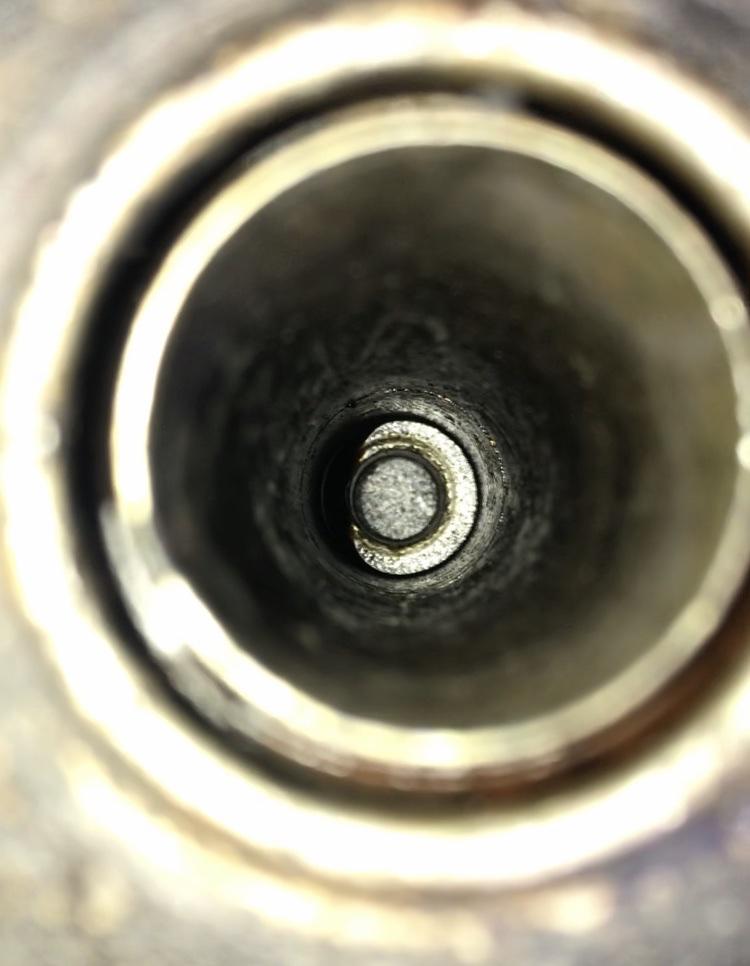
-In the pictures of the spark plug hole, the piston seems incredibly close to the spark plug hole. I turned the vehicle over for a few seconds and the piston does move. Still worried it may have over travelled and hit the spark plug out? Not sure if that’s possible?

-Should I just time sert the threads and put a spark plug in and see what happens?

Sorry this got really long, any help on any of my concerns would be much appreciated! Thanks everyone


Here’s the picture of the spark plug hole. It seems like the piston is too close to the hole and possibly could have pushed the spark plug out???
4b0d026eefb2b035b6d81932ea29858d.jpg
 
Last edited:
Register to hide this ad
The first thing that jumps to mind is where is the rad fluid going and is it still disappearing, adding rad fluid to the cylinder can cause hydraulic/steam problems with lots of force and power causing damage you described, they where not ment to run as a steam engine.

No a piston should not hit the plug unless the rod is broken or you have the incorrect length plug installed.

Yes over tightening or more likely under tightening the plug can cause it to pop out as can torquing it with anti seize. Hand tight then 2/3's turn is fine, no anti seize on chrome/anti seize coated brand new plugs. I never torque plugs and use the 2/3's turn on new plugs and check them after 1000km, shouldn't be an issue usually. A plug poping out is a major issue though as it hammers away, but your original plug you pulled out had damage but wasn't loose so that leads me to believe rad fluid is getting into the cylinder or a foreign object got in there, or a bad previous time sert or helicoil job, maybe the fist damaged plug took out the threads upon removal, but it doesn't explain the damaged original plug, what type of plugs came out on both sides, NGK/Denso

I would do a compression test and look for rad fluid in that cylinder before doing the time sert to see if it's worth digging into further. Unplug EFI relay and WOT for this test.
 
Last edited:
The first thing that jumps to mind is where is the rad fluid going and is it still disappearing, adding rad fluid to the cylinder can cause hydraulic/steam problems with lots of force and power causing damage you described, they where not ment to run as a steam engine.

No a piston should not hit the plug unless the rod is broken or you have the incorrect length plug installed.

Yes over tightening or more likely under tightening the plug can cause it to pop out as can torquing it with anti seize. Hand tight then 2/3's turn is fine, no anti seize on chrome/anti seize coated brand new plugs. I never torque plugs and use the 2/3's turn on new plugs and check them after 1000km, shouldn't be an issue usually. A plug poping out is a major issue though as it hammers away, but your original plug you pulled out had damage but wasn't loose so that leads me to believe rad fluid is getting into the cylinder or a foreign object got in there, or a bad previous time sert or helicoil job, maybe the fist damaged plug took out the threads upon removal, but it doesn't explain the damaged original plug, what type of plugs came out on both sides, NGK/Denso

I would do a compression test and look for rad fluid in that cylinder before doing the time sert to see if it's worth digging into further. Unplug EFI relay and WOT for this test.


Thanks for the input! So I believe NGK were the original spark plugs and I put new NGK spark plugs in.
I’m going to try a compression test in a few days. If coolant is getting into the cylinder, will it have low compression? Are there any other tests I should do for coolant before trying to repair the spark plug hole?
The vehicle is in pretty rough shape overall. If coolant is getting in the cylinder, it’s probably gonna be too expensive to be worth fixing.


Sent from my iPhone using Tapatalk
 
It happened to my rig 2001 about 100k miles ago. I took to the dealer they charged me about 350. 1 year warranty. Totally worth it
 
No, if you can get it to thread in the compression test will just help you make decisions knowing the general conditions of the cylinder wall, piston & rings and valves/seats, a leak down test will check for head gasket issues among narrowing down other things. Head gasket leaks can do weird things including leaking into a cylinder when not running, when running and between cylinders, and then there's cracked heads or blocks, and bubbles in the rad while running. Visible coolant in the cylinder can raise compression, a bore scope after it sat a night can tell you if coolant is getting in there while parked, this can cause a hydro lock condition and break a rod allowing the piston to hit valves and still run believe it or not, but I don't think it could hit the plug, I would expect a consistent knock under that circumstance/worst case. Where is your coolant going is question #1.
 
Last edited:
I would also be inclined to pull the surrounding plugs and see how close the piston is to the spark plug hole for TDC on the compression stroke.
 
If you have a dial indicator, you could measure the TDC piston of the problem cylinder and measure the TDC on a neighboring cylinders, then compare the two. I have a feeling both should be close in measurements.
You would be having rough idling issues if the problem cylinder has a higher TDC piston than the other 5 cylinders.
 
Maybe we’ll all get torque wrenches for Christmas. Aluminum head - not worth taking chances. Do it right and rest easy. Good luck.
 
-Could the piston possibly have over travelled and smashed into the spark plug blowing it out? I thought this may have been the reason the old spark plug had broken electrodes.

-I noticed a small ticking sound coming from the engine well before any of this happened. I had another guy with the same 4runner listen and he said his 4Runner makes the same sound. He thought it was fine


-In the pictures of the spark plug hole, the piston seems incredibly close to the spark plug hole. I turned the vehicle over for a few seconds and the piston does move. Still worried it may have over travelled and hit the spark plug out? Not sure if that’s possible?
No, your piston has zero chance of hitting the spark plug. You'd smack your valves way before then. That wouldn't even happen on an interference engine, nor does it logically make sense how one piston would suddenly travel so much further than the other 5
The ticking is normal. Most call it Toyota Tick. Many new owners mistake it for valve lash but many Toyota vehicles and engines alike have had it for god knows how long
 
Toyota tick. Can be the injectors as they are noiser then most mfg. Most of my Toyotas have the tick. It's so common I mostly dont even hear it anymore.

Sent from my SM-J337V using Tapatalk
 
So I’ve decided to start with repairing the spark plug hole. Hoping I can repair it myself with a time sert Kit, depending on how badly damaged the threads. This vehicle is no longer my daily driver, so I can take my time working on it. Thinking I am going to focus on the spark plug thread repair first, and then start to investigate the missing/lack of coolant.
Not very worried about the slight ticking sound I heard before. Sounds like it’s just the Toyota tick people talk about. While I’m working on it, do you guys think it would be a good idea to replace the head gasket? I haven’t done a head gasket before and I don’t know much about replacing them yet, but I’m quick learner on YouTube and there looks to be plenty of videos! My thought is to maybe replace the head gaskets now, and repair the spark plug threads while the head is off. This way I won’t have to worry about getting metal shavings in the cylinder. Will update when I start the project!
 
You can do it that way if you want. If your going to pull the head off. You could just replace it too.

When I helped others rethread a spark plug hole. We put the piston on top of the cylinder. Then fix it. Vacuum the cylinder out and blow compressed air in the cylinder to get the filings out. Granted a few aluminum flakes may remain with this method. Being aluminum is a real soft metal. We never really worried about it.

So that's choice is up to you. Keep us posted on how you make out :)


Sent from my SM-J337V using Tapatalk
 
So I’ve decided to start with repairing the spark plug hole. Hoping I can repair it myself with a time sert Kit, depending on how badly damaged the threads. This vehicle is no longer my daily driver, so I can take my time working on it. Thinking I am going to focus on the spark plug thread repair first, and then start to investigate the missing/lack of coolant.
Not very worried about the slight ticking sound I heard before. Sounds like it’s just the Toyota tick people talk about. While I’m working on it, do you guys think it would be a good idea to replace the head gasket? I haven’t done a head gasket before and I don’t know much about replacing them yet, but I’m quick learner on YouTube and there looks to be plenty of videos! My thought is to maybe replace the head gaskets now, and repair the spark plug threads while the head is off. This way I won’t have to worry about getting metal shavings in the cylinder. Will update when I start the project!

A head gasket is a major job. If all you need is new threads for a spark plug then just do that or have it done at a reputable shop.

Most likely the spark plugs were overtorqued at some point and the simple act of changing the plugs a while back was enough to stress the threads to the point of breaking. The combustion chamber will see pressures of over 200 PSI so that's enough to shoot out a spark plug when those threads fail.
 
So the reason I’m thinking about replacing the head gasket is because of the missing coolant. I assume the head gasket has never been replaced and the vehicle has around 240,000 miles. I figured if I replace the head gasket now, that would be one less place the missing coolant could be going.
Like I said I haven’t done a head gasket before, and it might be waaaay more work then I’m thinking. But I thought it may also be easier to fix the spark plug threads with the head off.
Do you guys think I would be better off taking the time to diagnose where the coolant is going? Or do you think it would be worth it to just do the head gasket now?
Like I said, the coolant was almost completely gone out of the reservoir when the spark plug blew.
Thanks!


Sent from my iPhone using Tapatalk
 
Do you guys think I would be better off taking the time to diagnose where the coolant is going? Or do you think it would be worth it to just do the head gasket now?
Like I said, the coolant was almost completely gone out of the reservoir when the spark plug blew.
Thanks!

Do we think you'd be better off diagnosing a problem or take a $1500 shotgun approach? Hmmm, tough call.. :crazy:
Have you ever done your intake manifold gaskets? The coolant port on them tends to become corroded with age, maybe some material has worn away and some is making it's way through to the nearest valve. Remember, the coolant isn't doing anything particularly magical or crazy in the head - it's merely following a passage. There's not really anywhere for it to hide, especially without you noticing
Could always have something inconspicuous too like a cracked rad
 
OP, where did you check the coolant? radiator or the plastic reservoir to the left of the radiator?

If you were looking at the radiator that you checked, then yes, you should be looking at another problem that's causing the loss of coolant.
If you were looking at the plastic reservoir, was the engine hot or cold? If the engine is hot, then there should be coolant in there. If the engine was cold, then there should be less coolant in there because the coolant goes back into the radiator.
 
I would definitely try to diagnose before replacing anything. You should still be able to do compression and leak down testing on the other 5 cylinders as well as pressure testing the cooling system.
 
UPDATE

It’s running again!
I realized I was a dummy and was looking at just the coolant overflow reservoir and not in the radiator. Radiator had plenty of coolant. I bought the time sert kit for spark plugs. It was super easy and worth every penny.
After retaping the spark plug holes and putting a new plug and coils in, it fired right up. Flushed coolant system, changed engine oil, etc. and it has been running great.
Now, however, it seems as if the transmission is slipping. Vehicle sat for about 1.5 years, never had any issues of slipping. Now when I’m at a stop and accelerate, it slips to around 2k RPMS and then finally catches.
More projects!
 
UPDATE

It’s running again!
I realized I was a dummy and was looking at just the coolant overflow reservoir and not in the radiator. Radiator had plenty of coolant. I bought the time sert kit for spark plugs. It was super easy and worth every penny.
After retaping the spark plug holes and putting a new plug and coils in, it fired right up. Flushed coolant system, changed engine oil, etc. and it has been running great.
Now, however, it seems as if the transmission is slipping. Vehicle sat for about 1.5 years, never had any issues of slipping. Now when I’m at a stop and accelerate, it slips to around 2k RPMS and then finally catches.
More projects!

Definitely would recommend starting with a simple drain and fill of the tranny. If that doesn't solve anything, I'm not entirely sure how to proceed at that point...
 

Members online

Forum statistics

Threads
278,310
Messages
3,554,080
Members
248,016
Latest member
Advally Service

Trending content

Back
Top