Technical reason for the pink milkshake?

I have been very curious as to what is the underlying cause for this problem since I first read about it.

I sorta wished I had inspected my old radiator before I tossed it for any signs of failure. There was nothing wrong with it, but I went ahead and replaced it still given that it was the original unit with 220K.
 
All these failures that are reported always seem to be the OEM radiators, but I rarely if ever hear of an aftermarket radiator failing. I wonder if it is in fact a OEM Toyota flaw or quality control issue, or just that aftermarket radiators simply haven't been on the truck long enough to start failing in numbers that people take notice?

Simple fact that every single car comes with a factory radiator. And, if the factory one goes out, it seems to usually be around the 150K mile mark. After that, an aftermarket one would need to hit 300K miles on the vehicle before it has reached the same level of abuse as the factory one at 150K miles.

Also curious to see how many fail in relationship to water pump change. ie: if the water pump change happened at 100K with timing belt, it's a safe bet to assume the coolant has been flushed or mostly replaced at that point. If it hasn't been replaced until 150K miles, then that's a pretty long time with factory coolant and is more than likely destroying the radiator at that point.
 
#1 Contrary point - wall thickness

#2 Contrary point - "aluminum" can come in any number of alloys and grades of quality. You can't put it all into one basket just because a magnet doesn't stick to it.

Agreed on both points - time will tell when we get to cut one open.
 
Agreed on both points - time will tell when we get to cut one open.

It's been done and posted on here. The fail was right where the ATF nipples connect to the cooler grid inside the jacket. If you search hard enough, I'm sure you'll find it. Not that many uses of 'pink' and 'milkshake' on here.

I believe there is no question that it is more a design/manufacturing flaw, rather than poor maintenance. It is a single fail point, as opposed to anywhere else in the rad. Poor maintenece may accelerate the fail, but I doubt anyone is totally immune, except us stickshifters.

Since I'm immune, I have 175k and 15 years on my factory 5-speed rad, and still going strong. I do Toyota RED and 50k changes since Day 1, so I know maintenance is good. I'm gonna run it until I have an issue.
 
Last edited:
It's been done and posted on here. The fail was right where the ATF nipples connect to the cooler grid inside the jacket. If you search hard enough, I'm sure you'll find it. Not that many uses of 'pink' and 'milkshake' on here.

I believe there is no question that it is more a design/manufacturing flaw, rather than poor maintenance. It is a single fail point, as opposed to anywhere else in the rad. Poor maintenece may accelerate the fail, but I doubt anyone is totally immune, except us stickshifters.

Since I'm immune, I have 175k and 15 years on my factory 5-speed rad, and still going strong. I do Toyota RED and 50k changes since Day 1, so I know maintenance is good. I'm gonna run it until I have an issue.

I have seen a post which was quoted earlier of some corrosion at those connectors but there was not failure. Will keep searching - have not found a thing yet that shows the exact failure point. I am sure it is documented someplace on the interwebs, just gotta find it or cut over some PMS rads!
 
[MENTION=123173]Jhelms[/MENTION]

I have a stock rad you can tear apart... it came from my overheating 1997 4runner, I think over heating issue was due to clogged cores in the radiator.

let me know if you want it, I'm local to you. you can go at it and take/post all the pictures you want, I just don't have time.

let me know

edit, the 97 has 193k miles on it
 
[MENTION=123173]Jhelms[/MENTION]

I have a stock rad you can tear apart... it came from my overheating 1997 4runner, I think over heating issue was due to clogged cores in the radiator.

let me know if you want it, I'm local to you. you can go at it and take/post all the pictures you want, I just don't have time.

let me know

edit, the 97 has 193k miles on it

Missed this, sorry man! May be worth a look.

Put a new radiator in my silver 4gunner this weekend while doing a timing belt. So I have an all original radiator with 220K miles on it - that was reasonably well maintained with two dealer flushes on record (better than none!!!) When I get time, I will pull it apart and have a detailed look - see if I spot any issues at all that I would consider a manufacturing defect or other.

Only immediate thing I noticed, the plastic tank on top was starting to spiderweb really bad and had long micro cracks running horizontally. Same area my co-workers radiator split on his tacoma (250K+ miles) Also the material had turned from black to army green. Doubt the tank would have lasted much longer.
 
Tore down the radiator from the silver gunner today.

Facts:
- 220K original miles on this radiator
- From my 2002 SR5 4wd making it closer to 14 years old
- All original AZ car. Doubt it has ever seen salt or nasty corrosive conditions per the undercarriage condition and being an AZ vehicle
- Coolant flushed twice at dealer / verified. Averaged 70K miles between flushes. At 70ish, 140ish and then I replaced the rad.

Transmission cooler facts:

- No signs of electrolysis corrosion or other inside the core or on the transmission cooler core which would indicate poor system maintenance
- Hose ends were in excellent - new condition. Even the o-rings were plump and looked new on both the tank seals and the barb end seals
- I tried to induce a crack, rupture or other in the tranny cooler itself, bending it, flexing it, trying to twist it.... Thing was built solid. Tried to pry off the back end caps and they were rock solid and would not come off.

I cannot find any reason in any way that this particular car / radiator was in any danger of a pink milkshake at 220K miles with a well maintained cooling system (unless I can pinpoint an actual failure point in a system that had PMS and zero in on it). Will save this cooler for future comparison. Rad is going to recycle.

The only failure point that was possible on this rad that was obvious was the top tank. It had a ton of microfractures in the outside plastic that were visible in some spots on the inside as well. Same place my buddies original taco tank ruptured - along one of these cracks that opened up.

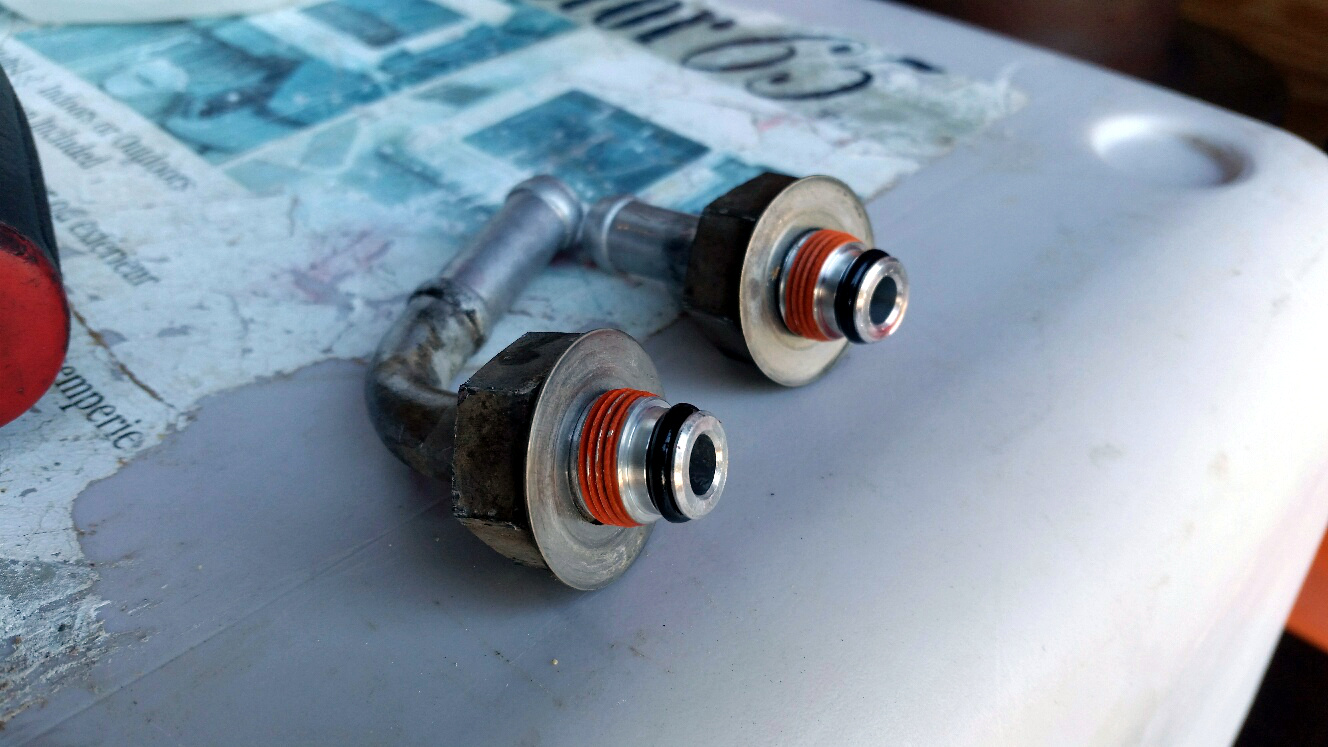
Photo of the tranny cooler hose barb ends. Looked brand new inside and metal was perfect other than grime from age.
COOLER%20ENDS.jpg


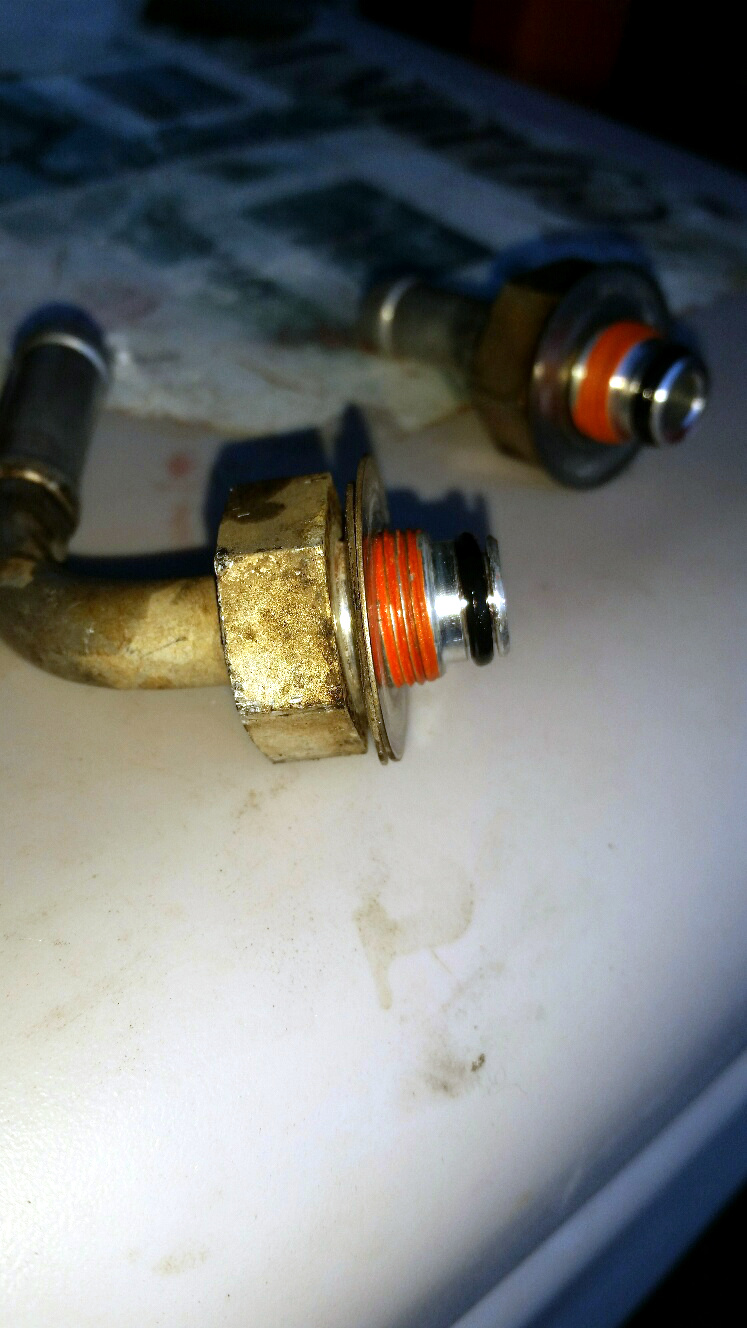
Took a photo of the barb with the flash on to show behind the washer. Nothing going on there either.
COOLER%20ENDS%20FLASH%20ON.jpg


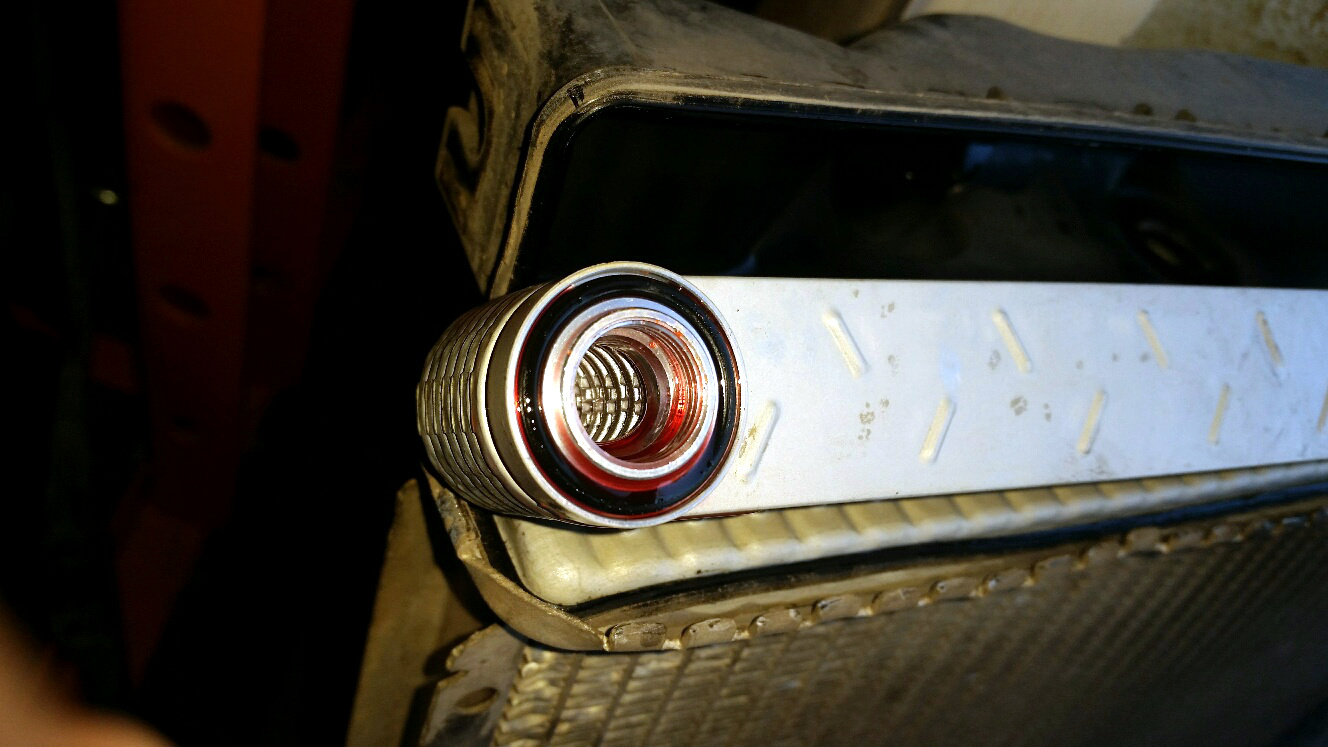
A look at the tranny cooler tank itself. Outside o-rings are perfect and tank looks brand new.
COOLER1.jpg


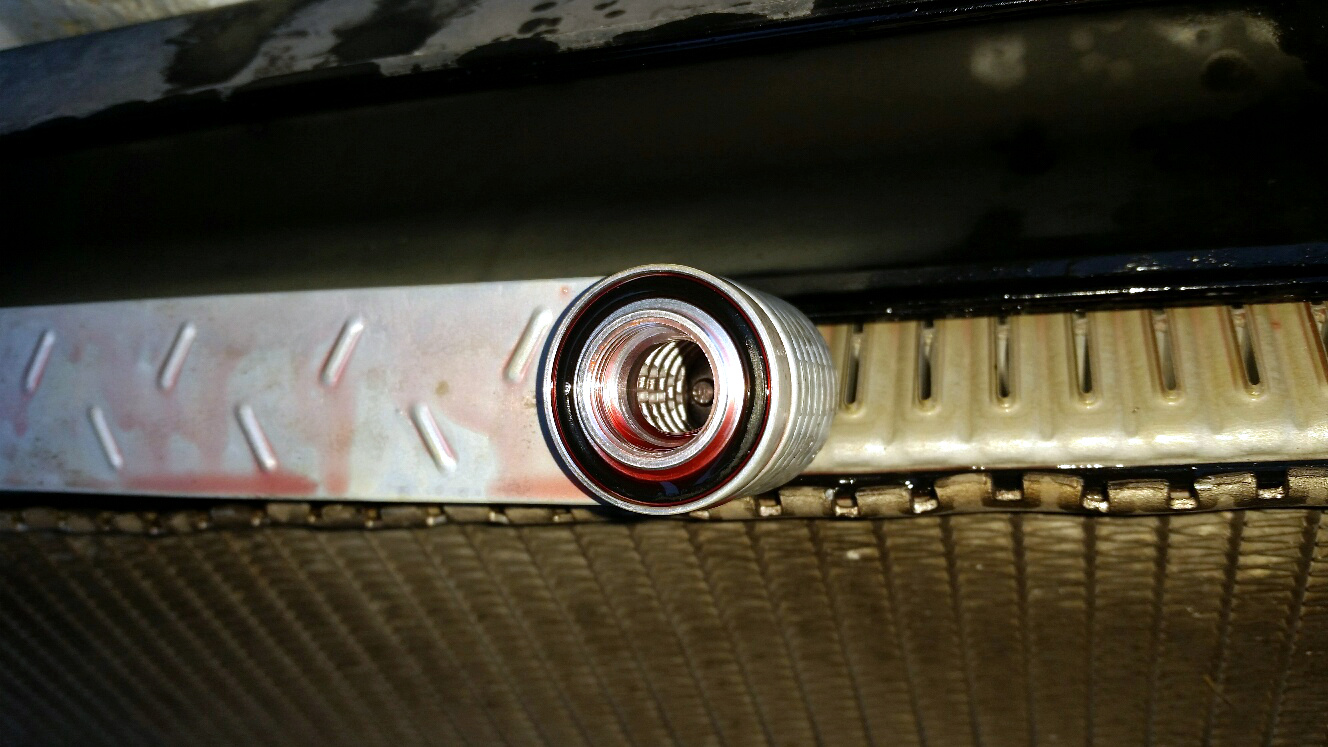
Other end. To note, these o-rings simply seal the cooler to the bottom plastic tank. If these fail, you will only get an external coolant leak.
COOLER2.jpg


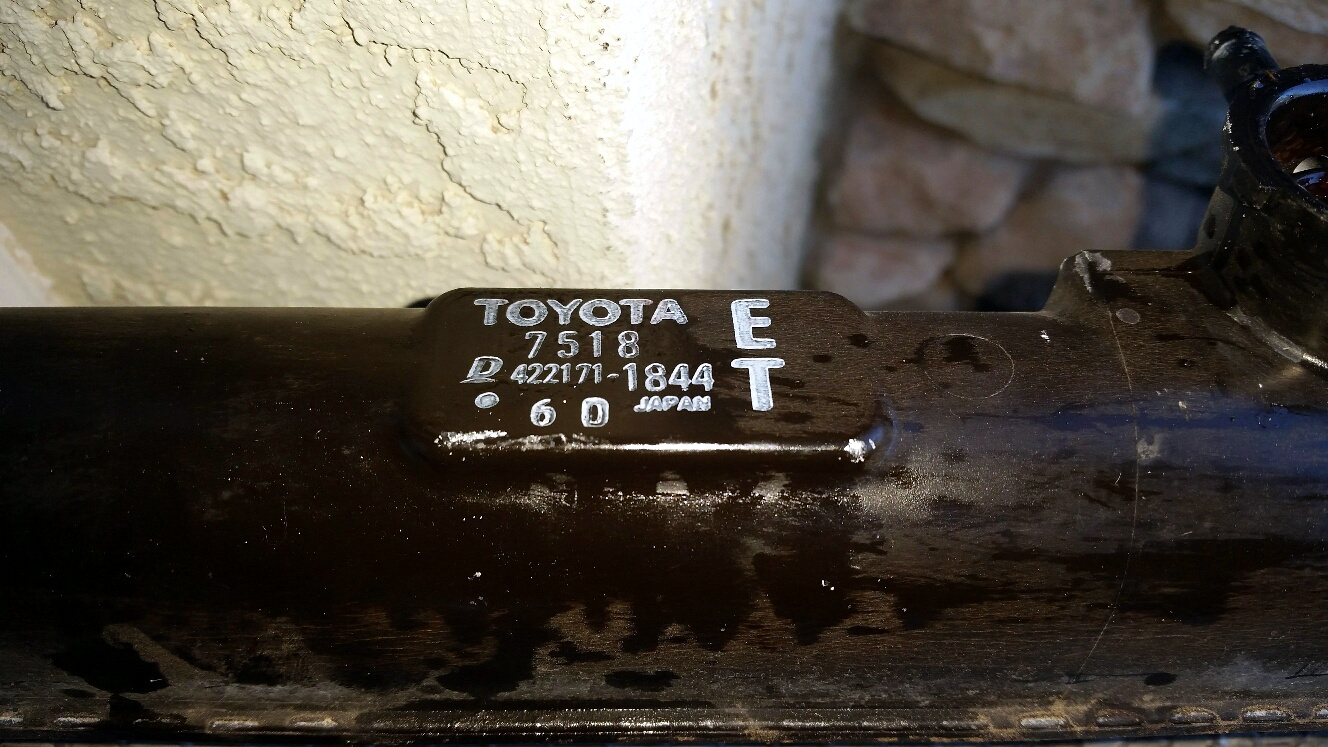
Showing this was an original radiator / Japan Denso core.
RAD%20ID.jpg


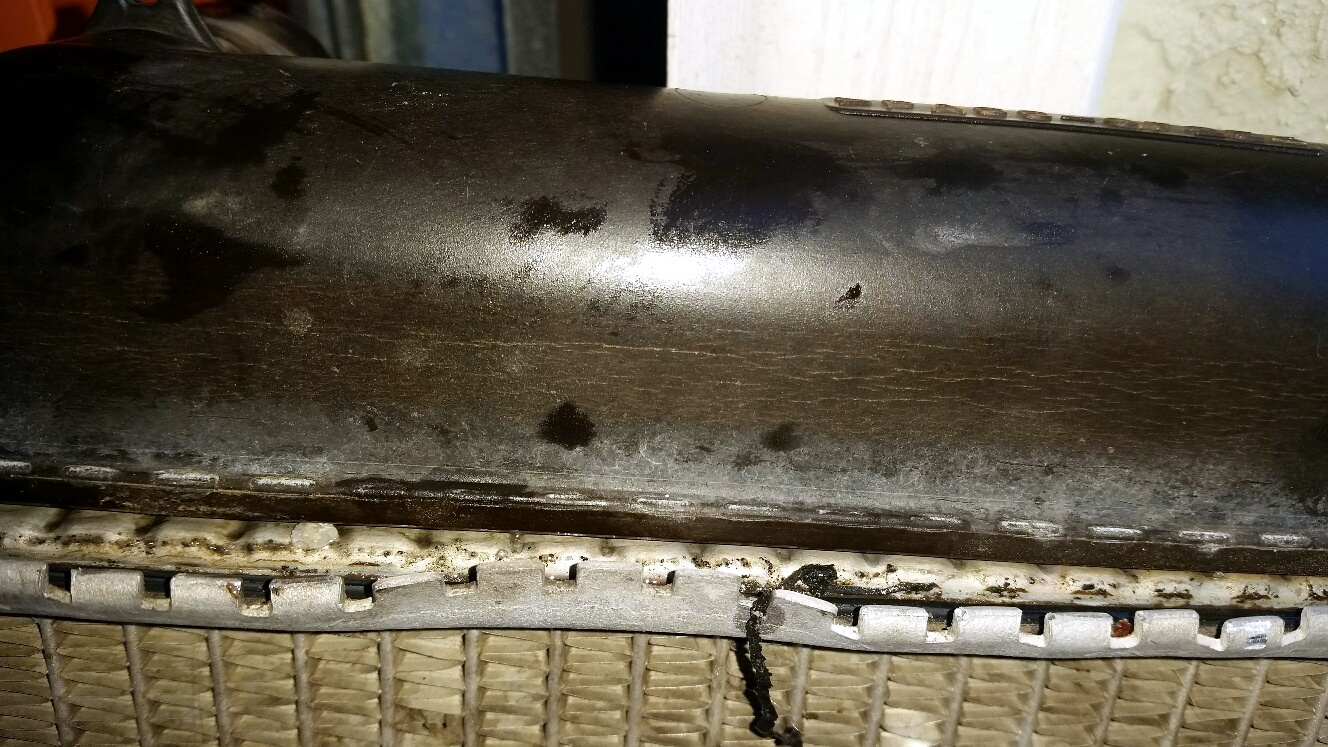
More of the plastic stress on the top tank from thermal expansion / cool-down over the years.
MICROFRACTURES.jpg


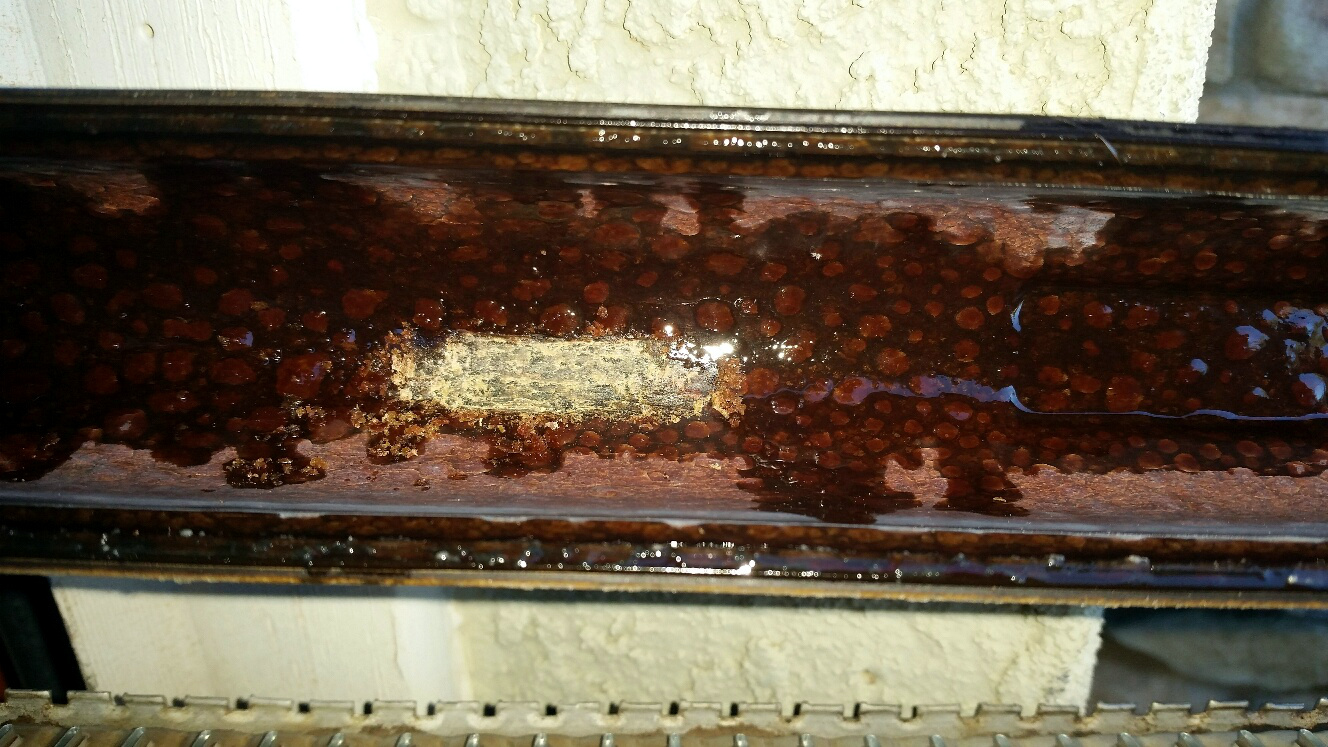
Some of the buildup in the top tank that happens due to the airgap. Normal. Scraped some of it away to view the plastic stress on the inside of the tank. Hard to tell in the photos, but it was evident.
TOP%20TANK%20BUILDUP.jpg


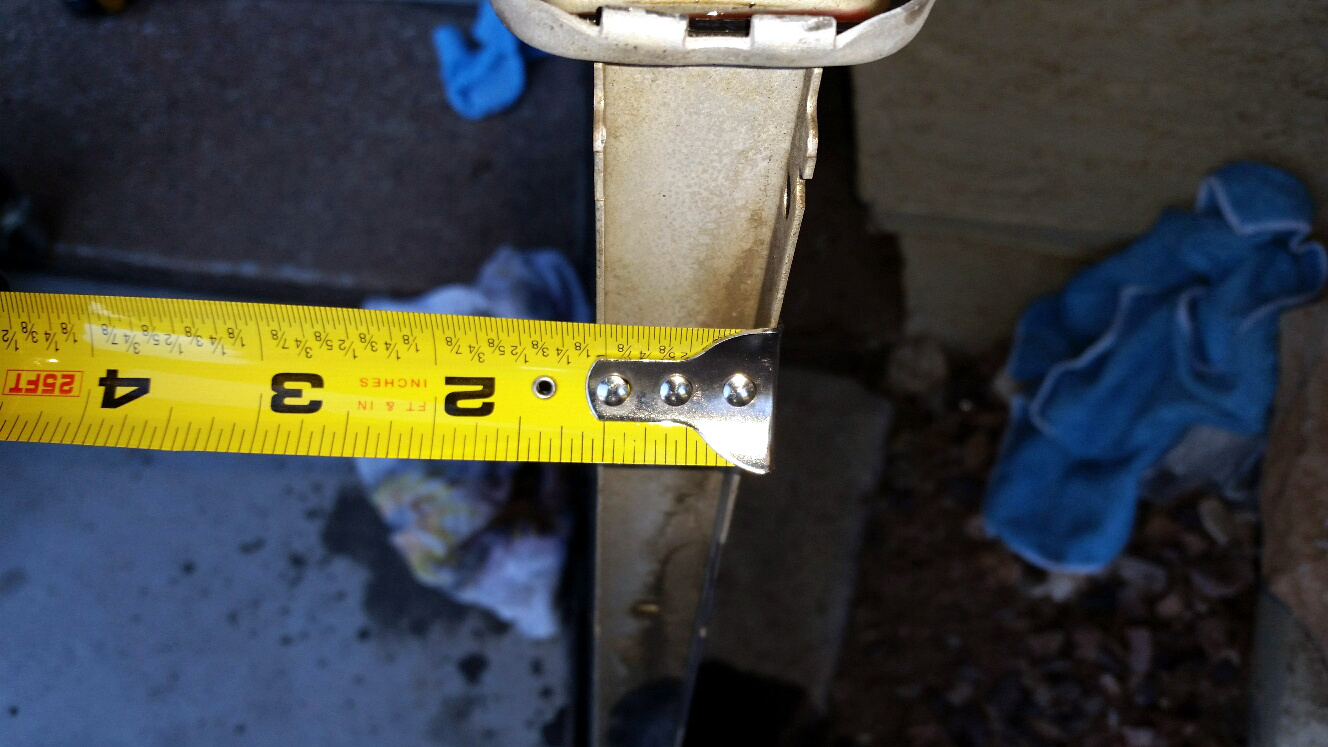
Stock core is 1" to note.
CORE%20THICKNESS.jpg


So in closing. This does not prove or disprove anything as I still have yet to see an actual failure point in a pink milkshake incident.

But what I can tell from this teardown of my own radiator - I cannot find any reason for concern in this well maintained coolant system that has been in a non-corrosive environment (salted roads / lots of moisture / rain)

 
Last edited:
I have had my Runner since 2004. Just flushed my trans today and I am adding an external cooler to mine this week to keep my transmission safe. This is the second time I have had to change out my radiator since owning this truck. I had to do it in 2009 because of a leak. Since I had it apart today to start adding the cooler, I took the time to really look around and found another small leak in my radiator. Nothing major. I think it was November when I last added coolant. Both radiators were OEM.

I don't know if it is electrolysis, bad maintenance, bad materials or bad luck, that causes "pink milkshake". What I can tell you is that I change out my antifreeze every 18-24 months and still found a hole today. I have tried Toyota red and the green stuff. Neither made a difference as far as radiator leaks go. I ended up both times with a radiator that had a hole in it.

I added the cooler for insurance; knowing what could happen. It is less expensive to add in a $70 aftermarket cooler then $1500 to replace a transmission. To me it is money well spent.
 

Members online

Forum statistics

Threads
278,309
Messages
3,554,071
Members
248,016
Latest member
Advally Service

Trending content

Back
Top