Tore down the radiator from the silver gunner today.
Facts:
- 220K original miles on this radiator
- From my 2002 SR5 4wd making it closer to 14 years old
- All original AZ car. Doubt it has ever seen salt or nasty corrosive conditions per the undercarriage condition and being an AZ vehicle
- Coolant flushed twice at dealer / verified. Averaged 70K miles between flushes. At 70ish, 140ish and then I replaced the rad.
Transmission cooler facts:
- No signs of electrolysis corrosion or other inside the core or on the transmission cooler core which would indicate poor system maintenance
- Hose ends were in excellent - new condition. Even the o-rings were plump and looked new on both the tank seals and the barb end seals
- I tried to induce a crack, rupture or other in the tranny cooler itself, bending it, flexing it, trying to twist it.... Thing was built solid. Tried to pry off the back end caps and they were rock solid and would not come off.
I cannot find any reason in any way that this particular car / radiator was in any danger of a pink milkshake at 220K miles with a well maintained cooling system (unless I can pinpoint an actual failure point in a system that had PMS and zero in on it). Will save this cooler for future comparison. Rad is going to recycle.
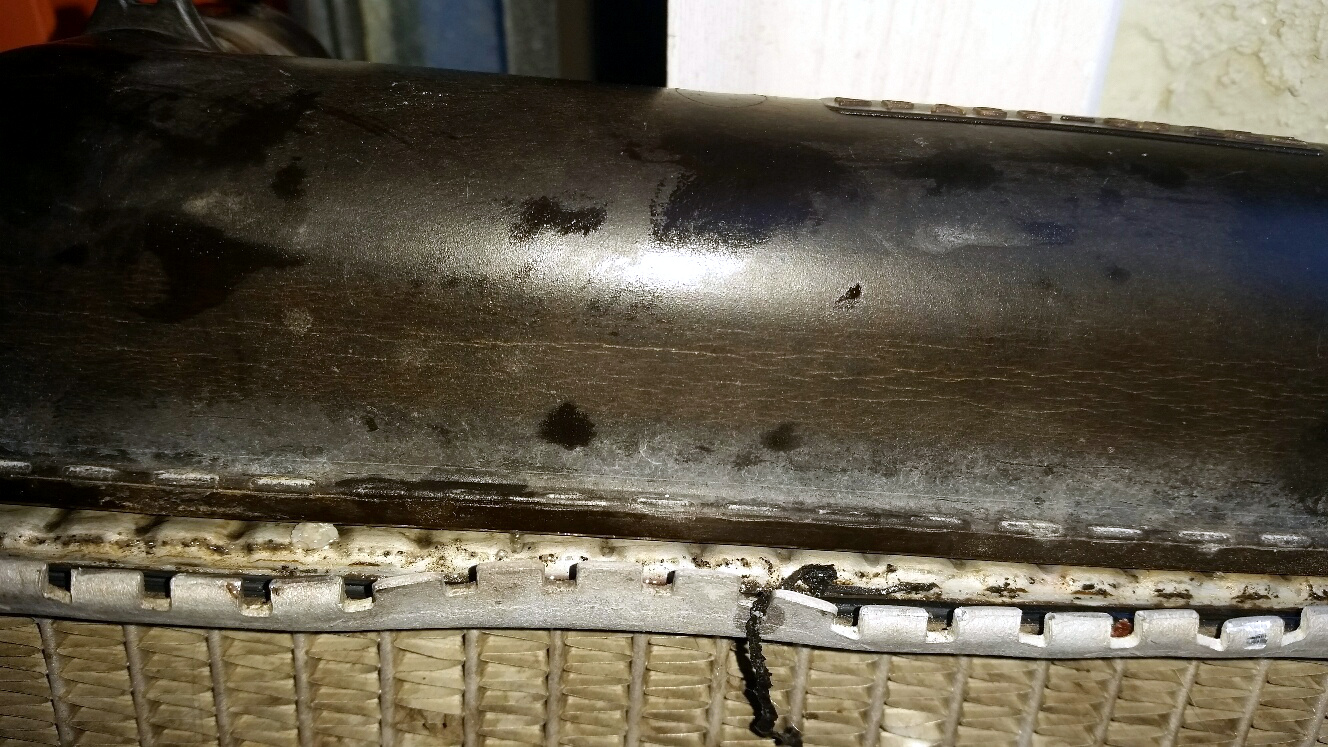
The only failure point that was possible on this rad that was obvious was the top tank. It had a ton of microfractures in the outside plastic that were visible in some spots on the inside as well. Same place my buddies original taco tank ruptured - along one of these cracks that opened up.
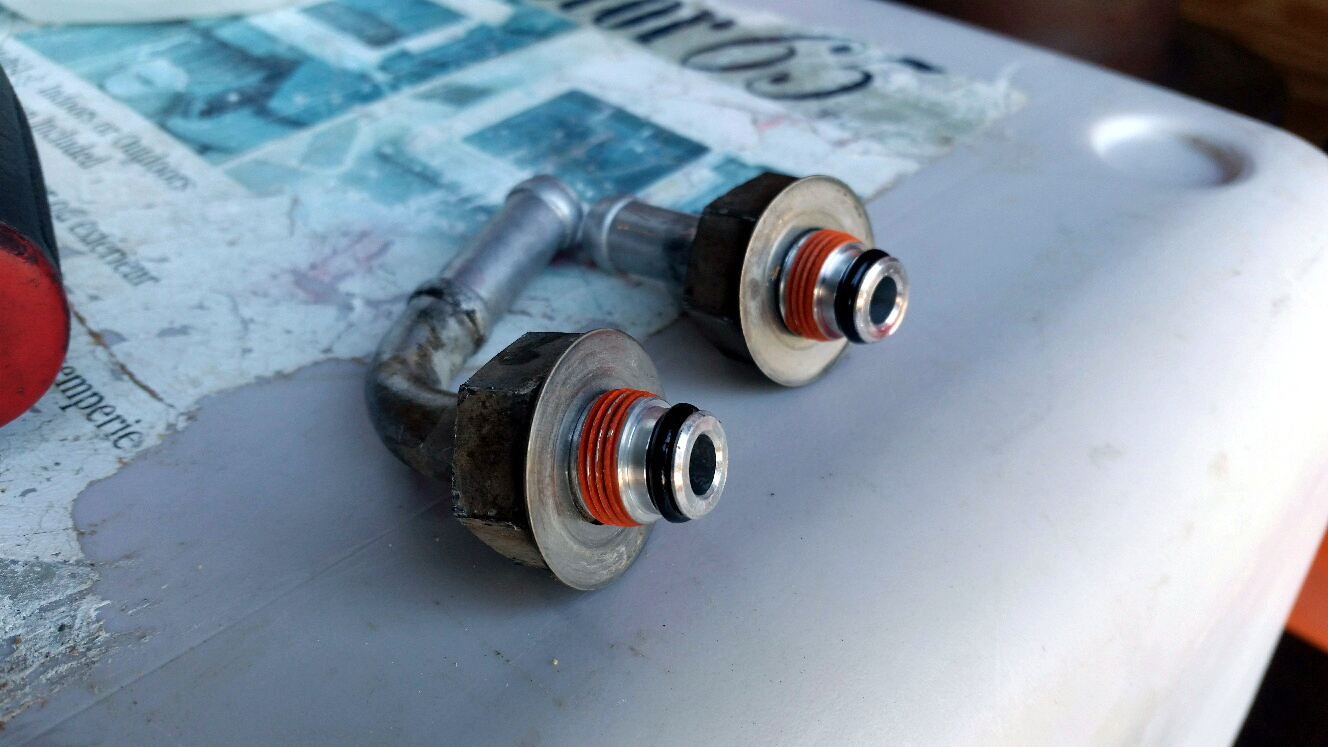
Photo of the tranny cooler hose barb ends. Looked brand new inside and metal was perfect other than grime from age.
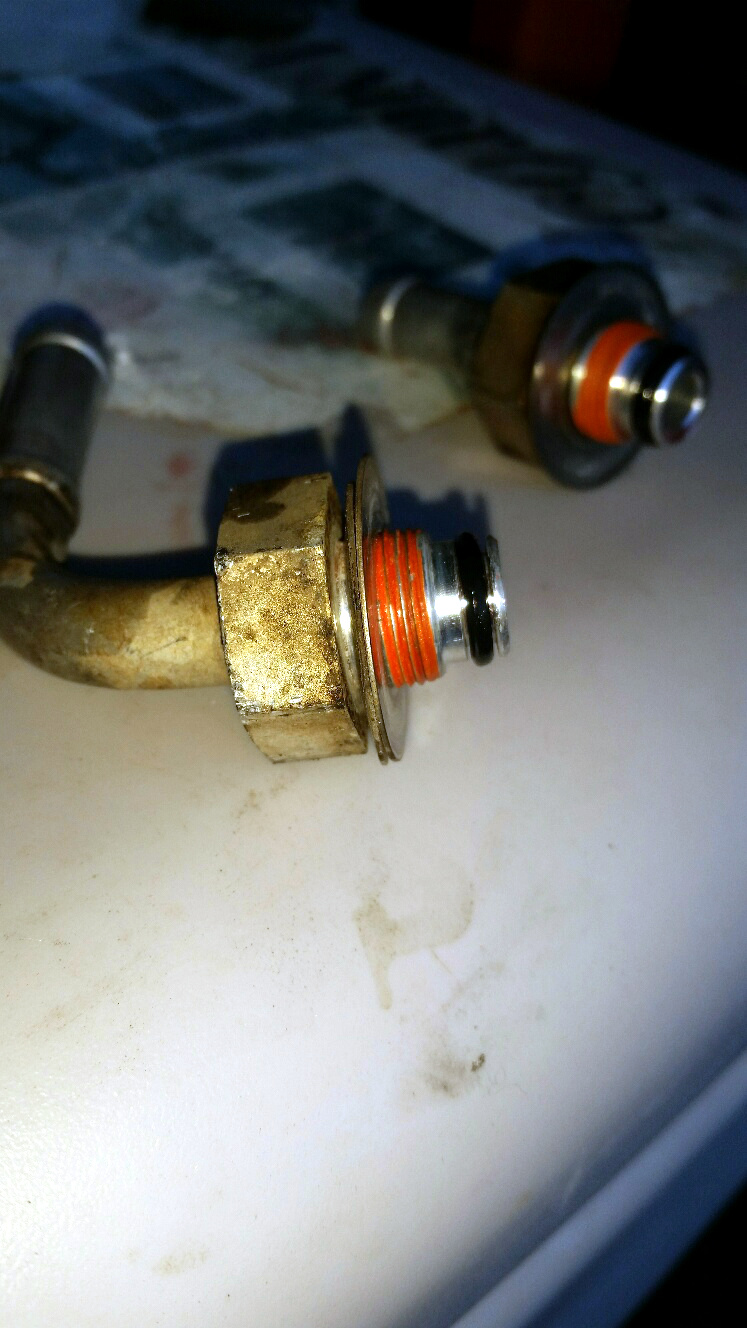
Took a photo of the barb with the flash on to show behind the washer. Nothing going on there either.
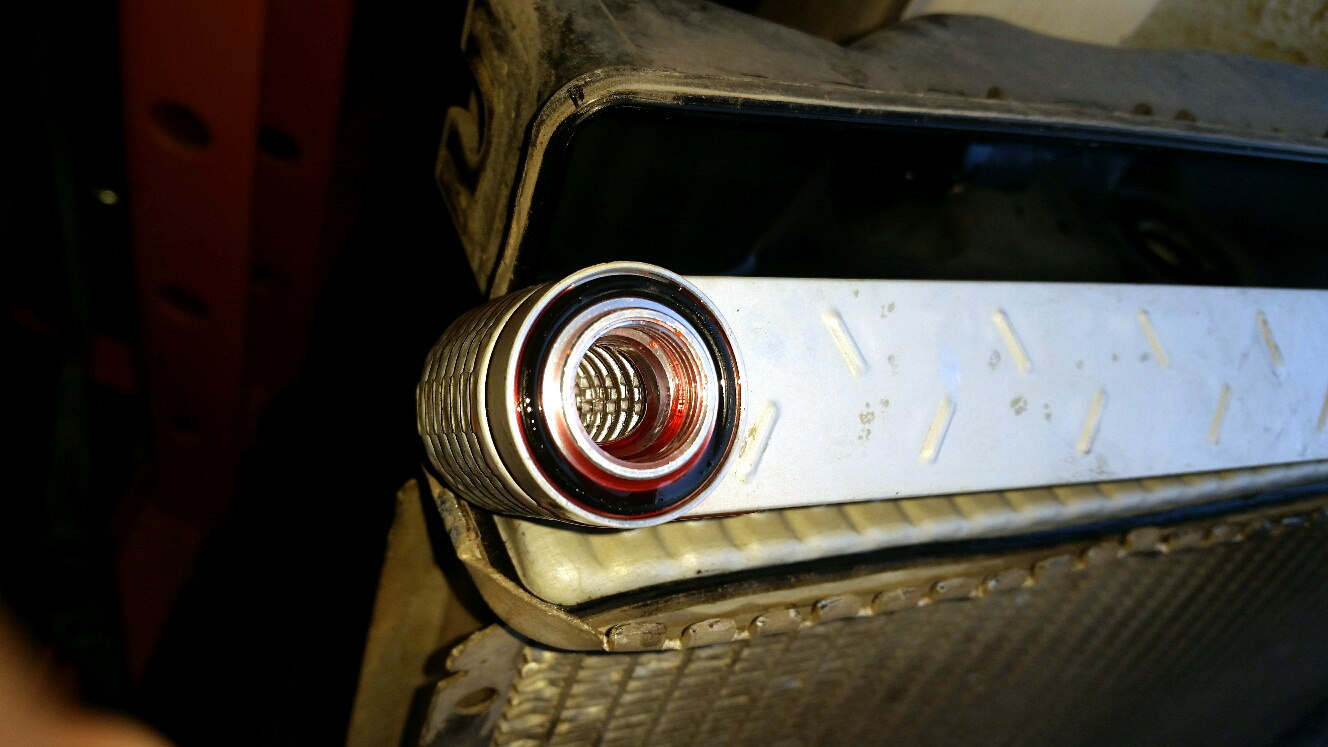
A look at the tranny cooler tank itself. Outside o-rings are perfect and tank looks brand new.
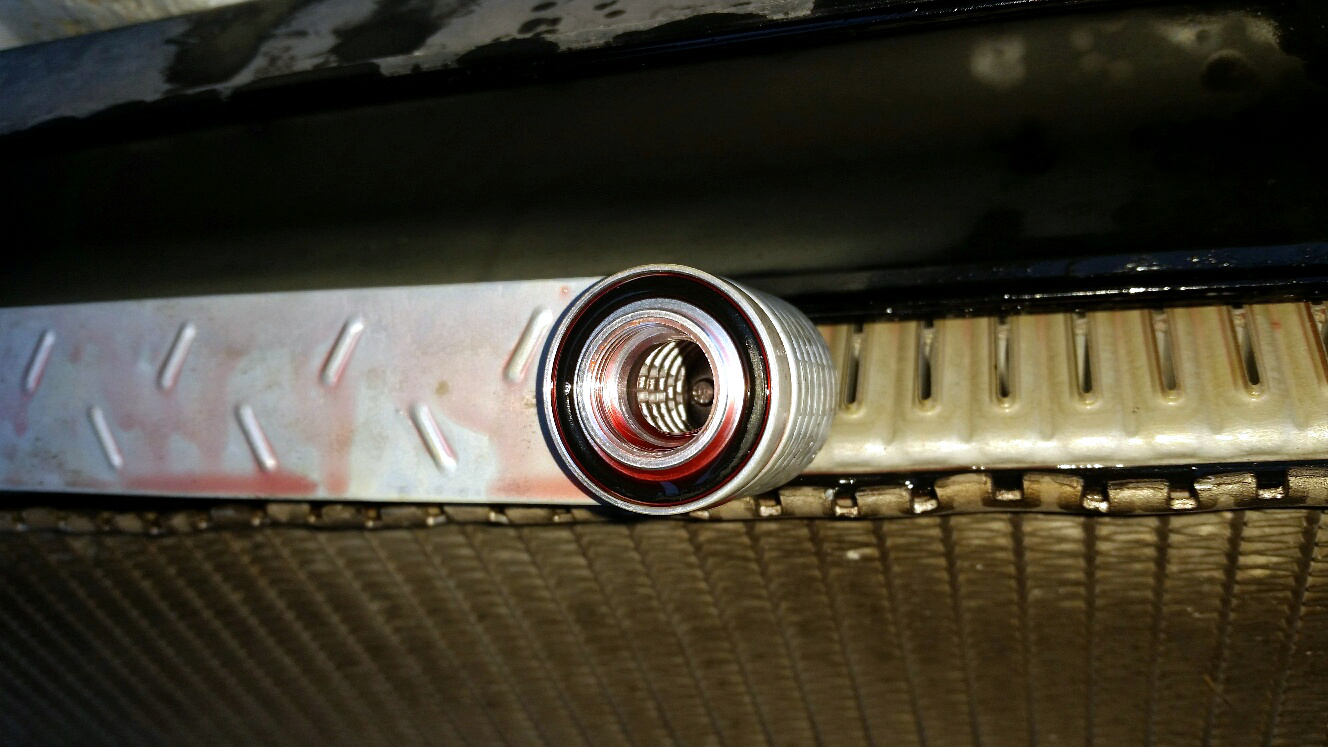
Other end. To note, these o-rings simply seal the cooler to the bottom plastic tank. If these fail, you will only get an external coolant leak.
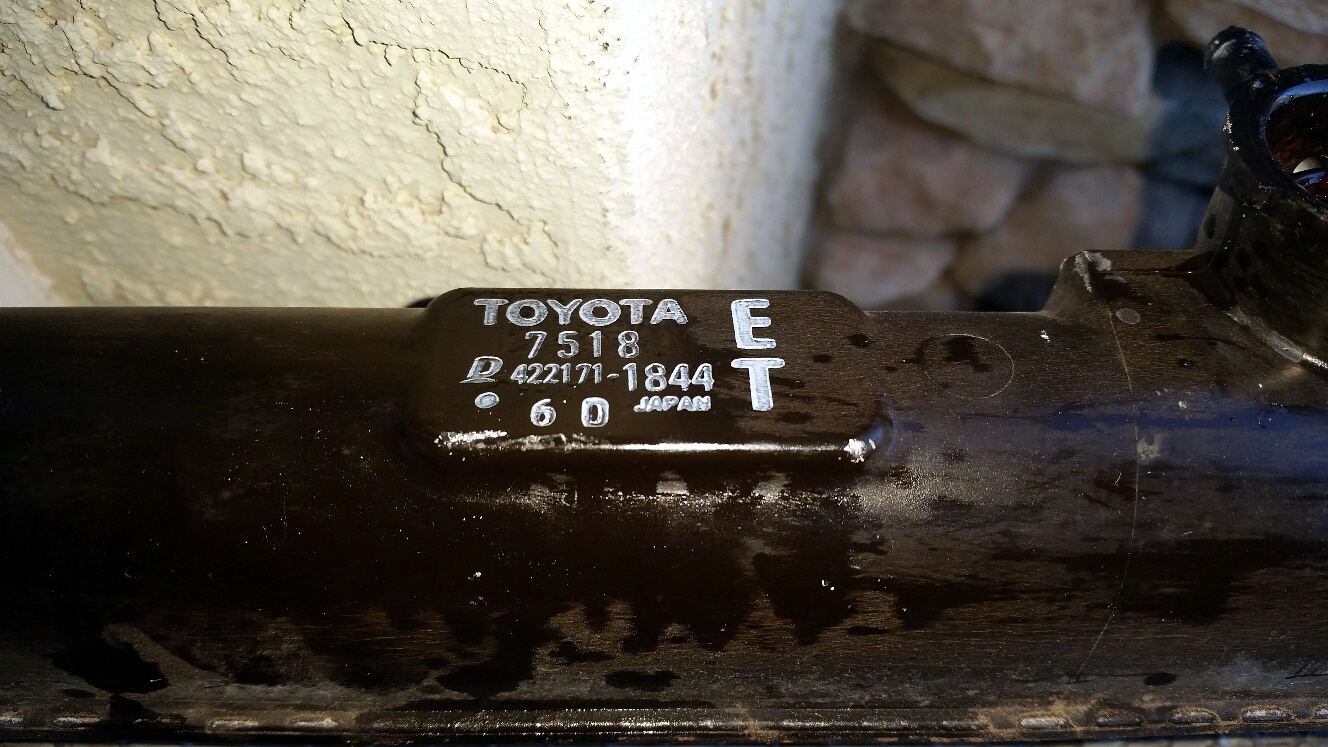
Showing this was an original radiator / Japan Denso core.
More of the plastic stress on the top tank from thermal expansion / cool-down over the years.
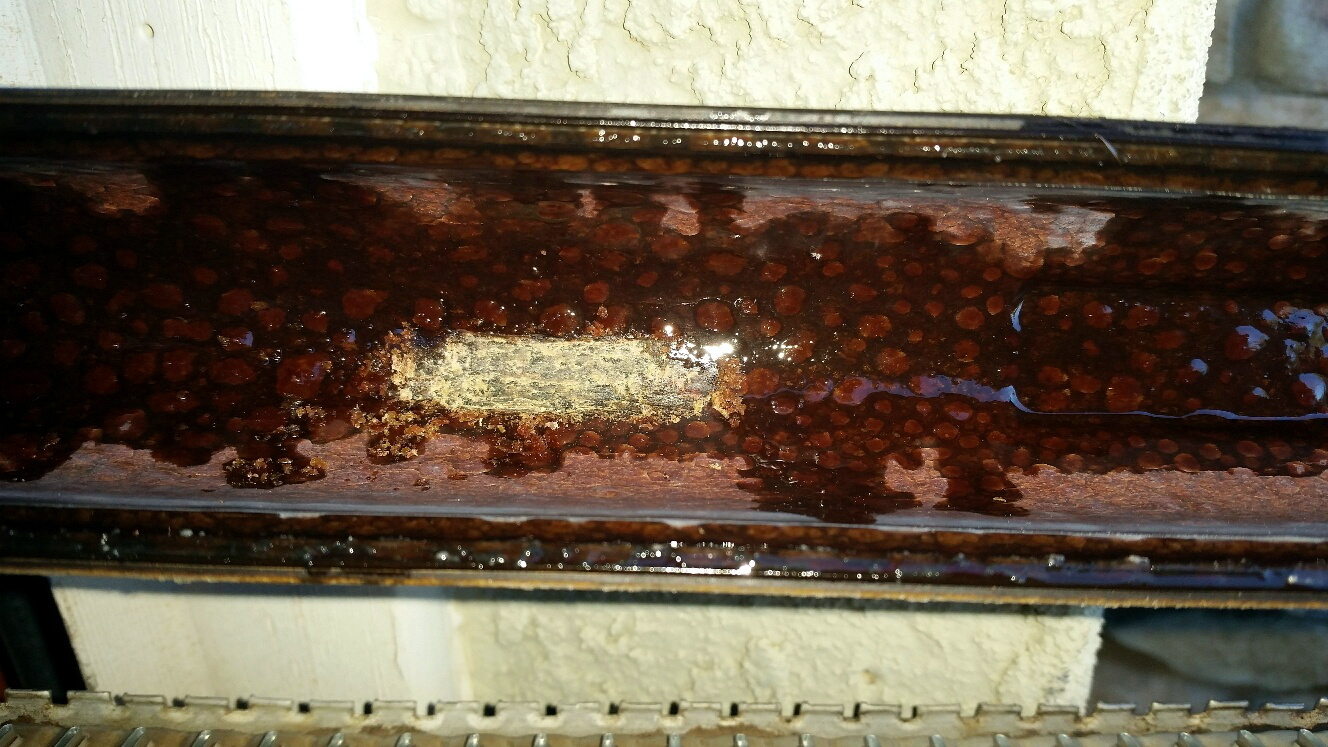
Some of the buildup in the top tank that happens due to the airgap. Normal. Scraped some of it away to view the plastic stress on the inside of the tank. Hard to tell in the photos, but it was evident.
Stock core is 1" to note.
So in closing. This does not prove or disprove anything as I still have yet to see an actual failure point in a pink milkshake incident.
But what I can tell from this teardown of my own radiator - I cannot find any reason for concern in this well maintained coolant system that has been in a non-corrosive environment (salted roads / lots of moisture / rain)