Borescope pics. Head gasket failure?

thewaydown

New member
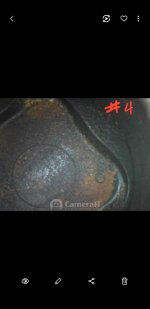
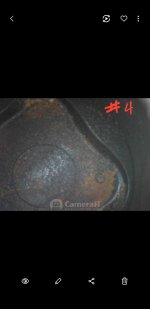
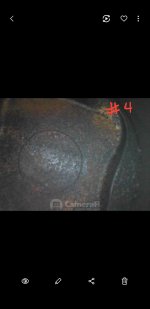
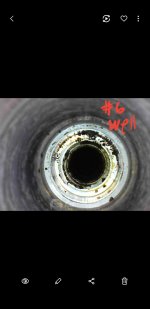
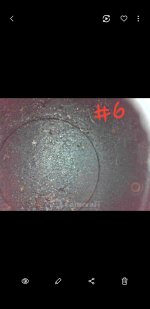
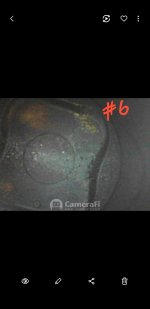
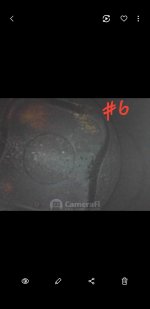
In a previous post I mentioned I just purchased an 03 4.0 v6 a few days ago. The coolant in the reservoir was low, and upon checking at home with a combustion tester, realized that the coolant was low in the radiator (could not see any upon removing the cap). It passed the combustion test (used one of those fluid testers). Has no codes, normal idle on cold start. No film under oil cap, tranny fluid is clean. Haven't investigated for radiator/water pump leaks, but haven't seen anything noticeable. Decided to pull #6 and #4 spark plugs and put a borescope inside to check for coolant in the cylinders.

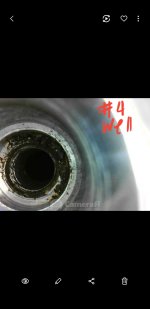
I am not familiar with HG leaks, or what a healthy cylinder looks like. I did, however, get a few pictures of the spark plug wells, and inside the cylinders. The wells were dirty at the bottom, and there was this greenish liquid about midway up the outside of both of the coil packs, it didn't smell like coolant, just smelled like combustion. #4 spark plug well looked dirtier than #6. The heck is all that gunk? It doesn't look like there is any liquid inside the cylinder, but the tops of the heads look a bit corroded/rusty? Like I said, I have no experience.

Here they are.
Screenshot_20190320-165002_Gallery.jpg

20190320_165254.jpg

Screenshot_20190320-165014_Gallery.jpg

Screenshot_20190320-165029_Gallery.jpg

Screenshot_20190320-164949_Gallery.jpg

Screenshot_20190320-164739_Gallery.jpg

20190320_165231.jpg

Screenshot_20190320-164811_Gallery.jpg
 

Attachments

  • Screenshot_20190320-165002_Gallery.jpg
    Screenshot_20190320-165002_Gallery.jpg
    93.2 KB · Views: 2,421
  • 20190320_165254.jpg
    20190320_165254.jpg
    88.3 KB · Views: 2,306
  • Screenshot_20190320-165014_Gallery.jpg
    Screenshot_20190320-165014_Gallery.jpg
    81.5 KB · Views: 2,119
  • Screenshot_20190320-165029_Gallery.jpg
    Screenshot_20190320-165029_Gallery.jpg
    83.7 KB · Views: 2,127
  • Screenshot_20190320-164949_Gallery.jpg
    Screenshot_20190320-164949_Gallery.jpg
    109.3 KB · Views: 2,391
  • Screenshot_20190320-164739_Gallery.jpg
    Screenshot_20190320-164739_Gallery.jpg
    117.9 KB · Views: 2,504
  • 20190320_165231.jpg
    20190320_165231.jpg
    81.4 KB · Views: 2,073
  • Screenshot_20190320-164811_Gallery.jpg
    Screenshot_20190320-164811_Gallery.jpg
    70.2 KB · Views: 2,192
Last edited:
Register to hide this ad
The spark plug hole photos wouldn't have any indication of head gasket failure, what I see in those photos is just a bit of a small possible oil leak from where the tube seals inside the valve covers.

The other photos of the top of the pistons dosen't seem show any coolant on the pistons, which is what you would be looking for as one possible indication of the V6 head gaskets failing.

To follow up I would test the coolant for any exhaust gases contamination, which is a tell tale sign of head gasket failure for the V6, if you find no contamination in the coolant I would say the gasket are still holding up at this point.
 
Most common issue is misfire upon cold starts because coolant pools in the combustion chamber over night. Might want to pull all the spark plugs out, get a cooling system pressure tester and apply about 15-18psi to the cooling system and let it sit like that over night. In the morning bore scope the cylinders and see if any of them have coolant pooling in them
 
All the photos of head gasket failures that I've seen had nice clean carbon-free pistons because water cleans out the carbon. I think you should flush the system and put the proper Toyota pink coolant in there and watch for leaks.
 
Agreed on the above - head gasket failures that allow coolant into a cylinder will create a steam blast that will clean pistons to an almost new looking condition. If you find a cylinder that is super clean - there is your leak. I used to have to shut the lights off in the shop and use mirrors to see down into the cylinders to verify suspected head gasket leaks. Now, a simple and cheap USB camera will give a decent picture of the guts inside with no more than simply removing the spark plugs and dropping these tiny devices down inside for a look. Wish we had half this technology back in those days - but then again, vehicles were also a whole simpler.

Sarge
 
If you're missing coolant, have you checked the radiator end caps for leakage?

Might even notice that the inside lower corners of the bash plate are moist from the lower end cap corners leaking.

Both my 4runners developed radiator leaks around 105K miles.
 
Most common issue is misfire upon cold starts because coolant pools in the combustion chamber over night. Might want to pull all the spark plugs out, get a cooling system pressure tester and apply about 15-18psi to the cooling system and let it sit like that over night. In the morning bore scope the cylinders and see if any of them have coolant pooling in them

Agreed. If you're losing coolant and think it's a headgasket leak, then the engine should be misfiring at startup. The pressure tester would be a good way to diagnose the problem.
 
Ues pressure test is the only way to do it. Needs to be done overnight and up to 24 hours to be sure. That said, may be your water pump, a hose or the radiator causing low coolant.
 
[MENTION=343893]thewaydown[/MENTION]. Look very closely at the drivers side lower edge of the radiator, near the petcock. Mine had a very slow leak there. You can see the drips. I posted about it here recently.
 
The spark plug hole photos wouldn't have any indication of head gasket failure, what I see in those photos is just a bit of a small possible oil leak from where the tube seals inside the valve covers.

The other photos of the top of the pistons dosen't seem show any coolant on the pistons, which is what you would be looking for as one possible indication of the V6 head gaskets failing.

To follow up I would test the coolant for any exhaust gases contamination, which is a tell tale sign of head gasket failure for the V6, if you find no contamination in the coolant I would say the gasket are still holding up at this point.

That makes sense. Maybe I should see about replacing the valve cover gasket.

I actually tested the coolant with a combustion gas tester and it passed. Gave me a little peace of mind, but i'm still a little uneasy, haha.
 
Most common issue is misfire upon cold starts because coolant pools in the combustion chamber over night. Might want to pull all the spark plugs out, get a cooling system pressure tester and apply about 15-18psi to the cooling system and let it sit like that over night. In the morning bore scope the cylinders and see if any of them have coolant pooling in them

Ues pressure test is the only way to do it. Needs to be done overnight and up to 24 hours to be sure. That said, may be your water pump, a hose or the radiator causing low coolant.


I know this is a great way to test, but i've been weary about doing it. Would applying pressure to the system and leaving it over night cause/worsen any problems that didn't already exist?
 
I also recommend the pressure test overnight, it’s a common practice at the toyota dealer as well. Keep it at the radiator cap specification and you’ll be fine.
 
Advance Auto usually has a very nice cooling system pressure tester kit in their loaner tool program. Ensure your cooling system is completely full before testing...don't want air as it is compressible. As stated above, pump it up to the cap's rated pressure and watch it for a few minutes to verify pressure doesn't drop off. If it does drop off, reapply pressure and start inspecting for fresh coolant leaks including the combustion chambers, radiator end tanks, and hose connections. If you're losing pressure but can't find the source, UV dye and a black light can help.
 
Most common issue is misfire upon cold starts because coolant pools in the combustion chamber over night. Might want to pull all the spark plugs out, get a cooling system pressure tester and apply about 15-18psi to the cooling system and let it sit like that over night. In the morning bore scope the cylinders and see if any of them have coolant pooling in them

I'm going to be doing this tonight. Just want to clarify that I should take the spark plugs out, and leave them out while the pressure tester is loaded over night?
 
I also recommend the pressure test overnight, it’s a common practice at the toyota dealer as well. Keep it at the radiator cap specification and you’ll be fine.

Advance Auto usually has a very nice cooling system pressure tester kit in their loaner tool program. Ensure your cooling system is completely full before testing...don't want air as it is compressible. As stated above, pump it up to the cap's rated pressure and watch it for a few minutes to verify pressure doesn't drop off. If it does drop off, reapply pressure and start inspecting for fresh coolant leaks including the combustion chambers, radiator end tanks, and hose connections. If you're losing pressure but can't find the source, UV dye and a black light can help.

Ues pressure test is the only way to do it. Needs to be done overnight and up to 24 hours to be sure. That said, may be your water pump, a hose or the radiator causing low coolant.

Agreed. If you're losing coolant and think it's a headgasket leak, then the engine should be misfiring at startup. The pressure tester would be a good way to diagnose the problem.

I got the loaner pressure tester from advance auto the other night, pulled the spark plugs, made sure the coolant was topped off (or at least I thought it was), , poured some UV dye in, cleaned the area where the radiator cap is to be sure to get a good seal, and pumped it up to 15 psi. It started loosing pressure fairly quickly. I'd say within about 15 minutes it lost about 5 psi. It kept going lower and lower, so I released the pressure, pulled the pump off, and it looked like the coolant level in the radiator had gone way down. I checked for leaks in the cylinder, around the radiator, tried to visually inspect the water pump, checked the engine and transmission oil, and all of the hoses. No leak/sign of dye. I figured, the cooling system wasn't burped properly. since I had the spark plugs out and intake/air filter housing out of the engine, I couldn't start it to burp it properly. I just topped it off at the radiator and gently squeezed the hoses and, sure enough, there were air pockets. Topped it off again, burped until I didn't see/hear bubbles, and re-applied the pump and pressurized again. PSI dropped again, but about half as slow as the first time. I took one of those old people audio amplifier things with headphones on, and listened to see if maybe the pump itself was leaking, or maybe there wasn't a good seal at the radiator. Didn't hear any air leaking, but when I had the amplifier near the radiator cap, I could hear quiet bubbles. That made me think that there was still some air trapped. I waited about an hour to see if the psi kept dipping, and it did. I let it get to around 8 psi, and took the pump off again. Low and behold; the coolant level in the radiator had dropped again. I checked for leaks in every possible area again, and there was nothing. Burped it, and more bubbles came out. Topped it off, burped it again, cleaned the cap area, and reapplied pressure. This time, the pressure dropped from about 15 psi, to about 12.5 psi. It was late, so I just left the pump all night (like I had originally planned) and checked it in the afternoon the next day (12 hours later). I was completely expecting the pump to be at 0 psi, but it wasn't! It stayed at 12.5 psi. I checked again for leaks in the cylinders and everywhere else; nothing. I released the pressure, took the pump off, and the coolant in the radiator was a little low again, but not as low as before. Pretty sure it STILL wasn't burped properly prior to pressurizing for the last time. Which might explain why the pressure dropped slightly, and then held.

Didnt intend to write a short novel, but there you go. Don't know if my logic about the air pockets is spot on, but thats what made sense to me.
 
Assuming my logic is correct, I think whenever the previous owner last had the coolant replaced, they didn't burp it properly, therefore the coolant was fairly low. Who knows how long it has been that way. The last record I saw of it being replaced was the khameleon stuff back in 2015.

Sent from my SM-N960U using Tapatalk
 
I'm going to be doing this tonight. Just want to clarify that I should take the spark plugs out, and leave them out while the pressure tester is loaded over night?


Read this thread. It talks about the dealer compression test and how a common radiator pressure test misses HG failure.

Coolant Reservoir Bubbling and Filling Up. | Tacoma World/

Dealer does a near 100 psi 24 hour test. Testing at combustion pressure. Which is why I said dealer.

That said maybe you found your issue. But 03-06 1GRFE at highest risk for HG failure.
 
Last edited:
So there was air in the cooling system, and you've mostly removed it. Set the coolant level w/ the radiator all the way full, mark the level on the reservoir tank cold, and then keep an eye on it after a few cycles of driving. It should fall to the same level when the engine is cold.
 

Members online

Forum statistics

Threads
278,310
Messages
3,554,080
Members
248,016
Latest member
Advally Service

Trending content

Back
Top