mynameistory
New member
I have to ask because I could not find anything on the net about silicone being bad for paint in regards to sealing a roof rack as example. I saw multiple web sites saying that modern paint contains silicone as it helps flow through the sprayers. Some car wax contains silicone, windshield sealant is silicone.
Do you have any links that show its actually harmful? I'm just wondering because as I've used it in many automotive sealant areas like adding grommets for exterior lighting etc. maybe I haven't kept the rigs long enough to see damage but I've never read anything bad about until now. Thanks!
Let's clarify: there are a lot of different kinds of sealants, there are a lot of different kinds of silicone, there are a lot of different kinds of silicone sealants. Some people use the words "silicone" and "sealant" interchangeably, even though not all sealants have silicone, and not all silicone products are sealants.
What I can't do is give you an exhaustive list of every kind of sealant that everyone has used to seal a roof rack, and whether or not they are compatible with paint, metal, weathering, UV exposure, etc. I caught some flak when I posted this to a Facebook group. Lots of people said "stop making blanket statements, I used XYZ sealant on my roof and it's fine". Sorry, but I would rather make blanket statements that encourage research and PREVENT accidents like this happening, even if I'm not being inclusive of exceptions.
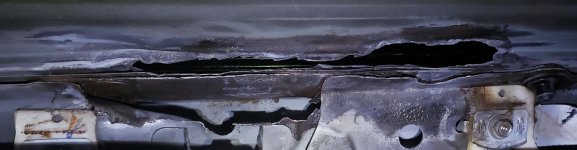
Sure, some acetic silicone sealants appear to be corrosive to bare metal. However, my assertion isn't that the sealant corroded the metal in OP's roof. What I'm suggesting is that by using a sealant that cures and hardens (as well as removal/reinstallation of the rack without new sealing), it shrank back from the surfaces it was bonded to. This allowed moisture to creep into the joints and stagnate, causing runaway oxidation.
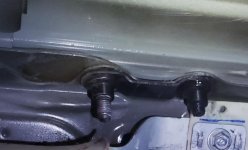
This is why I advise against using a sealant that cures and hardens (like most silicone sealants). Most silicone based sealants are not made for continuous exposure to the elements and sunshine (UV) that can make things very hard and brittle. Also, you have to consider that your vehicle roof goes through hugely dynamic situations like vibration, heat/cold cycles that expand and contract the sheetmetal, weight loading, etc.
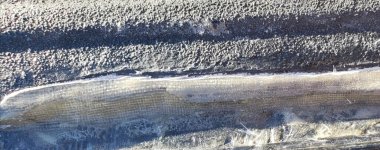
Butyl rubber is what OEM applications use because it's a sealant that never cures. It can move with dynamic applications without losing its bond and seal. It's also fairly inert and easy to remove, even after years of service. Can you imagine chipping hardened silicone sealant off of your roof rack mounts in ten years?
By the way, your last example (windshield sealant): that's butyl rubber too :wink2: