Need some guidance between E load and SL

^^ Looks great!

I haven't lost any fuel economy going from oem Bridgestones to 33.1" diameter tires that are 11 pounds heavier at each corner. Granted, mine are also slightly thinner 255 vs 265 (10.0" vs 10.7" width). There seems to be this widespread perception, mostly on this forum, that going to an E load tire will translate to a harsh ride. I think it's overblown. My experience has been the exact opposite. I feel the ride quality is better and more controlled than it was on the Bridgestones, especially driving over rough pavement.

I only have 1800 miles on my Toyos, but they have been anything but harsh, no mpg penalty, and only slightly louder than the Bridgestones on the freeway. We'll see how they do as they wear down. I expect they will get louder over time, as most A/T tires do.

With these trucks, your fuel economy will be proportional to how heavy your right foot is, and how fast you drive on the freeway. They have the aerodynamics of a brick.
 
I was netting ~19.5 mpg while cruising at 65 on a flat highway this weekend with skis in a Yakima rack and a trunk full of luggage with SL ATX's in stock size. I had the same concern about SL vs E for the ATX's, but ultimately went with SL due to this being A) a near-daily driver, B) spending a solid amount of time in the snow during the winter and C) offroading trails are mild in Oregon. I may do E's the next time around as a comparison, but the MPG hit could be painful.
 
I do not regret my E-loads at all. I had SL from factory, switched to C load, now I have E load. I will never be going back. A little bit of difference when going over bumps but not much, I got used to it in a couple of days. I can't see any noticeable gas mileage difference. The biggest gas mileage difference occurred after my lift. Wind resistance is the biggest killer of gas mileage.

Not noticing the MPG difference doesn't mean it's not there. It's also un-sprung weight, primarily at the circumference of the tires.

According the toyo site, the weight penalty is 9lbs for the 265/70/17 tire. 36lbs at 17in..... it's about an extra 51ft-lbs of force (at the rim). That's equivalent to 510ft-lbs when it's 1.2" away from the spindle (or think of it as a small rim).
 
Good decision on the E Loads I swapped out my Terra Grapplers after around 4K miles. Just remember you gotta run a higher tire pressure to accommodate similar load ratings to your factory P metric tires. Have fun with your new Pro!


Sent from my iPhone using Tapatalk
 
Good decision on the E Loads I swapped out my Terra Grapplers after around 4K miles. Just remember you gotta run a higher tire pressure to accommodate similar load ratings to your factory P metric tires. Have fun with your new Pro!


Sent from my iPhone using Tapatalk

Thank you. I was thinking 44 PSI based off of calculators. Afterwards I’ll do adjustments based off of a chalk test.
 
Smart going with E, even though they may be considered overkill; also if you're ever airing down on the trails you'll be much happier vs. the SL. I used my stock Nittos for 40K miles and 3 years; I aired them down 4-5 times a year and they ultimately were replaced due to a side bulge vs. too much tire wear. I'm now running c load KO2s.
 
Not noticing the MPG difference doesn't mean it's not there. It's also un-sprung weight, primarily at the circumference of the tires.

According the toyo site, the weight penalty is 9lbs for the 265/70/17 tire. 36lbs at 17in..... it's about an extra 51ft-lbs of force (at the rim). That's equivalent to 510ft-lbs when it's 1.2" away from the spindle (or think of it as a small rim).

The driving characteristics in going from the 39 lb oem (31.7") tire to a 50 lb (33.1") tire have been slightly different. A heavier tire means more rotating mass = more angular momentum once the vehicle is in motion. It doesn't accelerate quite as fast, and it's a little harder to stop, but it also coasts better. For me this has translated to a very small reduction in stop & go city mileage and a very small increase in highway mileage. I do a mix of city/highway driving, so my average fuel economy hasn't changed. I have logged every fill-up on fuelly.com since new. My average on the oem tires through 16500 miles was 19.5 mpg. On my pizza cutters it's at 18.7 mpg, which is actually slightly higher than 19.5 when correcting for a larger diameter tire (657 revs/mile on oem vs 628 revs/mile on the Toyos).
 
The driving characteristics in going from the 39 lb oem (31.7") tire to a 50 lb (33.1") tire have been slightly different. A heavier tire means more rotating mass = more angular momentum once the vehicle is in motion. It doesn't accelerate quite as fast, and it's a little harder to stop, but it also coasts better. For me this has translated to a very small reduction in stop & go city mileage and a very small increase in highway mileage. I do a mix of city/highway driving, so my average fuel economy hasn't changed. I have logged every fill-up on fuelly.com since new. My average on the oem tires through 16500 miles was 19.5 mpg. On my pizza cutters it's at 18.7 mpg, which is actually slightly higher than 19.5 when correcting for a larger diameter tire (657 revs/mile on oem vs 628 revs/mile on the Toyos).


Did you have to do any liner mods to fit on the pizza cutters ??
 
Unfortunately Toyo doesn’t make the AT3 in C load. The KO2s in the 2019 were C load and I felt like it was the perfect compromise. But with these Toyo’s, I’m so torn. Maybe I should look into something else…

I have the Toyo AT3 285/70/17 C load. I got it at America's Tires (Discount Tires outside of CA), they didn't have it listed, but I called them and somehow they apeared. They're listed on Toyo website, so they exist, any tire place will have them shipped.

C is the happy medium, the sidewall protection isn't that much worse then E, the weight is usually better, and you also get a lot more flex when you air down.
 
Pizza cutters are only good in very rare situation off-road. If you're looking for a bigger looking tire and want to save on MPGs, then it's ok.

If you want traction on rocks, floating on sand and snow, and generally best off-road performance the bigger the contact patch the better. We air down to increase the contact patch. Tall tires give us clearance, width give us traction.
 
I have the Toyo AT3 285/70/17 C load. I got it at America's Tires (Discount Tires outside of CA), they didn't have it listed, but I called them and somehow they apeared. They're listed on Toyo website, so they exist, any tire place will have them shipped.

C is the happy medium, the sidewall protection isn't that much worse then E, the weight is usually better, and you also get a lot more flex when you air down.

I’d totally go with C load but they only make SL and E in 265/70/17. I don’t want to go 285 because I don’t want to do any body modification yet and I don’t want to mess with the speedometer.
 
I’d totally go with C load but they only make SL and E in 265/70/17. I don’t want to go 285 because I don’t want to do any body modification yet and I don’t want to mess with the speedometer.

If you're doing stock, I'd look at Falken Wildpeaks SL, as good as you can get for pretty much everything but super deep mud. Mud isn't off roading btw, and MTs aren't better on dry rock because they have reduced contact patch.
 
Last edited:
Pizza cutters are only good in very rare situation off-road. If you're looking for a bigger looking tire and want to save on MPGs, then it's ok.

If you want traction on rocks, floating on sand and snow, and generally best off-road performance the bigger the contact patch the better. We air down to increase the contact patch. Tall tires give us clearance, width give us traction.

I beg to differ

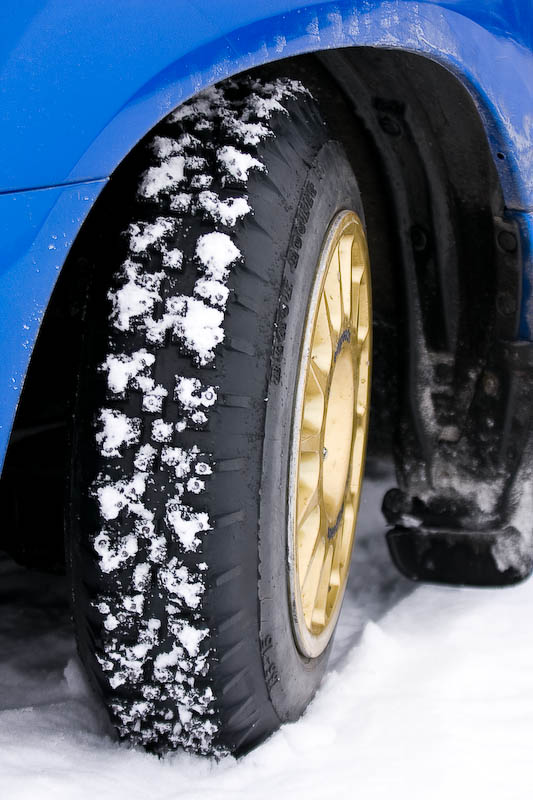
38487d1296137276-wow-these-4-runners-kick-butt-snow-wrc-subbie-snow-jpg.jpg


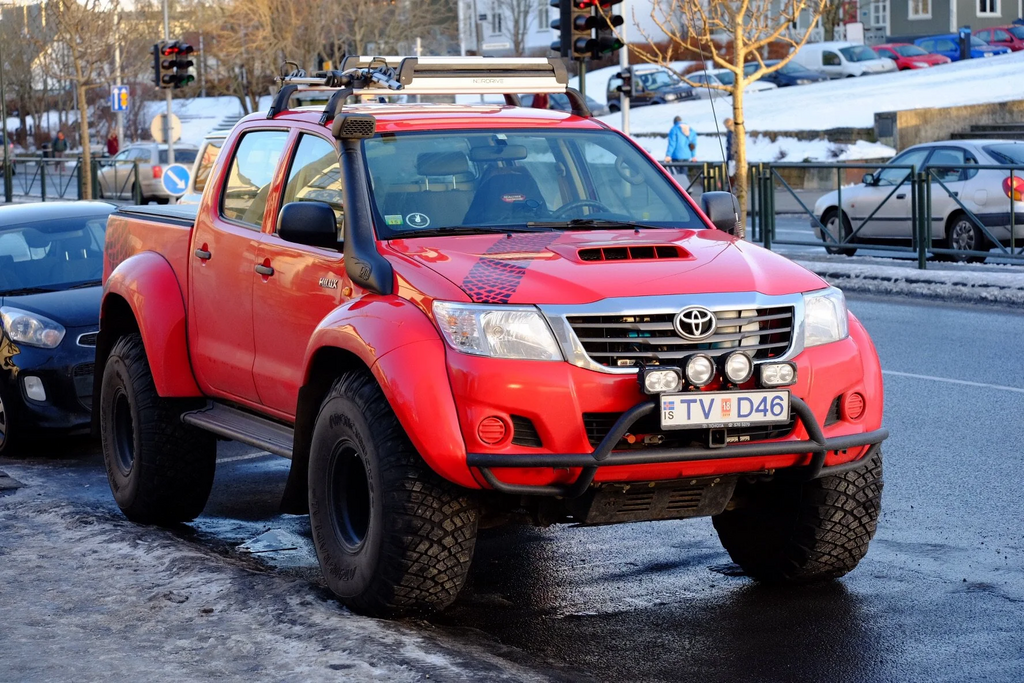
index-php-action-dlattach-topic-102432.jpg


Unless you own something like this you're not going to be "floating" on snow:

Vrd2-Bi6yd0hd-AX-Sx-LSQSFnjlh4e-LFEx-WSYTgrfey-K8.png
 
Last edited:
If you're doing stock, I'd look at Falken Wildpeaks SL, as good as you can get for pretty much everything but super deep mud. Mud isn't off roading btw, and MTs aren't better on dry rock because they have reduced contact patch.

Yeah, I’m starting to think SL now. Wilepeaks and Duratrac and Toyo AT3s are on my short list of SL tires. I really don’t get to go out and do as much off-roading as I’d like. When I do go, it’s places like Joshua Tree, Death Valley and easy/green trails.
 
Yeah, I’m starting to think SL now. Wilepeaks and Duratrac and Toyo AT3s are on my short list of SL tires. I really don’t get to go out and do as much off-roading as I’d like. When I do go, it’s places like Joshua Tree, Death Valley and easy/green trails.


Check out the ATX. Inexpensive and very well thought of.


Sent from my iPhone using Tapatalk
 
Did you have to do any liner mods to fit on the pizza cutters ??

I haven't had to do any trimming (yet). Off Road (Trail) wheels and stock suspension. I occasionally get minor rubbing on the left front mudflap when the wheel is turned left, but only if I'm braking hard or hit a dip. It's so minor I don't worry about it.

Lift and UCAs are going on in a couple weeks. Can't wait :whoo:
 
Pizza cutters are only good in very rare situation off-road. If you're looking for a bigger looking tire and want to save on MPGs, then it's ok.

If you want traction on rocks, floating on sand and snow, and generally best off-road performance the bigger the contact patch the better. We air down to increase the contact patch. Tall tires give us clearance, width give us traction.

Traction is proportional to pressure (weight per unit area). A given weight will put more pressure on a smaller contact patch. Skinnies will always do better on any kind of firm soil, including snow and ice. They also steer better.

One example of this is why people put additional weight directly over a truck's rear axle to gain traction on a rear wheel drive truck. The contact patch doesn't change, but adding additional weight increases the pressure applied by the tires.
 
Last edited:
Yeah, I’m starting to lean towards SL.

Most tire manufacturers allow a trial period, say 30 to 60 days or 500 miles, something like that. You can try a C or E load, and if you don't like them for any reason, just return them to the store and swap them out for something else. People do it all the time.
 

Members online

Forum statistics

Threads
278,309
Messages
3,554,075
Members
248,016
Latest member
Advally Service

Trending content

Back
Top