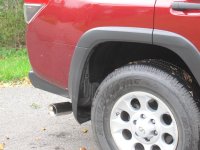
I can honestly say I've only smelled fumes a handful of times. And the truck was in open loop each time (not at operating temperature), which is to be expected. And I'm willing to bet if you measured actual Hydrocarbons in a modern car, they would be low.
The real threat from exhaust gases is and always will be CO. If you really want to start analyzing potentially hazardous materials in a vehicle, you could find several, depending on how hard you look. Look at all of the different materials in your interior. Didn't a report come out that identified potentially toxic adhesives and sealers used on the plastics (hence, the new car smell?)
You probably come into contact with hazardous chemicals more from your drinking water, then you do the back window of your T4R. Ask your local state health department about all of the disinfection byproducts they find in city water.
I'm off to go play with some lead toys
Riser
BackWindowDowDrivin'RebelFoolWhoSmellsLikeExhaust
The real threat from exhaust gases is and always will be CO. If you really want to start analyzing potentially hazardous materials in a vehicle, you could find several, depending on how hard you look. Look at all of the different materials in your interior. Didn't a report come out that identified potentially toxic adhesives and sealers used on the plastics (hence, the new car smell?)
You probably come into contact with hazardous chemicals more from your drinking water, then you do the back window of your T4R. Ask your local state health department about all of the disinfection byproducts they find in city water.
I'm off to go play with some lead toys
Riser
BackWindowDowDrivin'RebelFoolWhoSmellsLikeExhaust