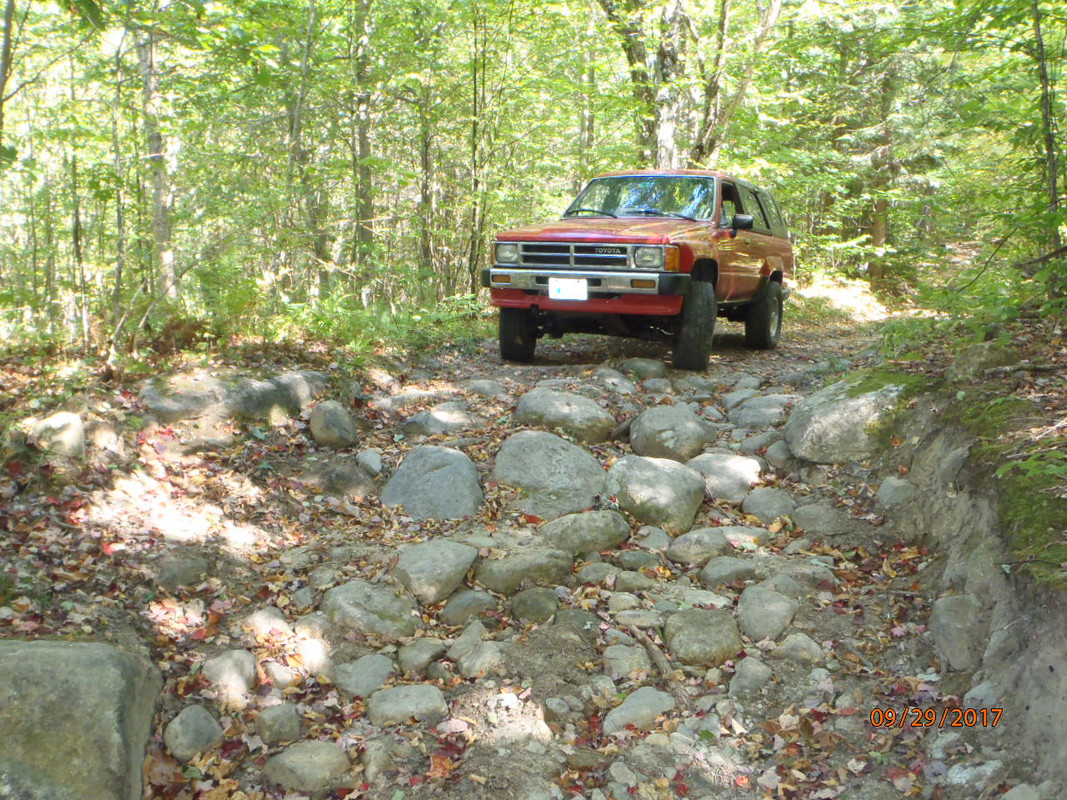
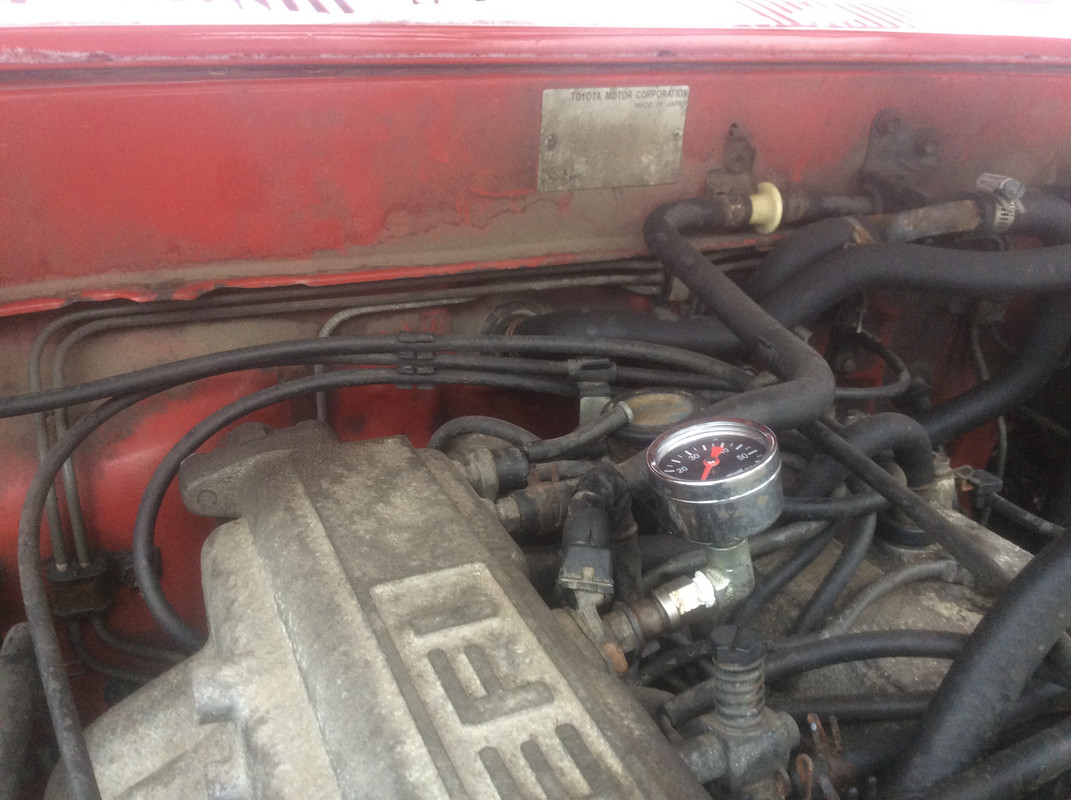
after a nice long spell of easy starting and running well, my 22re began acting difficult to start a few weeks ago, with symptoms that seemed to be indicating flooding/too rich.
wasn't a problem overnight, but was an issue if attempting to start again after running, and shutting off for at least a minute. cold or hot engine made no difference.
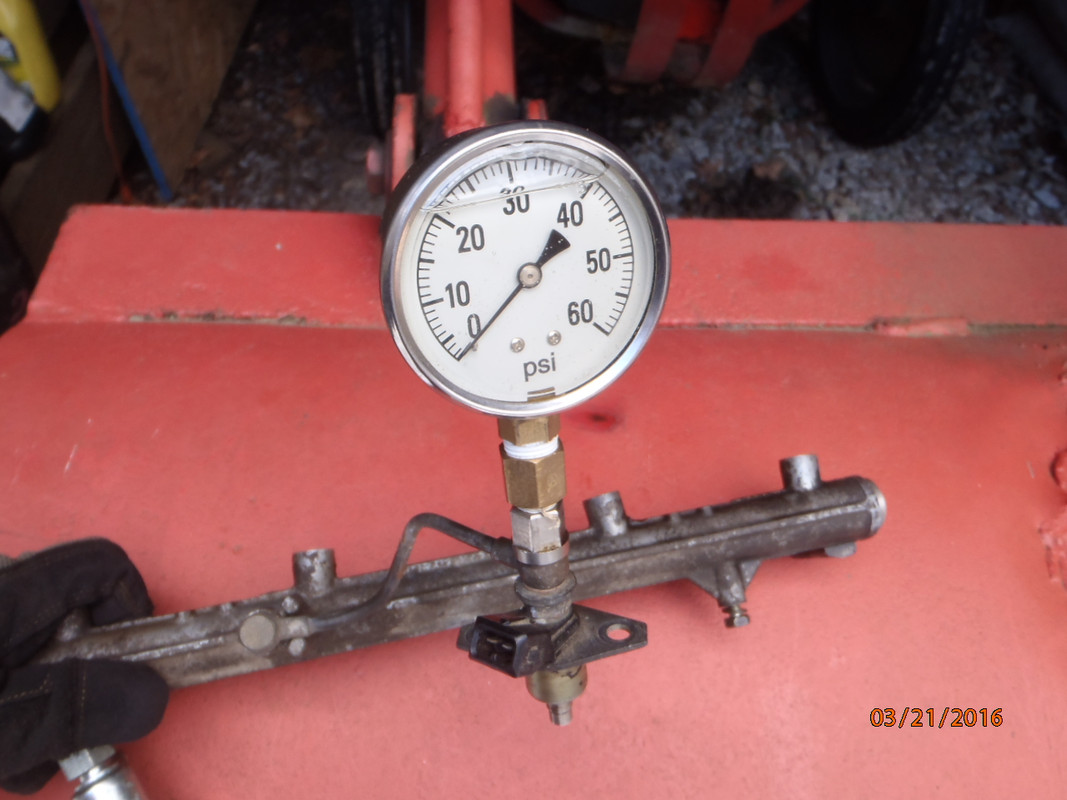
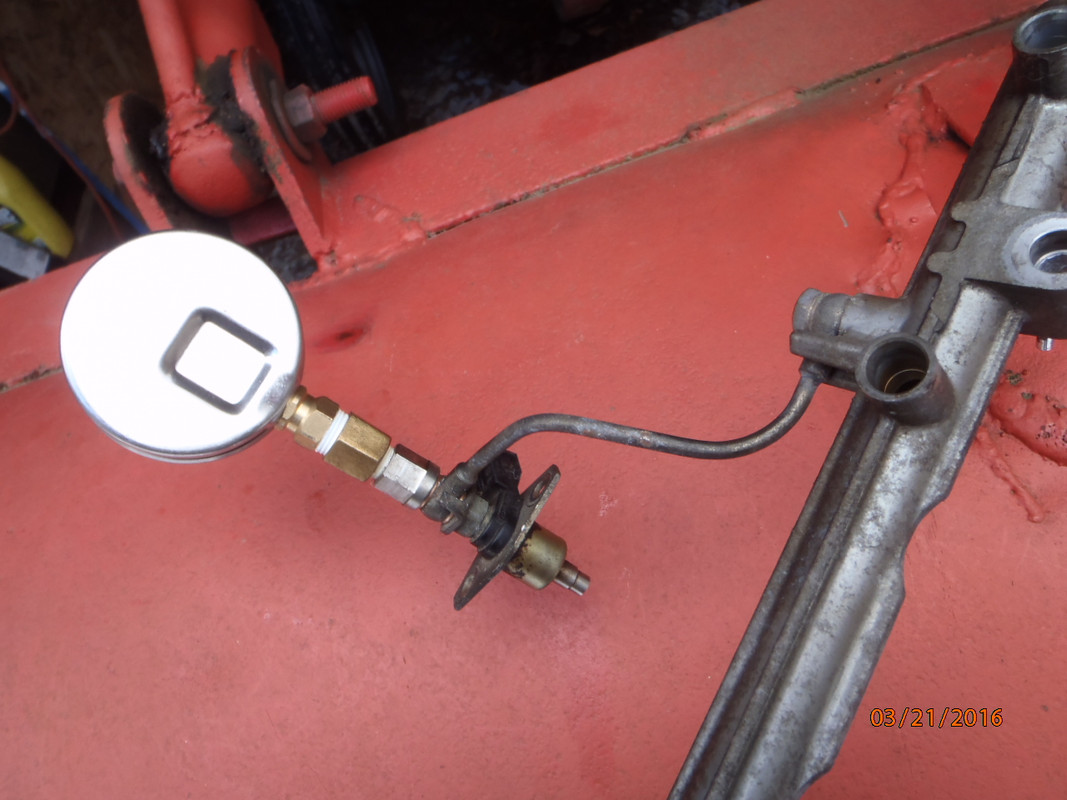
cracked the cold start line after it sat overnight - no pressure. checked for fuel in the pressure regulator vacuum line, but it was dry. pulled the CSI, but it wasn't leaking, and it worked fine, too. i found no other leaks anywhere, and the fuel pump worked fine (could spray a bunch of fuel with the jumper and the CSI line cracked).
decided it was likely to be the injectors. drove it one more day (had to), and on my ride home, the engine ran horribly, bucking and rough. clearly not running properly, as if on one or two cylinders instead of four.
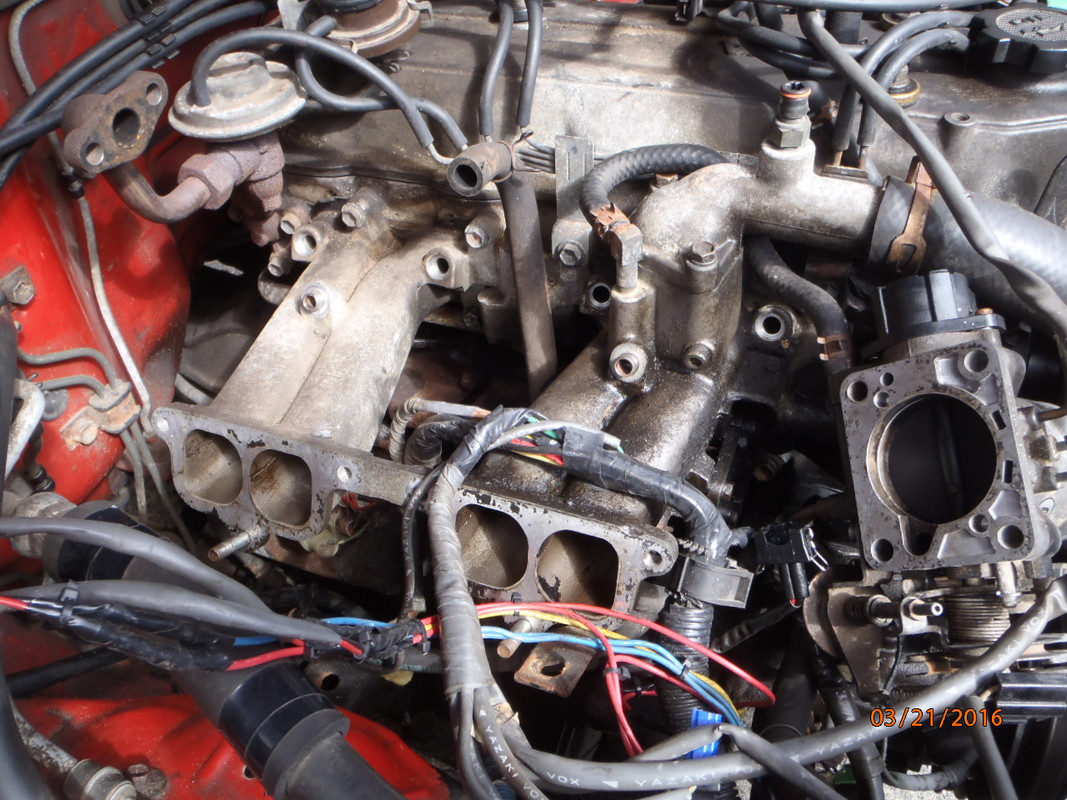
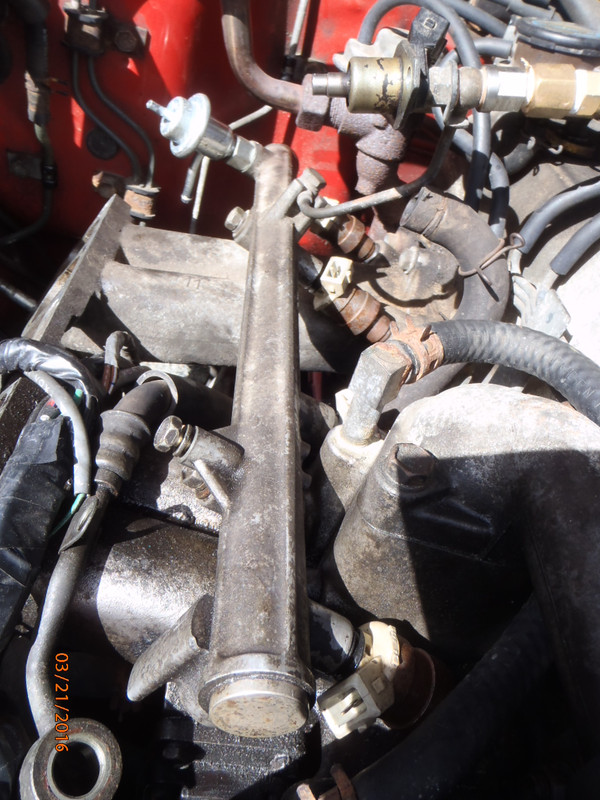
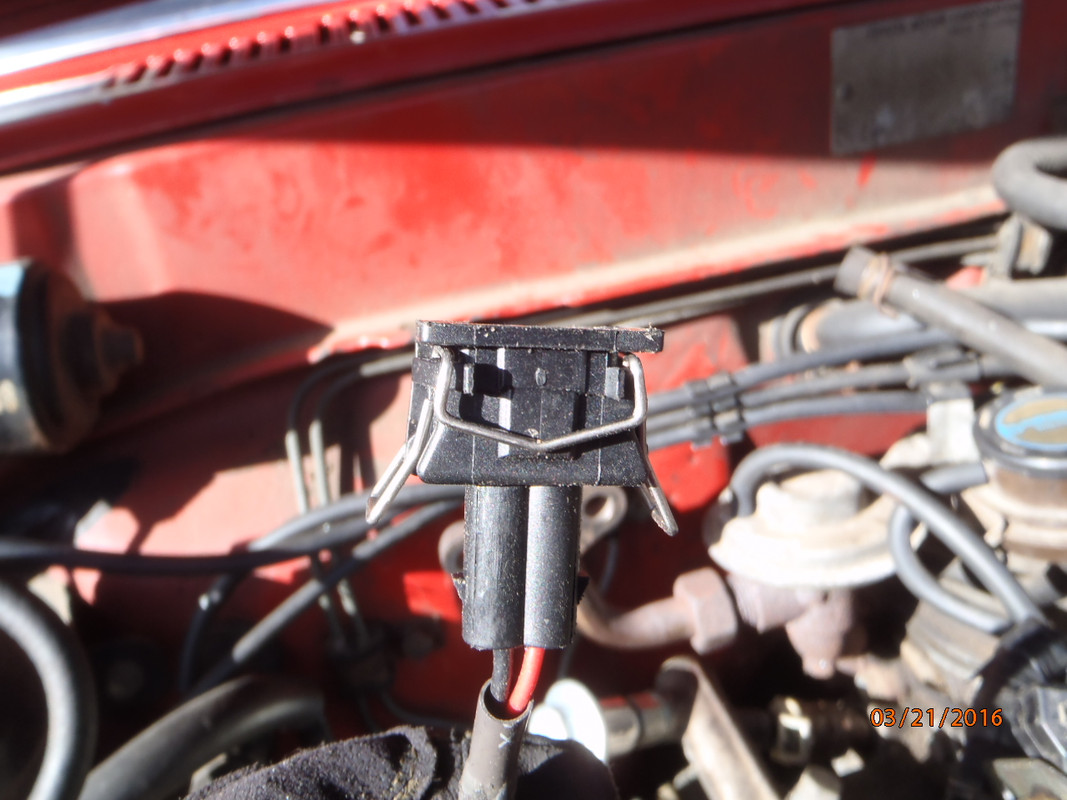
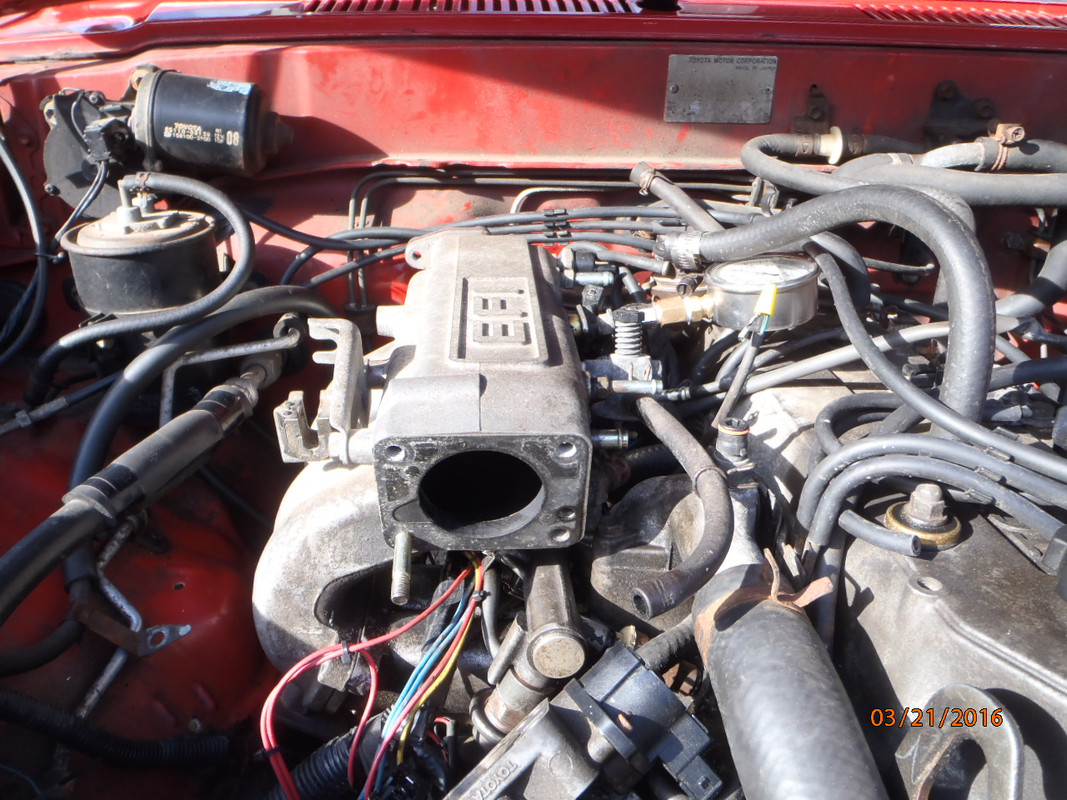
pulled off the plenum and everything else, removed the fuel rail with the injectors, and sent the injectors off to WitchHunter Performance in WA. I put them in the mail on wednesday, and just got them back today (very quick turnaround - a week plus a day). the report from WHP indicated that all four injectors were not functioning, all leaked, and all had the same resistance readings. no spray patterns, no static or pulsed flow (since none were working).
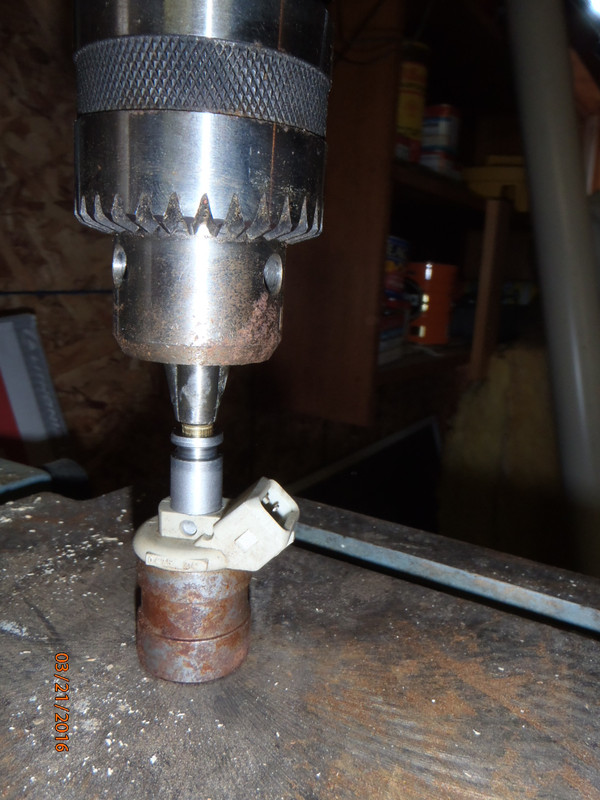
after cleaning/servicing, all four passed the leak test, have good spray pattern, and have flow rates within 3% of each other. all new gaskets, o-rings, tips, and they are clean.
i've got most of it reinstalled and ready to go, just need to tighten the spark plugs and also check for fuel leaks with the pump on.
i'm amazed it ran at all with the injectors as bad as they were.
update: got the plugs reinstalled, and used new copper gaskets for the fuel rail inlet/pulse damper (it was leaking after putting it back together - no leaks now).
fired up nicely, did not run horribly. ran as smoothly as it did for most of the summer and fall. overall, the replacement of the injectors was a relatively simple task, and wasn't too time-consuming. methodical removal and then installation, making sure wires and vacuum lines are routed correctly and plugged in is key. no leftover parts. i missed a single vacuum line connection when starting it up the first time (from the 4wd VSV to the plenum). i purchased a second set of copper washers for the fuel inlet/damper, in case i have to pull it again. a little bit of driving needed to see if any noticeable difference in "performance". up until the recent hard start, and very last bucking, it had been running very smoothly.